Italian civil-aviation unions confirmed on 25 February that ground staff, cabin crew and pilots at flag-carrier ITA Airways and low-cost giant easyJet will stage a 24-hour strike from 00:00 to 23:59 on Thursday, 26 February 2026. The walk-out also involves airport-handling workers and catering companies, raising the prospect of widespread cancellations and delays at Rome-Fiumicino, Milan-Linate/Malpensa, Naples and Venice.
Under Italian strike rules, carriers must operate “protected” flights during the morning (07:00–10:00) and evening (18:00–21:00) peaks as listed by the civil-aviation authority ENAC. ITA Airways has already cancelled more than 120 services, mainly domestic shuttles, and offered free rebooking or refunds. easyJet says it will try to consolidate operations on larger aircraft but warns that irregular rotations could spill into Friday.
Unions are demanding higher salaries in line with inflation and more predictable rostering as summer schedules add long-haul destinations. They also criticise chronic understaffing at security and immigration checkpoints, arguing that digital gate roll-outs have not kept pace with passenger growth.
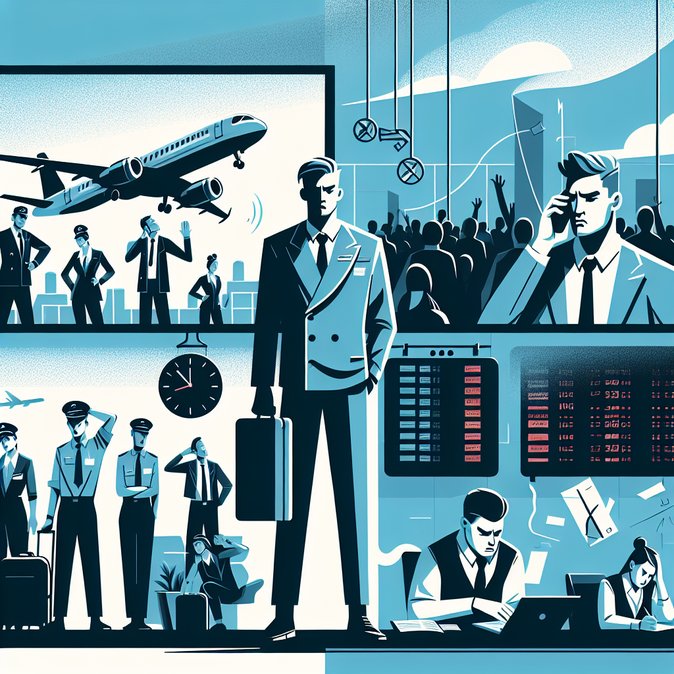
![Nationwide 24-hour strike to ground ITA Airways and easyJet flights on 26 February]()
For international travelers suddenly juggling re-routes and new stopovers, having the right paperwork in hand is essential. VisaHQ’s Italy page (https://www.visahq.com/italy/) can streamline Schengen visa checks, handle fast-track applications, and provide up-to-date entry guidance, letting passengers focus on changing flights instead of chasing consulates.
For corporate mobility managers the timing is awkward: Milan Fashion Week guests are departing and inbound exhibitors for the Bologna Book Fair are arriving. Travel teams are being advised to reroute through Zurich, Munich or Nice where feasible and to confirm hotel late-check-ins in case of overnight diversions.
The strike is the latest in a wave of transport unrest—rail workers and local metro drivers staged stoppages earlier in the month—and underscores residual labour tensions as Italy’s aviation sector rebuilds after pandemic-era restructuring.
Under Italian strike rules, carriers must operate “protected” flights during the morning (07:00–10:00) and evening (18:00–21:00) peaks as listed by the civil-aviation authority ENAC. ITA Airways has already cancelled more than 120 services, mainly domestic shuttles, and offered free rebooking or refunds. easyJet says it will try to consolidate operations on larger aircraft but warns that irregular rotations could spill into Friday.
Unions are demanding higher salaries in line with inflation and more predictable rostering as summer schedules add long-haul destinations. They also criticise chronic understaffing at security and immigration checkpoints, arguing that digital gate roll-outs have not kept pace with passenger growth.

For international travelers suddenly juggling re-routes and new stopovers, having the right paperwork in hand is essential. VisaHQ’s Italy page (https://www.visahq.com/italy/) can streamline Schengen visa checks, handle fast-track applications, and provide up-to-date entry guidance, letting passengers focus on changing flights instead of chasing consulates.
For corporate mobility managers the timing is awkward: Milan Fashion Week guests are departing and inbound exhibitors for the Bologna Book Fair are arriving. Travel teams are being advised to reroute through Zurich, Munich or Nice where feasible and to confirm hotel late-check-ins in case of overnight diversions.
The strike is the latest in a wave of transport unrest—rail workers and local metro drivers staged stoppages earlier in the month—and underscores residual labour tensions as Italy’s aviation sector rebuilds after pandemic-era restructuring.