Cyprus’s veterinary authorities began an emergency island-wide foot-and-mouth disease (FMD) vaccination campaign on 25 February after laboratory tests confirmed that the strain detected in government-controlled areas matches the serotype circulating in the island’s north since December. More than 529,000 EU-supplied doses are expected to arrive within days, supplementing an initial shipment of 10,000 vaccines transferred across the Green Line under UN supervision.
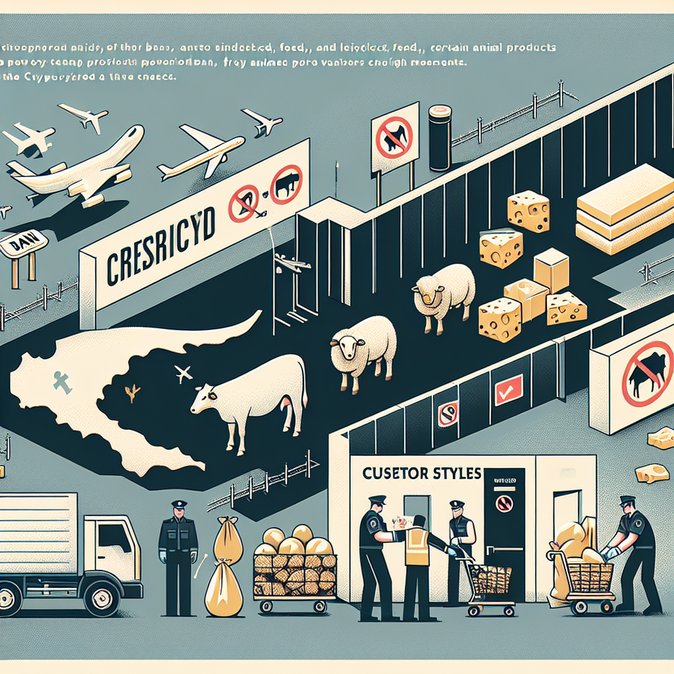
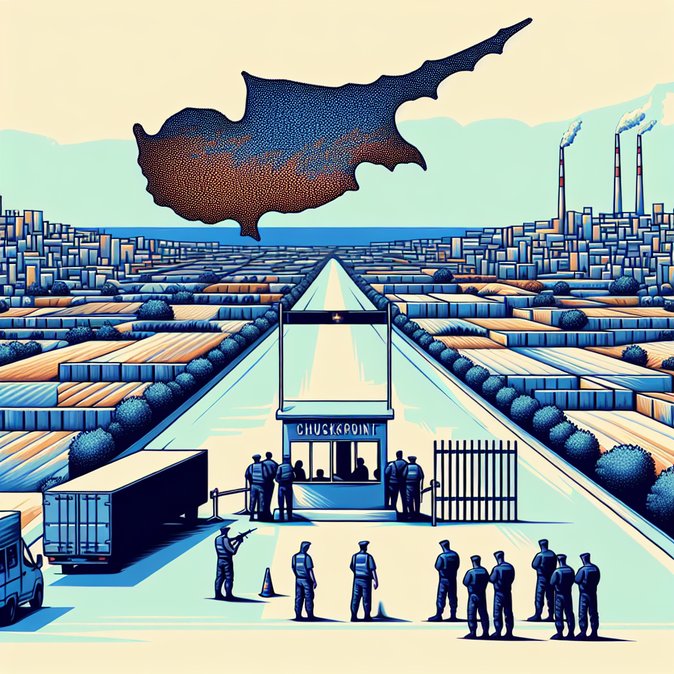
The agriculture ministry has simultaneously imposed a nationwide ban on moving cloven-hoofed animals, feed and untreated animal products without prior authorisation. Police checkpoints have been set up on major highways and around Larnaca district, where 11 farms are under quarantine and some 13,000 animals face culling. Vehicles leaving the exclusion zone are being disinfected, and mobile patrols are monitoring compliance at informal crossing points.
Although FMD poses no direct risk to humans, the restrictions have practical implications for travellers and expatriates. Passengers arriving at Larnaca and Paphos airports are prohibited from bringing fresh meat, dairy or unprocessed animal products into the country; customs officers have been instructed to step up inspections and levy on-the-spot fines. Residents planning household moves must obtain special licences before transporting pets such as pigs, goats or sheep between districts.
![Cyprus launches island-wide foot-and-mouth vaccination, bans movement of livestock and animal products]()
If you’re visiting or relocating to Cyprus and need clarity on how these bio-security measures intersect with entry rules, VisaHQ’s Cyprus portal (https://www.visahq.com/cyprus/) provides up-to-date guidance on visas, health certifications and customs regulations. Their team can streamline paperwork, secure any required permits online and help travellers navigate the new FMD restrictions with minimal disruption.
For companies in the agribusiness, logistics and hospitality sectors the outbreak threatens supply-chain delays and potential reputational damage if bio-security rules are breached. Firms with intra-island distribution routes are advised to switch to sealed, sanitised vehicles and to keep documentation proving commodity origin and health status readily available for roadside checks.
Cyprus had enjoyed FMD-free status since 2013; losing that status risks temporary export embargoes on halloumi cheese and other signature products unless the vaccination drive succeeds. The rapid cross-community co-operation on vaccine sharing, however, offers a rare example of pragmatic engagement between Greek and Turkish Cypriot authorities and could pave the way for broader crisis-management collaboration.
The agriculture ministry has simultaneously imposed a nationwide ban on moving cloven-hoofed animals, feed and untreated animal products without prior authorisation. Police checkpoints have been set up on major highways and around Larnaca district, where 11 farms are under quarantine and some 13,000 animals face culling. Vehicles leaving the exclusion zone are being disinfected, and mobile patrols are monitoring compliance at informal crossing points.
Although FMD poses no direct risk to humans, the restrictions have practical implications for travellers and expatriates. Passengers arriving at Larnaca and Paphos airports are prohibited from bringing fresh meat, dairy or unprocessed animal products into the country; customs officers have been instructed to step up inspections and levy on-the-spot fines. Residents planning household moves must obtain special licences before transporting pets such as pigs, goats or sheep between districts.
If you’re visiting or relocating to Cyprus and need clarity on how these bio-security measures intersect with entry rules, VisaHQ’s Cyprus portal (https://www.visahq.com/cyprus/) provides up-to-date guidance on visas, health certifications and customs regulations. Their team can streamline paperwork, secure any required permits online and help travellers navigate the new FMD restrictions with minimal disruption.
For companies in the agribusiness, logistics and hospitality sectors the outbreak threatens supply-chain delays and potential reputational damage if bio-security rules are breached. Firms with intra-island distribution routes are advised to switch to sealed, sanitised vehicles and to keep documentation proving commodity origin and health status readily available for roadside checks.
Cyprus had enjoyed FMD-free status since 2013; losing that status risks temporary export embargoes on halloumi cheese and other signature products unless the vaccination drive succeeds. The rapid cross-community co-operation on vaccine sharing, however, offers a rare example of pragmatic engagement between Greek and Turkish Cypriot authorities and could pave the way for broader crisis-management collaboration.