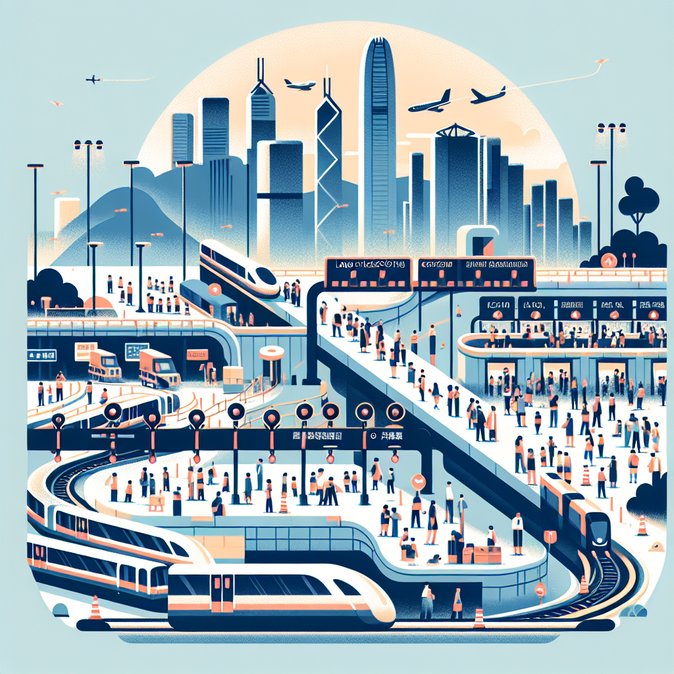
Queues snaked through the arrival halls of West Kowloon Station and Lo Wu control point on 22 February as 475,000 Hong Kong residents poured back into the city, capping the busiest return-travel day of the extended Lunar New Year break. Immigration Department figures show total arrivals hitting 694,000 that day, with residents accounting for nearly 70 percent.
Lo Wu alone processed 122,000 inbound travellers, underscoring its status as the city’s busiest pedestrian gateway despite calls to shift pressure toward newer crossings such as the Hong Kong-Shenzhen Western Rail Link once built. Shenzhen Bay and Lok Ma Chau each recorded just over 100,000 arrivals, while high-speed rail delivered 81,000 passengers into West Kowloon.
If you’re looking to dodge similar border bottlenecks on your next trip, VisaHQ can help. Their Hong Kong page (https://www.visahq.com/hong-kong/) lets travellers arrange visas, travel documents and passport services online, so paperwork is squared away long before you reach immigration—saving precious time when crowds surge.
![475,000 Hong Kong Residents Rush Home on Peak Post-Holiday Return Day]()
To manage the surge, immigration authorities opened all inspection counters, deployed mobile clearance booths and extended crowd-control barriers. Even so, real-time wait-time apps showed peak queues of up to 45 minutes at Lo Wu mid-afternoon.
Hoteliers reported a spike in same-day check-ins from residents returning mid-journey from the mainland, a behavioural shift credited to flexible work-from-home policies. Retail analysts said returning locals combined grocery restocking with last-minute gift buys, giving convenience-store chains an unexpected sales bump.
For employers, the compressed return window raised absenteeism risks as any travel snarls could have spilled into the first full work-week post-holiday. HR teams are advised to encourage staggered leave for next year’s break or leverage ‘work-from-anywhere’ periods to smooth future peaks.
Lo Wu alone processed 122,000 inbound travellers, underscoring its status as the city’s busiest pedestrian gateway despite calls to shift pressure toward newer crossings such as the Hong Kong-Shenzhen Western Rail Link once built. Shenzhen Bay and Lok Ma Chau each recorded just over 100,000 arrivals, while high-speed rail delivered 81,000 passengers into West Kowloon.
If you’re looking to dodge similar border bottlenecks on your next trip, VisaHQ can help. Their Hong Kong page (https://www.visahq.com/hong-kong/) lets travellers arrange visas, travel documents and passport services online, so paperwork is squared away long before you reach immigration—saving precious time when crowds surge.

To manage the surge, immigration authorities opened all inspection counters, deployed mobile clearance booths and extended crowd-control barriers. Even so, real-time wait-time apps showed peak queues of up to 45 minutes at Lo Wu mid-afternoon.
Hoteliers reported a spike in same-day check-ins from residents returning mid-journey from the mainland, a behavioural shift credited to flexible work-from-home policies. Retail analysts said returning locals combined grocery restocking with last-minute gift buys, giving convenience-store chains an unexpected sales bump.
For employers, the compressed return window raised absenteeism risks as any travel snarls could have spilled into the first full work-week post-holiday. HR teams are advised to encourage staggered leave for next year’s break or leverage ‘work-from-anywhere’ periods to smooth future peaks.