Germany Extends Land Border Checks Until at Least September 2026
Nation-wide Train-Driver Strike Paralyzes 80 % of Long-Distance Rail Services
Munich Security Conference Turns City Centre Into High-Security Zone, Disrupting Travel
Latest News
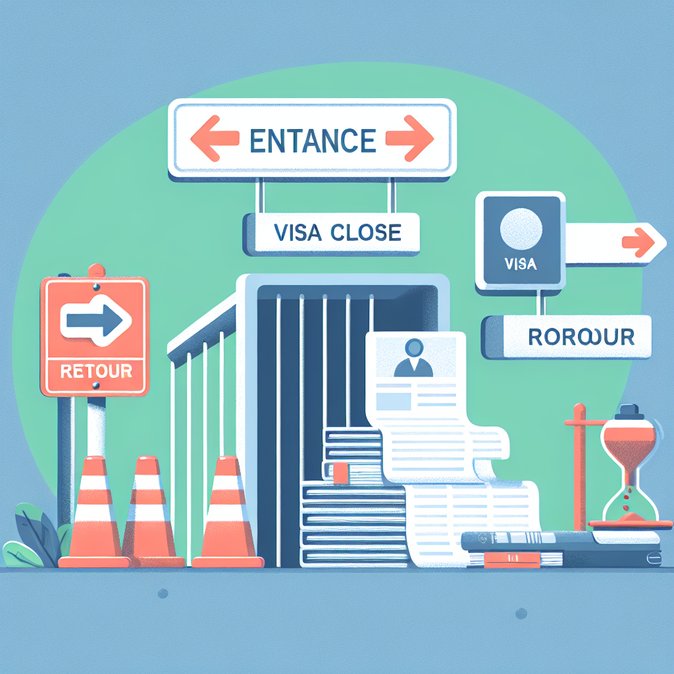
German Embassy in Tehran Suspends All Visa Services Amid Security Concerns
Germany has halted the acceptance of new visa applications in Tehran, citing security pressures on embassy staff. Only pending files will be handled, significantly slowing family-reunion, study and work-visa pipelines. German employers and mobility managers should prepare for lengthy rerouting and higher costs. The move underscores the exposure of corporate immigration programmes to geopolitical shocks.
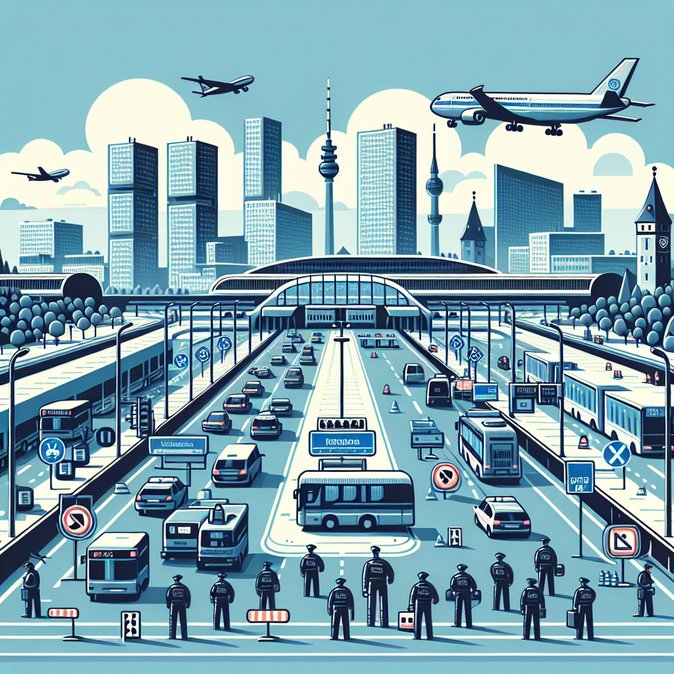
Munich Security Conference Turns City Centre Into ‘Fortress’—5,000 Police and Transport Restrictions for Delegates
Germany has deployed 5,000 police officers, imposed a city-centre no-fly zone and rerouted major roads and public transport for the Munich Security Conference. Delegates and ordinary travellers should expect airport-style checks, motorway closures and potential flight diversions through 16 February. The episode highlights how political summits can disrupt corporate travel and supply chains on short notice.

EU Unveils First-Ever Visa Strategy—Germany, France, Spain and Italy to Synchronise Digital Entry Systems
Brussels has launched a pan-EU Visa Strategy that will fully digitise Schengen visa processing and activate ETIAS pre-travel screening by 2026. Germany and its key tourism partners must align border IT systems and consular workflows, promising faster but more data-intensive travel procedures. Corporations should start mapping HR and booking systems to ETIAS/EES requirements.

Row in Saxony-Anhalt Over Whether Young Ukrainian Refugees Should Return Home
Saxony-Anhalt’s premier has called for young Ukrainian men in Germany to return home and aid reconstruction, drawing a swift rebuke from his own labour minister, who says their skills are vital to the local economy. The spat adds uncertainty to the status of roughly 1.2 million Ukrainians living and working in Germany under EU Temporary Protection.

German Cities Warn Cuts to Integration Courses Will Slow Labour Market Entry for Newcomers
The German Association of Cities says federal budget cuts that limit publicly funded integration courses to mandatory participants will undermine language acquisition and delay newcomers’ entry into the workforce. Municipalities fear higher welfare costs, while employers may need to cover private training to secure talent.