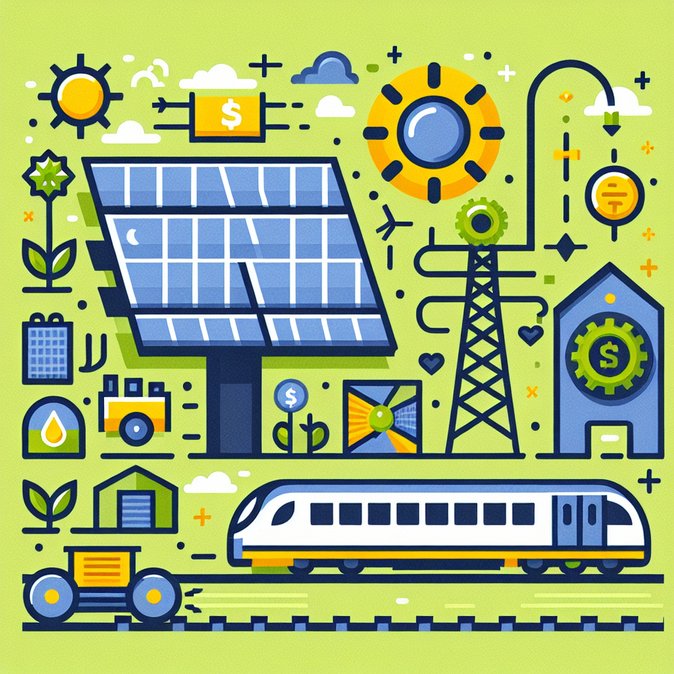
SNCF Énergie—the procurement arm of France’s state rail operator—signed a 25-year power-purchase agreement on 16 January 2026 with independent producer REDEN for the entire 20 GWh annual output of a new 16 MW solar farm in the Landes département.
Built on a reclaimed wood-storage site rendered unusable for forestry after Storm Klaus, the photovoltaic plant will feed green electricity directly into SNCF’s 25 kV traction grid from 2026, covering the equivalent of 15 million passenger-kilometres a year. Anti-glare modules were validated by the nearby Mont-de-Marsan air base, smoothing civil-military co-existence.
International teams planning site visits, sustainability audits or board meetings linked to projects like this can streamline their travel logistics through VisaHQ. The platform’s France portal (https://www.visahq.com/france/) offers fast, expert assistance with visa applications, letting energy executives and rail stakeholders focus on decarbonisation goals rather than paperwork.
![SNCF Énergie Locks In 25-Year Solar PPA to Power Low-Carbon Rail Traction]()
The deal is SNCF Énergie’s second long-term PPA in twelve months and advances the operator’s pledge to source 40 % of traction current from renewables by 2030. Beyond climate optics, locking in fixed-price solar generation hedges the rail group against volatile wholesale markets that spiked during the 2025 gas crunch.
Corporate mobility managers stand to gain: lower-cost, low-carbon electricity underpins SNCF’s new ‘EcoRail’ fare class marketed to sustainability-minded firms. Multinationals using the French rail network to shift short-haul travel from air to rail can now quantify additional Scope 3 CO₂ savings, a growing requirement under CSRD reporting rules.
REDEN, for its part, secures a bankable offtaker that supports project financing and demonstrates the commercial viability of utility-scale solar on degraded land—an increasingly scarce resource in densely populated western France.
Built on a reclaimed wood-storage site rendered unusable for forestry after Storm Klaus, the photovoltaic plant will feed green electricity directly into SNCF’s 25 kV traction grid from 2026, covering the equivalent of 15 million passenger-kilometres a year. Anti-glare modules were validated by the nearby Mont-de-Marsan air base, smoothing civil-military co-existence.
International teams planning site visits, sustainability audits or board meetings linked to projects like this can streamline their travel logistics through VisaHQ. The platform’s France portal (https://www.visahq.com/france/) offers fast, expert assistance with visa applications, letting energy executives and rail stakeholders focus on decarbonisation goals rather than paperwork.
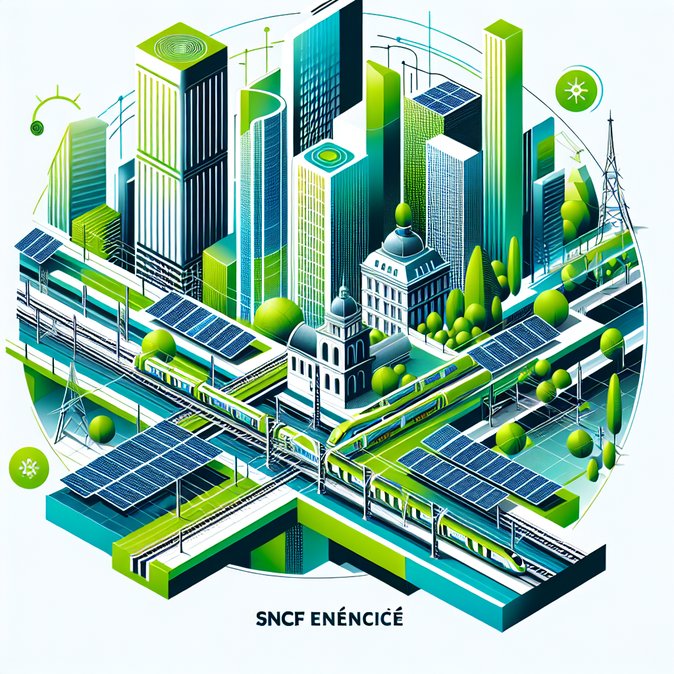
The deal is SNCF Énergie’s second long-term PPA in twelve months and advances the operator’s pledge to source 40 % of traction current from renewables by 2030. Beyond climate optics, locking in fixed-price solar generation hedges the rail group against volatile wholesale markets that spiked during the 2025 gas crunch.
Corporate mobility managers stand to gain: lower-cost, low-carbon electricity underpins SNCF’s new ‘EcoRail’ fare class marketed to sustainability-minded firms. Multinationals using the French rail network to shift short-haul travel from air to rail can now quantify additional Scope 3 CO₂ savings, a growing requirement under CSRD reporting rules.
REDEN, for its part, secures a bankable offtaker that supports project financing and demonstrates the commercial viability of utility-scale solar on degraded land—an increasingly scarce resource in densely populated western France.