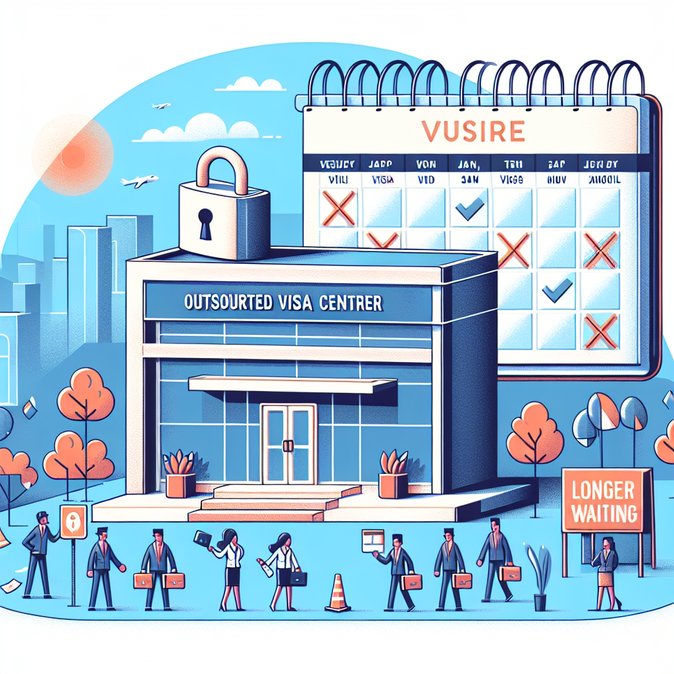
TLScontact has issued a closure notice for the German Visa Application Centre in Kampala, stating that no Schengen or national-visa appointments will be processed from 14 to 16 January due to Uganda’s general elections and associated security measures. The centre is scheduled to reopen on Monday, 19 January, but rescheduling capacity remains limited.
Applicants with slots during the blackout have been instructed to await automatic e-mail rescheduling; walk-ins will not be accommodated. The German Embassy confirmed that biometric data previously captured will remain valid for 59 months, so repeat fingerprinting will not be required once new dates are allocated.
For travelers scrambling for alternative solutions, VisaHQ’s dedicated Germany page (https://www.visahq.com/germany/) offers real-time visa requirement checks, document-preparation tips, and notification services for newly released appointment slots—valuable aids when official scheduling windows tighten unexpectedly.
![Uganda election closes Kampala German-visa centre until 16 January]()
Corporate mobility managers moving staff from Uganda to Germany have been advised to anticipate at least a two-week slide in decision timelines, as embassy visa officers will prioritise humanitarian and medical-emergency cases first. Students targeting the summer semester also face tighter margins, although the embassy said national-visa capacity would be increased in February when student files migrate fully to TLScontact.
Travellers already holding issued visas are unaffected, but the embassy warns that election-day movement restrictions in Kampala could still hinder airport transfers; contingency overnight stays near Entebbe are recommended.
The episode highlights the vulnerability of outsourced visa operations to local political events and the importance of buffer time in assignment planning.
Applicants with slots during the blackout have been instructed to await automatic e-mail rescheduling; walk-ins will not be accommodated. The German Embassy confirmed that biometric data previously captured will remain valid for 59 months, so repeat fingerprinting will not be required once new dates are allocated.
For travelers scrambling for alternative solutions, VisaHQ’s dedicated Germany page (https://www.visahq.com/germany/) offers real-time visa requirement checks, document-preparation tips, and notification services for newly released appointment slots—valuable aids when official scheduling windows tighten unexpectedly.

Corporate mobility managers moving staff from Uganda to Germany have been advised to anticipate at least a two-week slide in decision timelines, as embassy visa officers will prioritise humanitarian and medical-emergency cases first. Students targeting the summer semester also face tighter margins, although the embassy said national-visa capacity would be increased in February when student files migrate fully to TLScontact.
Travellers already holding issued visas are unaffected, but the embassy warns that election-day movement restrictions in Kampala could still hinder airport transfers; contingency overnight stays near Entebbe are recommended.
The episode highlights the vulnerability of outsourced visa operations to local political events and the importance of buffer time in assignment planning.