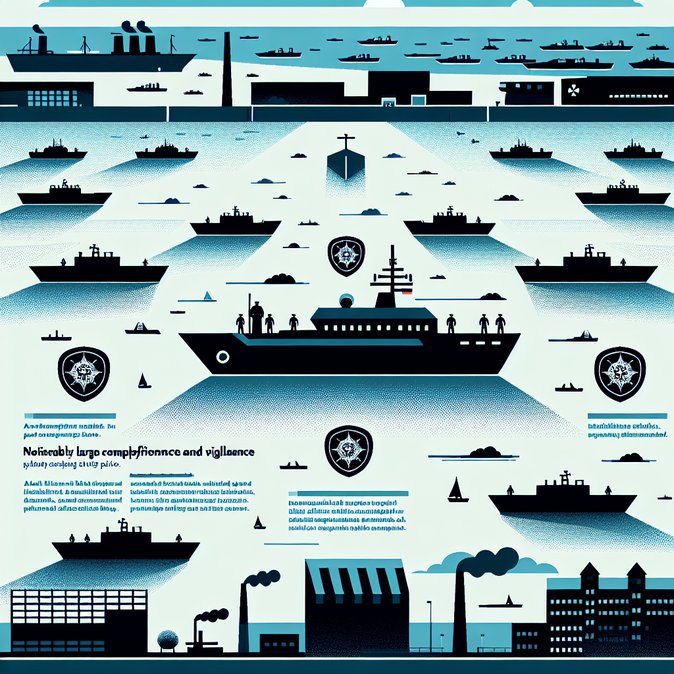
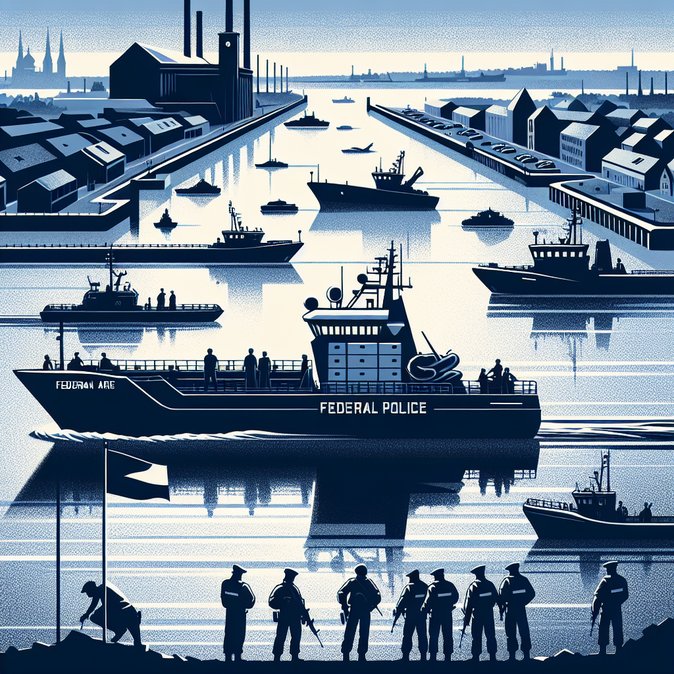
The German Federal Police (Bundespolizei) confirmed on 16 January that additional cutters and boarding teams have been deployed in the Baltic Sea to monitor shipping traffic, following intelligence reports about Russian tankers operating under false flags or manipulated AIS transponders. While officials declined operational details, maritime-security analysts say the move effectively extends Germany’s Schengen-internal border checks to its exclusive economic zone.
The shadow-fleet tankers are suspected of circumventing EU oil-price-cap sanctions by ship-to-ship transfers in international waters. German patrols are focusing on verifying identity documents of crew and logging port-call records that could support future sanctions enforcement. No vessels have been seized so far, but several were instructed to alter course or provide additional documentation before entering German ports.
Supply-chain managers for German refineries and chemical plants have been advised to check bills of lading for compliance, as cargoes linked to unverified tankers could be denied entry. Insurance brokers warn that policies may not cover delays arising from border-police inspections—even though no passport stamps are issued—because the stoppages fall under “government action” exclusions.
![German Federal Police intensify Baltic Sea patrols amid ‘shadow-fleet’ concerns]()
Amid these uncertainties, VisaHQ (https://www.visahq.com/germany/) can assist shipping companies, crew members, and travelling technicians in obtaining the correct German visas and supporting documents swiftly, ensuring compliance with evolving Schengen requirements and minimizing costly port delays.
For global-mobility programmes the immediate impact is on crews and technical-service engineers who join vessels in German ports: they may face spot ID checks and should carry full contract documentation and visas. The Bundespolizei reiterated that regular passenger ferries between Rostock, Travemünde and the Nordic capitals remain unaffected, but advised travellers to allow extra time for potential spot checks.
The enhanced maritime surveillance underscores how geopolitical tensions can translate into ad-hoc border controls, even within the ostensibly border-free Schengen area.
The shadow-fleet tankers are suspected of circumventing EU oil-price-cap sanctions by ship-to-ship transfers in international waters. German patrols are focusing on verifying identity documents of crew and logging port-call records that could support future sanctions enforcement. No vessels have been seized so far, but several were instructed to alter course or provide additional documentation before entering German ports.
Supply-chain managers for German refineries and chemical plants have been advised to check bills of lading for compliance, as cargoes linked to unverified tankers could be denied entry. Insurance brokers warn that policies may not cover delays arising from border-police inspections—even though no passport stamps are issued—because the stoppages fall under “government action” exclusions.
Amid these uncertainties, VisaHQ (https://www.visahq.com/germany/) can assist shipping companies, crew members, and travelling technicians in obtaining the correct German visas and supporting documents swiftly, ensuring compliance with evolving Schengen requirements and minimizing costly port delays.
For global-mobility programmes the immediate impact is on crews and technical-service engineers who join vessels in German ports: they may face spot ID checks and should carry full contract documentation and visas. The Bundespolizei reiterated that regular passenger ferries between Rostock, Travemünde and the Nordic capitals remain unaffected, but advised travellers to allow extra time for potential spot checks.
The enhanced maritime surveillance underscores how geopolitical tensions can translate into ad-hoc border controls, even within the ostensibly border-free Schengen area.