Henley & Partners has released its 2026 Passport Index, and Hong Kong Special Administrative Region passport holders retain 18th place with visa-free or visa-on-arrival access to 174 jurisdictions—unchanged from last year. While respectable, Hong Kong’s rank has slipped six places since 2014 as Southeast-Asian neighbours negotiated more bilateral waivers. Singapore again tops the table with 192 destinations, underscoring a widening mobility gap in the region.(visahq.com)
For corporate mobility teams, passport power equates to hard savings: every additional visa-free country removes fees for invitation letters, notarisation and couriers that can add HK $1,000–2,000 per trip. HR departments are therefore urged to track incremental improvements and remind executives to use facilitative tools such as the APEC Business Travel Card where available.(visahq.com)
![2026 Henley Passport Index: Hong Kong holds 18th place with 174 visa-free destinations]()
VisaHQ’s Hong Kong portal (https://www.visahq.com/hong-kong/) can be a force multiplier for those same HR and mobility teams, allowing them to check the latest entry rules and obtain any required visas in a single online workflow. By mapping the 174 visa-exempt destinations alongside jurisdictions that still demand paperwork, the service translates index rankings into actionable travel plans—helping organizations trim the administrative costs and delays highlighted above.
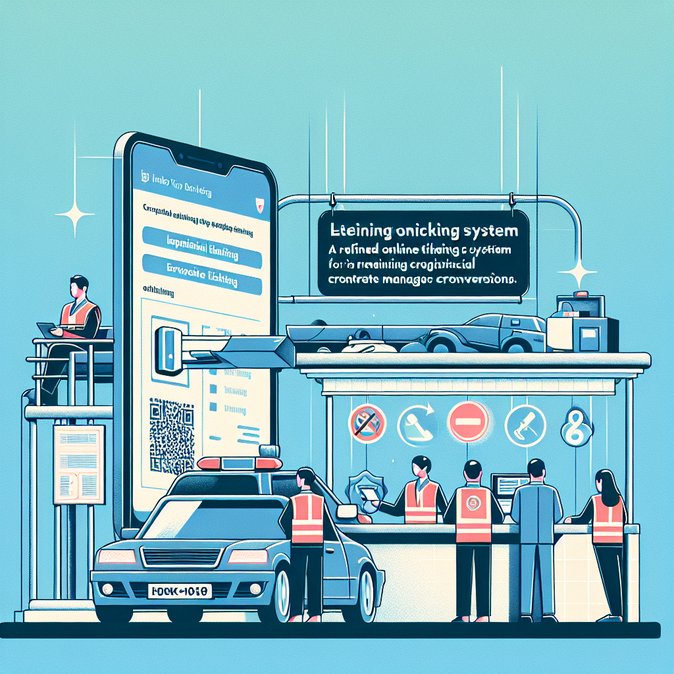
The report highlights a parallel trend toward digital identity. Henley chairman Christian Kaelin argues that technology can reconcile secure borders with frictionless travel—a view mirrored by Hong Kong’s rollout of QR-code e-Channel clearance for visitors as young as seven. Mobility managers should budget for growing demand to integrate digital wallets with travel-booking platforms.(visahq.com)
Beyond headline rankings, the study urges companies to examine sub-indices on taxation and quality-of-nationality, which affect longer-term assignment planning. Financial-services firms in particular weigh personal-tax exposure when deploying senior expatriates, making small shifts in visa reciprocity more influential than raw passport score alone.(visahq.com)
For corporate mobility teams, passport power equates to hard savings: every additional visa-free country removes fees for invitation letters, notarisation and couriers that can add HK $1,000–2,000 per trip. HR departments are therefore urged to track incremental improvements and remind executives to use facilitative tools such as the APEC Business Travel Card where available.(visahq.com)
VisaHQ’s Hong Kong portal (https://www.visahq.com/hong-kong/) can be a force multiplier for those same HR and mobility teams, allowing them to check the latest entry rules and obtain any required visas in a single online workflow. By mapping the 174 visa-exempt destinations alongside jurisdictions that still demand paperwork, the service translates index rankings into actionable travel plans—helping organizations trim the administrative costs and delays highlighted above.
The report highlights a parallel trend toward digital identity. Henley chairman Christian Kaelin argues that technology can reconcile secure borders with frictionless travel—a view mirrored by Hong Kong’s rollout of QR-code e-Channel clearance for visitors as young as seven. Mobility managers should budget for growing demand to integrate digital wallets with travel-booking platforms.(visahq.com)
Beyond headline rankings, the study urges companies to examine sub-indices on taxation and quality-of-nationality, which affect longer-term assignment planning. Financial-services firms in particular weigh personal-tax exposure when deploying senior expatriates, making small shifts in visa reciprocity more influential than raw passport score alone.(visahq.com)