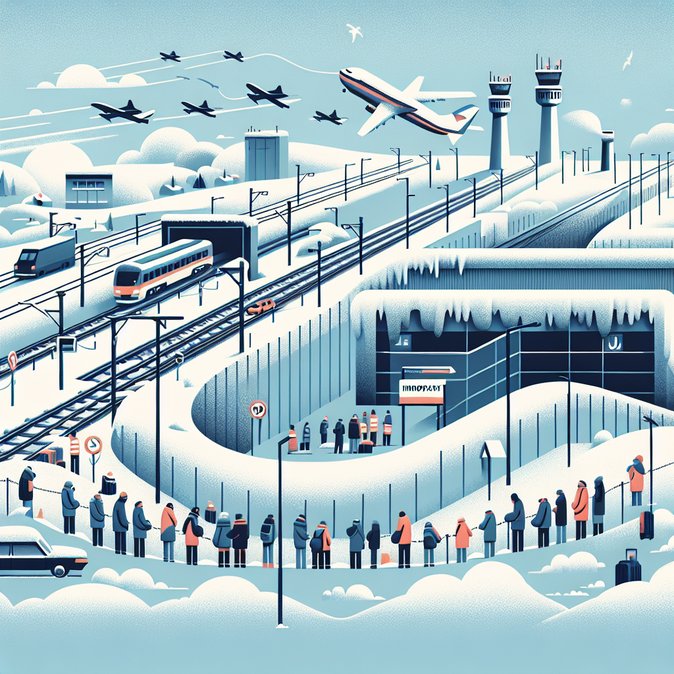
A sudden bout of freezing rain that began overnight on 12 January glazed roads, rail catenaries and airport tarmac across Czechia in a matter of hours. By dawn on 13 January, the Czech Hydrometeorological Institute had issued its highest ice alert for much of Bohemia and Moravia. Prague Integrated Transport (PID) suspended or curtailed more than a dozen bus and trolleybus lines, while Czech Railways reported traction-line icing at its Prague-South depot, forcing controllers to short-turn or cancel multiple regional services.
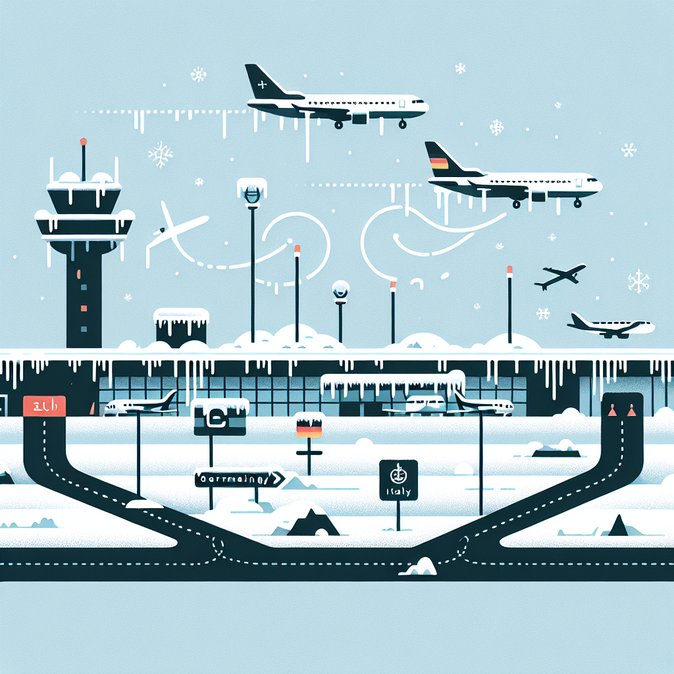
Aviation was hit just as hard. Václav Havel Airport Prague declared a “very limited mode” shortly after 07:00, restricting arrivals so that de-icing crews could treat the main runway, taxiways and stands. The measure caused cascading delays on business-critical routes to Frankfurt, Paris and Warsaw, prompting travel managers to scramble for re-booking options and remote-work contingencies. Airport spokespeople warned that queues at immigration could build rapidly if diverted flights were rerouted back to Prague once conditions improved.
![Ice blanket shuts down Czech transport; officials urge public to ‘stay home’]()
Inside the capital, emergency services dealt with dozens of road accidents as black ice coated bridges and tram rails. Municipal authorities deployed extra gritters but conceded that refreezing would remain a risk until air temperatures edged above zero. Police asked residents to avoid non-essential journeys and to carry snacks, medication and phone power-banks if they had to venture out.
In situations like these, when flight cancellations or reroutings threaten to push travelers beyond their permitted stay, VisaHQ can quickly organise emergency Schengen extensions, arrange supporting letters from airlines and submit same-day courier applications to the Interior Ministry. Their dedicated Czech Republic portal (https://www.visahq.com/czech-republic/) lists fast-track tourist, business and work options, and multilingual agents are on call to make sure weather doesn’t snowball into a paperwork crisis.
The ice episode is the second severe weather shock to Czech mobility networks in as many days, following last weekend’s snowstorm. Corporate mobility teams are reassessing winter-weather escalation plans, reminding expatriates that Schengen-area overstays caused by flight cancellations still require proactive communication with the Interior Ministry’s Foreign Police. Employers with globally mobile staff are advised to check workers’ 90-day allowances and prepare extension requests in case further weather-related backlogs emerge.
Aviation was hit just as hard. Václav Havel Airport Prague declared a “very limited mode” shortly after 07:00, restricting arrivals so that de-icing crews could treat the main runway, taxiways and stands. The measure caused cascading delays on business-critical routes to Frankfurt, Paris and Warsaw, prompting travel managers to scramble for re-booking options and remote-work contingencies. Airport spokespeople warned that queues at immigration could build rapidly if diverted flights were rerouted back to Prague once conditions improved.

Inside the capital, emergency services dealt with dozens of road accidents as black ice coated bridges and tram rails. Municipal authorities deployed extra gritters but conceded that refreezing would remain a risk until air temperatures edged above zero. Police asked residents to avoid non-essential journeys and to carry snacks, medication and phone power-banks if they had to venture out.
In situations like these, when flight cancellations or reroutings threaten to push travelers beyond their permitted stay, VisaHQ can quickly organise emergency Schengen extensions, arrange supporting letters from airlines and submit same-day courier applications to the Interior Ministry. Their dedicated Czech Republic portal (https://www.visahq.com/czech-republic/) lists fast-track tourist, business and work options, and multilingual agents are on call to make sure weather doesn’t snowball into a paperwork crisis.
The ice episode is the second severe weather shock to Czech mobility networks in as many days, following last weekend’s snowstorm. Corporate mobility teams are reassessing winter-weather escalation plans, reminding expatriates that Schengen-area overstays caused by flight cancellations still require proactive communication with the Interior Ministry’s Foreign Police. Employers with globally mobile staff are advised to check workers’ 90-day allowances and prepare extension requests in case further weather-related backlogs emerge.