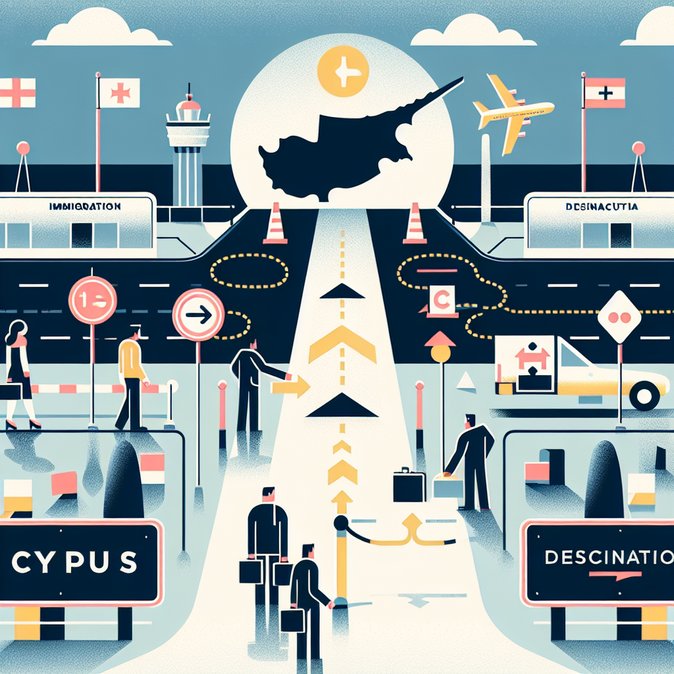
Cyprus’ deputy ministry of immigration on 13 January unveiled an €8.385 million scheme designed to streamline and expand assisted voluntary returns for third-country nationals who choose to go back to their countries of origin. The 18-month project, financed through the EU Asylum, Migration and Integration Fund (AMIF), runs from July 2025 to December 2026 and forms a centrepiece of Nicosia’s wider strategy to manage migration pressures.(cyprus-mail.com)
Officials say the programme will upgrade counselling, documentation and ticketing support, while funding reintegration grants and post-return monitoring to ensure departures are sustainable. It will also reinforce cooperation with consular authorities and airline partners to cut processing times that often strand migrants in Cyprus for months.
For individuals and employers trying to keep pace with Cyprus’ shifting immigration landscape, services such as VisaHQ can be a useful ally. The platform offers step-by-step guidance on Cyprus visa categories, document preparation and courier submission, helping travellers, companies and even returnees organise paperwork swiftly and accurately (https://www.visahq.com/cyprus/).
![Cyprus Launches €8.38 Million EU-Funded Programme to Boost Voluntary Returns of Migrants]()
The island hosts the highest per-capita number of asylum seekers in the EU and has repeatedly called for greater burden-sharing. By scaling up voluntary departures, Cyprus hopes to ease overcrowding in reception centres, free resources for genuine refugees and signal a “humane but effective” stance ahead of key EU negotiations on the Pact on Migration and Asylum during its Council presidency.
NGOs cautiously welcomed the initiative but urged authorities to guarantee that returns remain strictly voluntary and that applicants receive impartial legal advice. Employers’ groups, meanwhile, expressed concern that accelerating exits could tighten the low-skilled labour market unless work-permit issuance is adjusted in parallel.
For global mobility managers, the project could shorten timelines for staff dependants whose asylum claims are withdrawn and reduce compliance risks for companies inadvertently employing migrants whose legal status is unclear. The deputy ministry will publish detailed procedures and contact points later this month.
Officials say the programme will upgrade counselling, documentation and ticketing support, while funding reintegration grants and post-return monitoring to ensure departures are sustainable. It will also reinforce cooperation with consular authorities and airline partners to cut processing times that often strand migrants in Cyprus for months.
For individuals and employers trying to keep pace with Cyprus’ shifting immigration landscape, services such as VisaHQ can be a useful ally. The platform offers step-by-step guidance on Cyprus visa categories, document preparation and courier submission, helping travellers, companies and even returnees organise paperwork swiftly and accurately (https://www.visahq.com/cyprus/).

The island hosts the highest per-capita number of asylum seekers in the EU and has repeatedly called for greater burden-sharing. By scaling up voluntary departures, Cyprus hopes to ease overcrowding in reception centres, free resources for genuine refugees and signal a “humane but effective” stance ahead of key EU negotiations on the Pact on Migration and Asylum during its Council presidency.
NGOs cautiously welcomed the initiative but urged authorities to guarantee that returns remain strictly voluntary and that applicants receive impartial legal advice. Employers’ groups, meanwhile, expressed concern that accelerating exits could tighten the low-skilled labour market unless work-permit issuance is adjusted in parallel.
For global mobility managers, the project could shorten timelines for staff dependants whose asylum claims are withdrawn and reduce compliance risks for companies inadvertently employing migrants whose legal status is unclear. The deputy ministry will publish detailed procedures and contact points later this month.
More From Cyprus
View all
Four-Hour Taxi Strike at Larnaca Airport Signals Escalating Showdown Over Ride-Hailing Apps
Henley Passport Index 2026: Cypriot Passport Retains 14th Place With Visa-Free Access to 174 Destinations