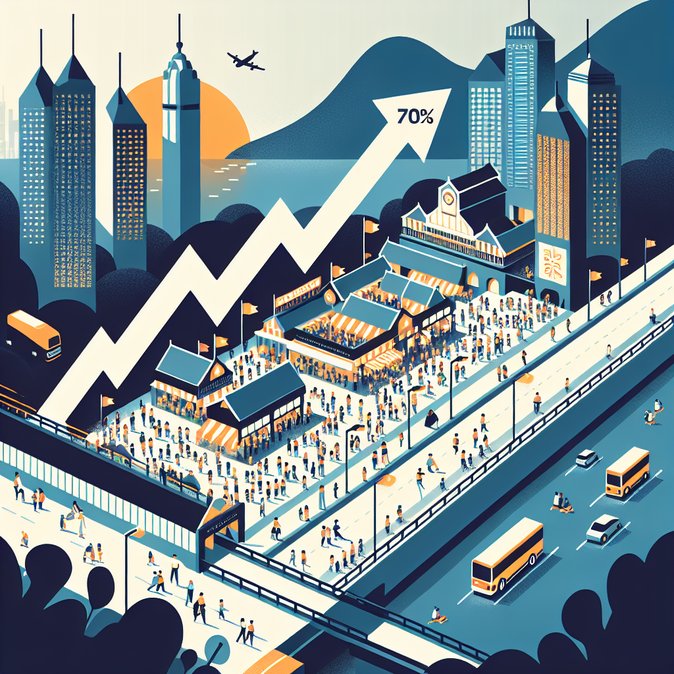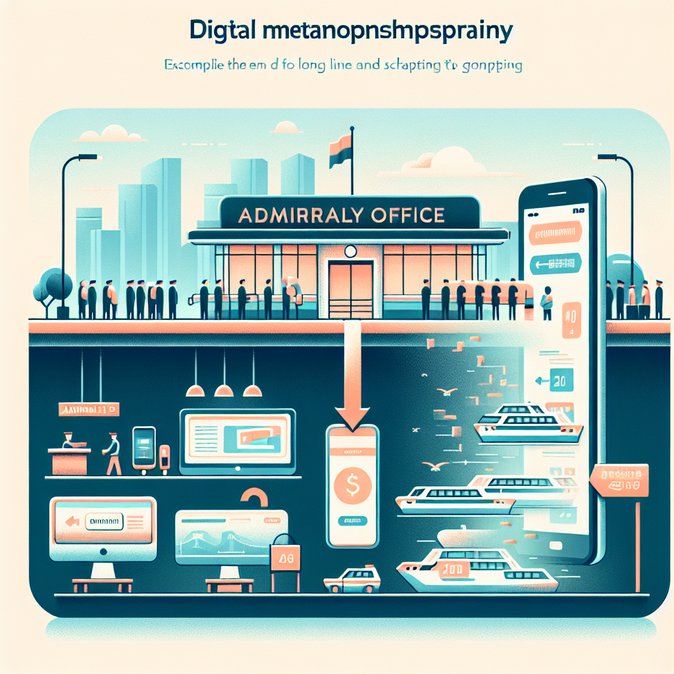
Months of chaotic overnight queuing outside the Transport Department’s Admiralty licensing office ended abruptly on 12 January when the department migrated its same-day ticketing system for test-free driving-licence applications to an online queue. More than 1 000 would-be applicants logged on at 07:00, and all 300 daily slots disappeared within 32 minutes, according to department figures.
Demand for direct-issue licences—available to holders of more than 30 foreign permits—has surged since last year’s launch of the Southbound Travel for Guangdong Vehicles scheme, which lets Hong Kong residents drive across the Hong Kong-Zhuhai-Macao Bridge into mainland cities without the traditional quota. The spike spawned a cottage industry of “professional queuers” who charged up to HK $1 000 to hold a place in line, prompting accusations of unfair access and safety concerns as applicants camped on city pavements overnight.
Amid this surge in paperwork, VisaHQ’s Hong Kong team (https://www.visahq.com/hong-kong/) can streamline the process for both individual motorists and corporate fleets. The agency, long known for arranging China visas and other cross-border permits, now offers document checking, appointment scheduling and insurance-liaison services tailored to Southbound Travel licence conversions—saving applicants from the 07:00 scramble.
![Digital queue replaces overnight lines for test-free Hong Kong driving licences]()
Under the new system, applicants receive an SMS with a specific counter time‐slot and must present original documents within that window or forfeit their place. Transport officials say the change is an interim fix ahead of a full e-application platform, slated for March, that will allow uploads of foreign-licence scans and digital payment of the HK $900 issuance fee.
For mobility managers, the reform is welcome but not yet fool-proof. Corporations sponsoring cross-border company-car schemes must still juggle licence conversions, vehicle inspections, Guangdong insurance and mainland ICP bookings—a process involving at least three government portals. Industry groups are therefore calling for a ‘single-window’ interface modelled on the Immigration Department’s e-Visa portal.
Longer term, policymakers hope that digitisation will support the wider Greater Bay Area integration agenda by speeding up administrative steps for Hong Kong residents who regularly shuttle between offices and production sites across the border. Early feedback from HR heads indicates that reduced queuing time is already translating into fewer lost work hours for mainland-focused staff.
Demand for direct-issue licences—available to holders of more than 30 foreign permits—has surged since last year’s launch of the Southbound Travel for Guangdong Vehicles scheme, which lets Hong Kong residents drive across the Hong Kong-Zhuhai-Macao Bridge into mainland cities without the traditional quota. The spike spawned a cottage industry of “professional queuers” who charged up to HK $1 000 to hold a place in line, prompting accusations of unfair access and safety concerns as applicants camped on city pavements overnight.
Amid this surge in paperwork, VisaHQ’s Hong Kong team (https://www.visahq.com/hong-kong/) can streamline the process for both individual motorists and corporate fleets. The agency, long known for arranging China visas and other cross-border permits, now offers document checking, appointment scheduling and insurance-liaison services tailored to Southbound Travel licence conversions—saving applicants from the 07:00 scramble.
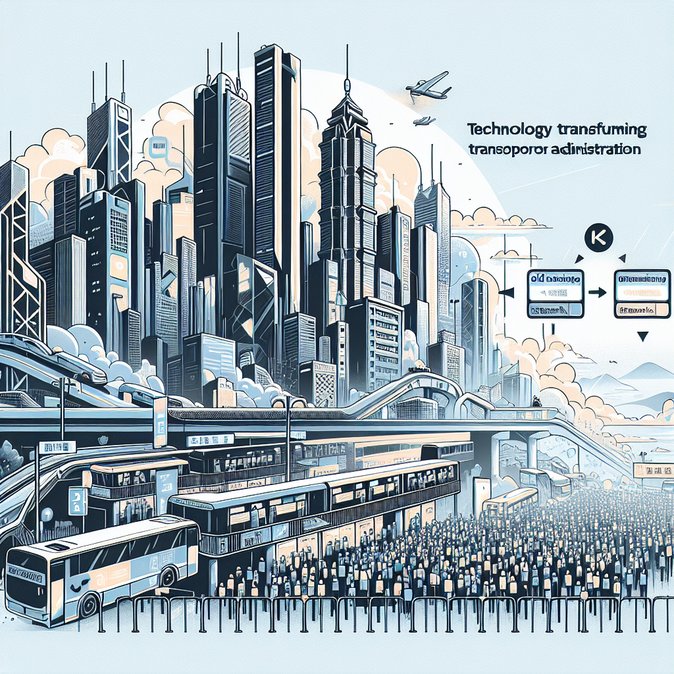
Under the new system, applicants receive an SMS with a specific counter time‐slot and must present original documents within that window or forfeit their place. Transport officials say the change is an interim fix ahead of a full e-application platform, slated for March, that will allow uploads of foreign-licence scans and digital payment of the HK $900 issuance fee.
For mobility managers, the reform is welcome but not yet fool-proof. Corporations sponsoring cross-border company-car schemes must still juggle licence conversions, vehicle inspections, Guangdong insurance and mainland ICP bookings—a process involving at least three government portals. Industry groups are therefore calling for a ‘single-window’ interface modelled on the Immigration Department’s e-Visa portal.
Longer term, policymakers hope that digitisation will support the wider Greater Bay Area integration agenda by speeding up administrative steps for Hong Kong residents who regularly shuttle between offices and production sites across the border. Early feedback from HR heads indicates that reduced queuing time is already translating into fewer lost work hours for mainland-focused staff.