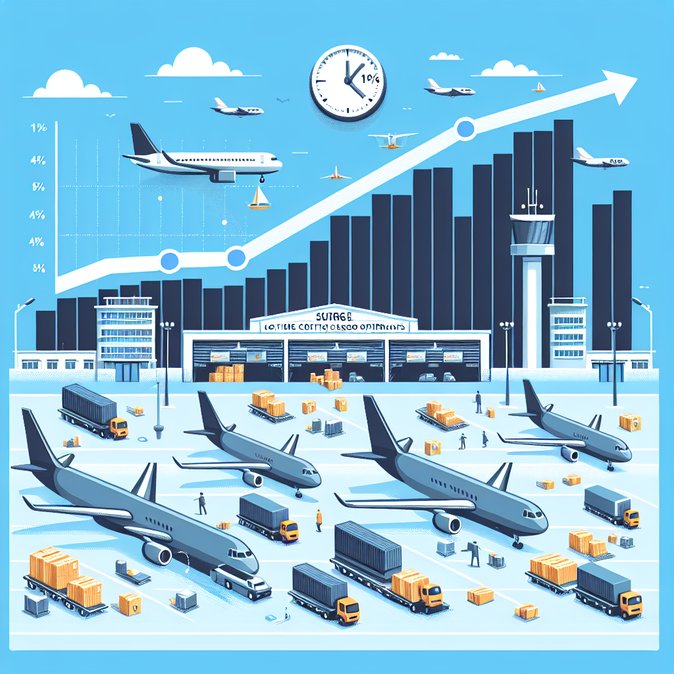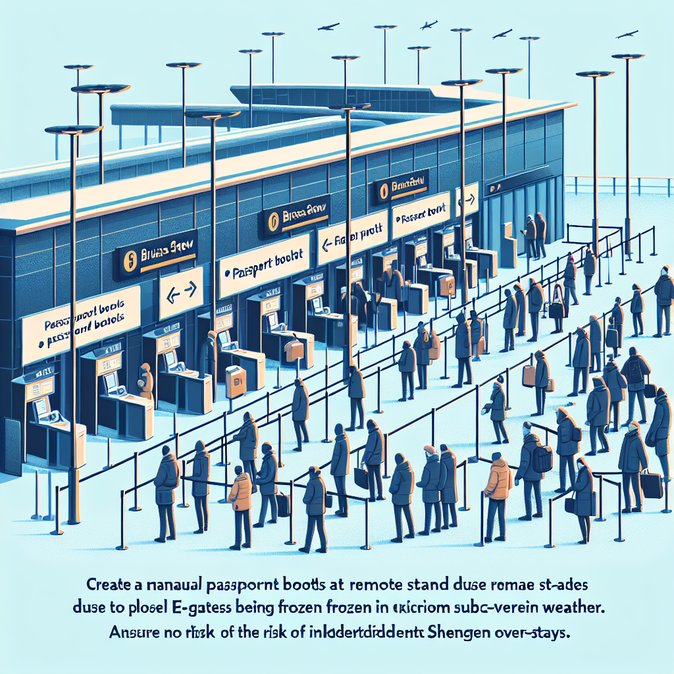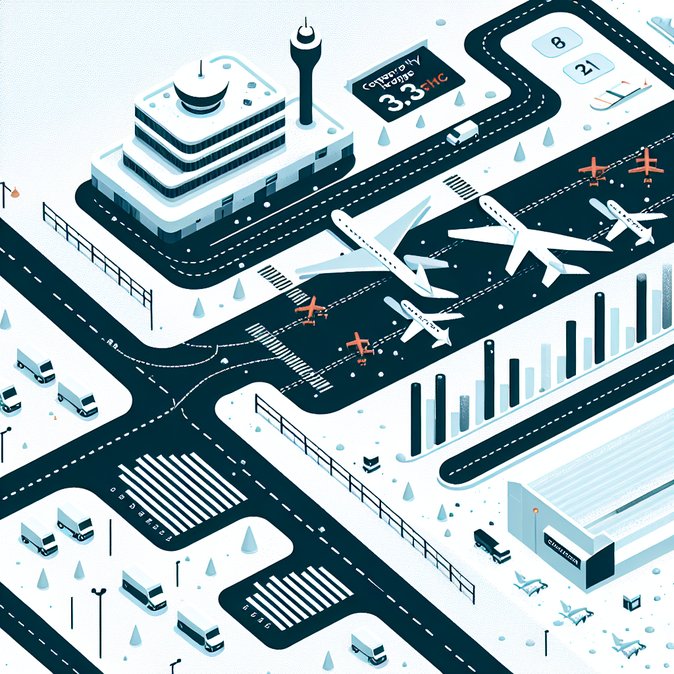
Real-time flight-tracking data show Brussels Airport racking up 34 cancellations and 212 delays on 9 January—more disruptions than any other European hub that day. Brussels Airlines alone cancelled 19 flights and delayed 99, while KLM, Iberia, Transavia and TAP also scrubbed multiple services. Knock-on effects rippled across Amsterdam, Frankfurt, Zurich and Paris, delaying long-haul connections to Africa, Asia and North America. (visahq.com)
Although the statistics overlap with the airport’s code-orange snow response, they highlight how quickly schedule instability can cascade through Europe’s tightly meshed air network. For travellers, the practical impact went beyond missed meetings: anyone rerouted through multiple Schengen airports was forced to re-enter the zone repeatedly, complicating immigration records and potential EU261 compensation claims. (visahq.com)
Amid this kind of chaos, VisaHQ can smooth at least one headache: its Belgium hub (https://www.visahq.com/belgium/) can arrange emergency transit or multiple-entry Schengen visas in hours, advise on re-stamping issues and ensure staff maintain eligibility for EU261 compensation—even if last-minute reroutes send them through London, Istanbul or further afield.
![Brussels Airport tops Europe’s delay chart after 34 cancellations and 212 delays on 9 January]()
For employers the financial hit is significant. Extended duty days trigger overtime for flight crews, additional hotel nights for stranded staff and potential penalties under EU261 passenger-rights rules. Companies with large travel volumes to Belgium are already renegotiating disruption clauses in 2026 airline contracts and building Liège or Düsseldorf routings into corporate travel policies as backup options. (visahq.com)
The episode is also a red flag for Belgium’s investment climate. Persistent schedule instability can influence airlines’ route-planning decisions and the willingness of multinationals to base regional headquarters in Brussels. Stakeholders are calling on Belgocontrol and the Federal Mobility Ministry to publish a winter-resilience plan before the end of January. (visahq.com)
In the meantime, mobility managers should monitor flight-punctuality dashboards daily, pre-authorise flexible re-booking and arrange contingency visas for staff who may be diverted via non-Schengen hubs such as London or Istanbul. (visahq.com)
Although the statistics overlap with the airport’s code-orange snow response, they highlight how quickly schedule instability can cascade through Europe’s tightly meshed air network. For travellers, the practical impact went beyond missed meetings: anyone rerouted through multiple Schengen airports was forced to re-enter the zone repeatedly, complicating immigration records and potential EU261 compensation claims. (visahq.com)
Amid this kind of chaos, VisaHQ can smooth at least one headache: its Belgium hub (https://www.visahq.com/belgium/) can arrange emergency transit or multiple-entry Schengen visas in hours, advise on re-stamping issues and ensure staff maintain eligibility for EU261 compensation—even if last-minute reroutes send them through London, Istanbul or further afield.

For employers the financial hit is significant. Extended duty days trigger overtime for flight crews, additional hotel nights for stranded staff and potential penalties under EU261 passenger-rights rules. Companies with large travel volumes to Belgium are already renegotiating disruption clauses in 2026 airline contracts and building Liège or Düsseldorf routings into corporate travel policies as backup options. (visahq.com)
The episode is also a red flag for Belgium’s investment climate. Persistent schedule instability can influence airlines’ route-planning decisions and the willingness of multinationals to base regional headquarters in Brussels. Stakeholders are calling on Belgocontrol and the Federal Mobility Ministry to publish a winter-resilience plan before the end of January. (visahq.com)
In the meantime, mobility managers should monitor flight-punctuality dashboards daily, pre-authorise flexible re-booking and arrange contingency visas for staff who may be diverted via non-Schengen hubs such as London or Istanbul. (visahq.com)