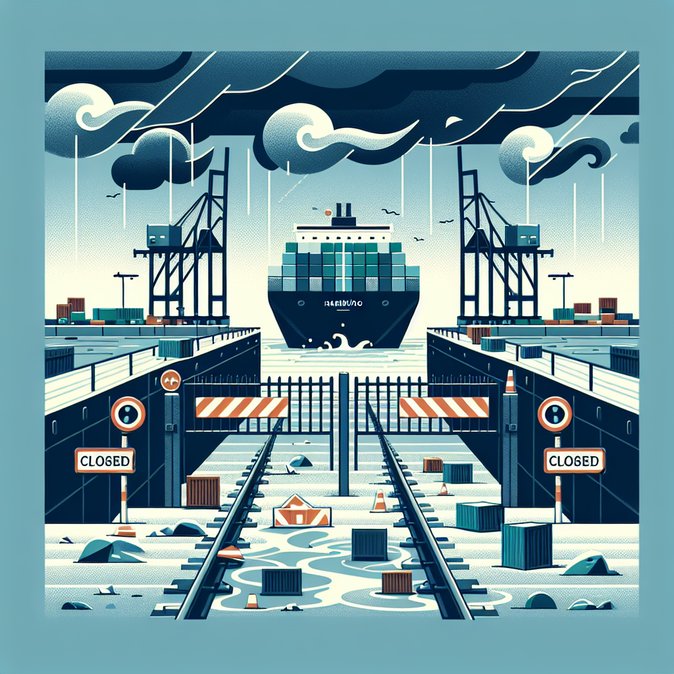
It is not only passengers feeling the impact of Storm Elli: the Port of Hamburg suspended container handling on 9 January, citing high winds and iced-over cranes. Rail Market reports that rail access to the port’s terminals slowed to a trickle, with operators parking loaded trains as yard slots filled.
Combined transport services between Hamburg and inland hubs in Bavaria and the Czech Republic were cancelled, raising the prospect of parts shortages for automotive plants that rely on just-in-time deliveries. Freight forwarder DB Cargo is prioritising hazardous-material and perishable units once tracks reopen, meaning general cargo may face multi-day dwell times.
For supply-chain teams scrambling to reposition inspectors or expediters at short notice, having travel documentation sorted can be critical. VisaHQ streamlines German and broader Schengen visa processing, offers real-time tracking and 24/7 support, and can shave days off lead times when disruptions like Storm Elli force sudden rerouting. Details are available at https://www.visahq.com/germany/
![Port of Hamburg and rail freight links freeze as severe weather snarls supply chains]()
Logistics managers are dusting off contingency routings via Bremerhaven and Rotterdam, but capacity is limited by similar weather constraints in the North Sea range. Insurance underwriters warn that demurrage and delay claims could spike if vessels miss berthing windows.
The German Logistics Association (BVL) says the episode underscores the need for all-weather equipment upgrades at northern ports and better data-sharing between terminal operators and rail corridors. The federal government’s forthcoming Freight Transport Master Plan, due in March, now faces fresh calls to ring-fence climate-resilience funding.
Companies with time-critical cargo should instruct forwarders to file “force majeure” notices where contractual delivery times cannot be met and to monitor terminal status dashboards hourly.
Combined transport services between Hamburg and inland hubs in Bavaria and the Czech Republic were cancelled, raising the prospect of parts shortages for automotive plants that rely on just-in-time deliveries. Freight forwarder DB Cargo is prioritising hazardous-material and perishable units once tracks reopen, meaning general cargo may face multi-day dwell times.
For supply-chain teams scrambling to reposition inspectors or expediters at short notice, having travel documentation sorted can be critical. VisaHQ streamlines German and broader Schengen visa processing, offers real-time tracking and 24/7 support, and can shave days off lead times when disruptions like Storm Elli force sudden rerouting. Details are available at https://www.visahq.com/germany/
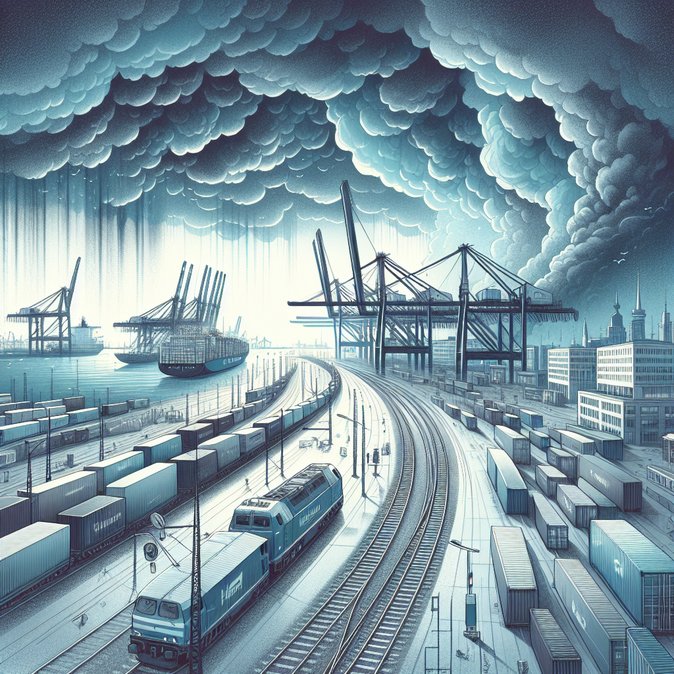
Logistics managers are dusting off contingency routings via Bremerhaven and Rotterdam, but capacity is limited by similar weather constraints in the North Sea range. Insurance underwriters warn that demurrage and delay claims could spike if vessels miss berthing windows.
The German Logistics Association (BVL) says the episode underscores the need for all-weather equipment upgrades at northern ports and better data-sharing between terminal operators and rail corridors. The federal government’s forthcoming Freight Transport Master Plan, due in March, now faces fresh calls to ring-fence climate-resilience funding.
Companies with time-critical cargo should instruct forwarders to file “force majeure” notices where contractual delivery times cannot be met and to monitor terminal status dashboards hourly.