Canada resumes low-wage LMIA processing in eight key cities as unemployment rates fall
Parent and Grandparent sponsorship remains closed for 2026; Super Visa promoted as main option
Record-setting Express Entry draw invites 8,000 Canadian Experience Class candidates
Latest News
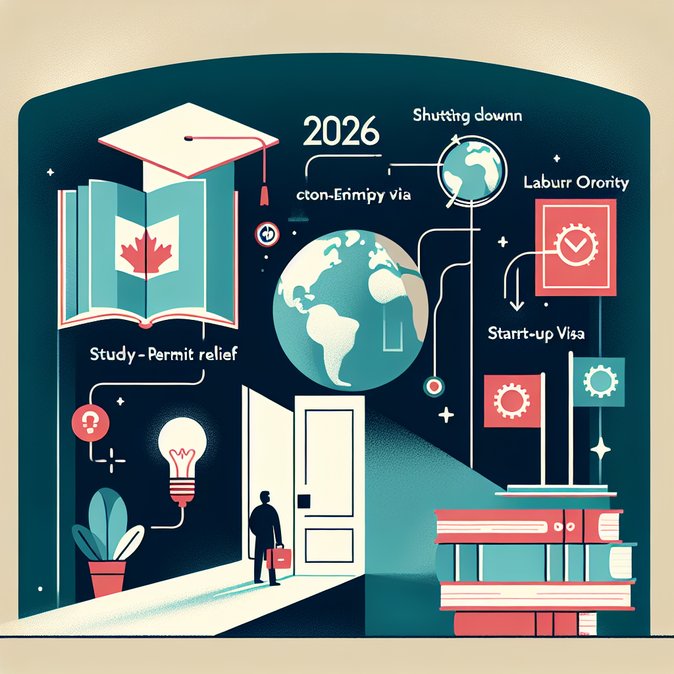
New year, new rules: Five Canadian immigration and labour reforms now in force
Multiple changes effective 1 January 2026—ranging from study-permit relief for graduate students to the shutdown of the Start-Up Visa and Ontario’s new labour-mobility rules—are already influencing recruitment, higher education and entrepreneur pathways.
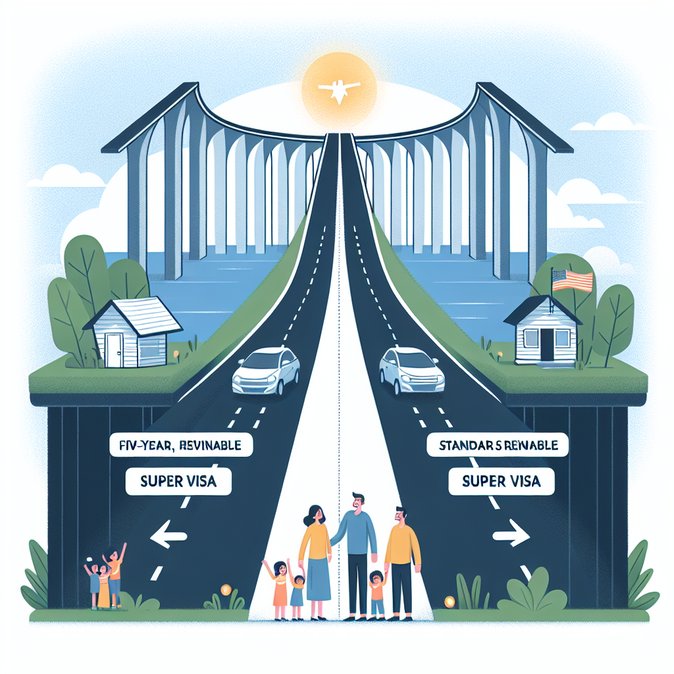
Super Visa vs. Visitor Visa: IRCC outlines practical options while PGP remains shut
IRCC’s 9 January guidance compares the five-year, renewable Super Visa with standard six-month visitor visas as practical ways to reunite with parents and grandparents while the PGP stays closed. Employers may need to assist staff with insurance and leave planning.
IRCC reorganises Temporary Resident Program Delivery Instructions; stakeholders urged to update links
IRCC has re-structured its Temporary Resident PDIs, creating two new headings and relocating content. The changes are administrative but require employers, counsel and vendors to update internal SOPs and web links to avoid referencing obsolete guidance.

New Year Brings Sweeping Canadian Immigration Rule Changes
Canada introduced four major policy shifts on 1 January 2026: graduate students are exempt from the study-permit cap; the federal Start-Up Visa has closed to new filings; Ontario has eased interprovincial credential transfer and banned ‘Canadian experience’ job requirements; and Alberta has tightened its Rural Renewal Stream. Businesses should update recruitment strategies immediately.

IRCC Launches Record-Setting CEC Express Entry Draw, Issuing 8,000 ITAs
IRCC issued 8,000 ITAs to Canadian Experience Class candidates on 7 January 2026—the largest CEC-specific draw since 2023. The move helps employers convert temporary workers to permanent residence and indicates the government’s continued reliance on in-Canada talent despite plans to slow overall immigration targets.
IRCC Updates Hong Kong Permanent-Residence Pathway Work-Experience Rules
IRCC’s 8 January 2026 guidance confirms that Hong Kong Stream B applicants need 1,560 paid hours and at least one year on a valid work permit within the past three years. Employers should verify time-tracking records to ensure eligible assignees qualify before the pathway expires.