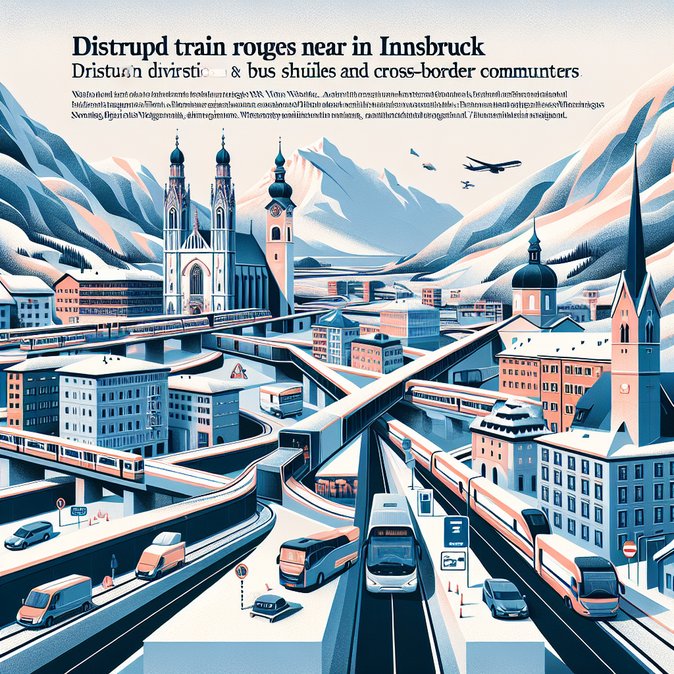
Austrian Federal Railways (ÖBB) has closed the strategic Innsbruck Hbf–Rum segment of the Weststrecke from 7 to 29 January to replace the century-old Rauchmühl Bridge. The 20-day blockade severs a key artery linking Vienna with Vorarlberg, Switzerland and southern Germany, forcing long-distance trains onto a freight bypass and prolonging journeys by roughly 60 minutes. (visahq.com)
Up to 90 coaches have been mobilised for rail-replacement buses, while freight operators are braced for congestion on the Brenner and Tauern corridors as cargo is rerouted. The timing is awkward: winter-sports hospitality events rely on the line for guest transfers to Tyrolean ski resorts.
Should unexpected flight connections or detours pull travellers through additional Schengen states, VisaHQ’s Austria desk (https://www.visahq.com/austria/) can expedite any supplementary visa paperwork, arrange courier pickup of passports and provide real-time consular updates—helping executives stay compliant and on schedule despite the rail disruption.
![Three-Week Rail Block near Innsbruck Adds an Hour to East-West Journeys]()
International business travellers caught out by the detours may switch to flights via Innsbruck or Munich, raising last-minute ticket costs and carbon-budget headaches. Travel-management companies recommend flexible fares and early seat booking on substitute buses, which ÖBB says are limited at peak times.
HR departments should also watch cross-border commuters who live in Bavaria or Graubünden; longer daily journeys could breach EU working-time directives, necessitating remote-work arrangements or per-diem adjustments.
ÖBB argues the closure is unavoidable after engineers flagged steel fatigue that could pose safety risks once spring thaw accelerates metal expansion. A dedicated microsite offers live bus timetables and push alerts.
Up to 90 coaches have been mobilised for rail-replacement buses, while freight operators are braced for congestion on the Brenner and Tauern corridors as cargo is rerouted. The timing is awkward: winter-sports hospitality events rely on the line for guest transfers to Tyrolean ski resorts.
Should unexpected flight connections or detours pull travellers through additional Schengen states, VisaHQ’s Austria desk (https://www.visahq.com/austria/) can expedite any supplementary visa paperwork, arrange courier pickup of passports and provide real-time consular updates—helping executives stay compliant and on schedule despite the rail disruption.
International business travellers caught out by the detours may switch to flights via Innsbruck or Munich, raising last-minute ticket costs and carbon-budget headaches. Travel-management companies recommend flexible fares and early seat booking on substitute buses, which ÖBB says are limited at peak times.
HR departments should also watch cross-border commuters who live in Bavaria or Graubünden; longer daily journeys could breach EU working-time directives, necessitating remote-work arrangements or per-diem adjustments.
ÖBB argues the closure is unavoidable after engineers flagged steel fatigue that could pose safety risks once spring thaw accelerates metal expansion. A dedicated microsite offers live bus timetables and push alerts.