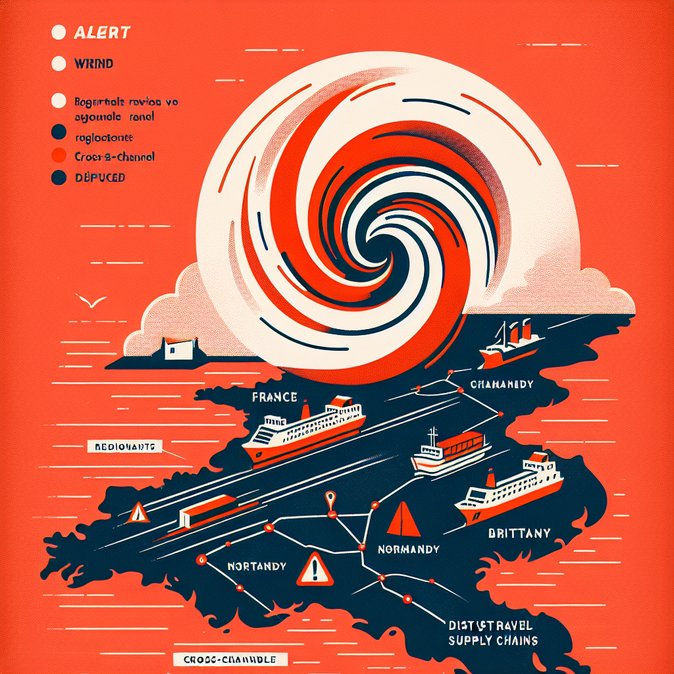
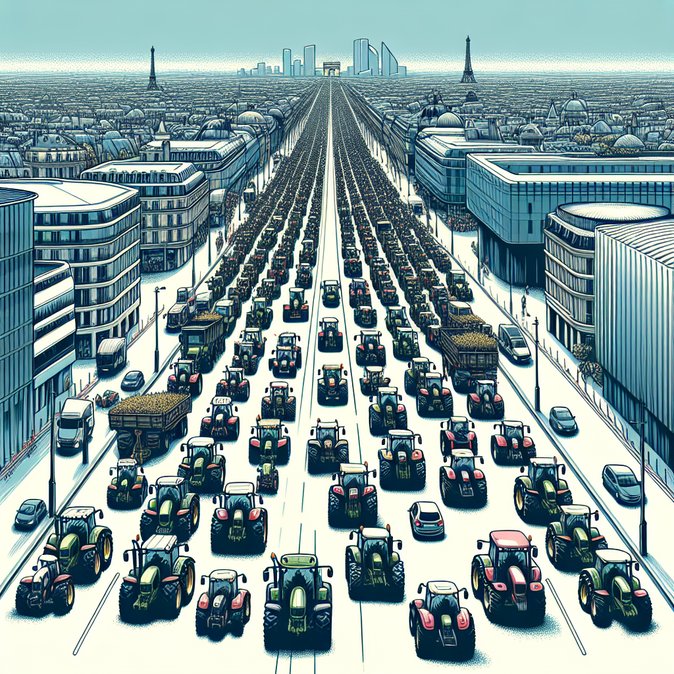
Paris woke to the rumble of tractors rather than commuter traffic on January 8, 2026, after hundreds of farmers from the Coordination Rurale and FNSEA unions spear-headed a surprise convoy into the capital. By dawn, more than 100 tractors had breached police checkpoints and ring-road controls, parking beneath the Arc de Triomphe, along the Champs-Élysées and outside the National Assembly. Motorways feeding the city—including the A13 from Normandy—were paralysed, creating 150 km of tailbacks that rippled across greater Île-de-France.
Although the demonstration is framed around opposition to the EU’s pending Mercosur free-trade agreement, the grievances go deeper. Farmers argue that the pact will undercut EU food standards and flood French shelves with cheaper imports, threatening already-thin margins. They also vented anger at escalating compliance costs, a costly cattle-cull policy to combat lumpy-skin disease, and what they call “ever tighter green regulations” that, they say, fail to reward lower-carbon farming practices.
The timing is awkward for President Emmanuel Macron: municipal elections loom in March and the far-right has capitalised on rural discontent. Within hours of the blockade, Macron announced that France would vote against the Mercosur deal, underscoring how road-blocking tactics can translate directly into policy leverage. Yet a ‘no’ from France will not stop the agreement if a qualified EU majority votes yes on Friday—raising the prospect of further nationwide tractor actions.
![Tractor Protests Gridlock Paris as Farmers Block Key Arteries Ahead of Mercosur Vote]()
For mobility managers the disruption is immediate and concrete. Road freight into Paris ground to a halt, express-delivery windows slipped by up to 24 hours, and corporate shuttles were forced to reroute via suburban rail hubs. Travellers heading to Charles-de-Gaulle or Orly experienced missed flights or urged detours via RER lines. Employers with posted workers in the region should activate business-continuity plans, communicate alternative routes, and anticipate repeat protests in provincial hubs where farmers plan sympathetic roadblocks.
Amid such sudden upheavals, VisaHQ’s dedicated France team (https://www.visahq.com/france/) can step in to fast-track Schengen visas, courier essential documents to consulates that protesters may have rendered unreachable, and monitor prefecture schedule changes so your assignees stay compliant. From urgent travel documentation to real-time regulatory updates, our experts help keep corporate mobility on track when events like these threaten to bring it to a standstill.
Longer term, companies that rely on ‘just-in-time’ road logistics into France should revisit redundancy in supply chains: consider rail freight corridors or warehousing buffers west of Paris. Immigration counsel should also note that prefectures in affected départements may reschedule residence-permit or work-authorisation appointments if access to city centres remains hindered. The episode is another reminder that social protest—particularly from the strategic farm lobby—can become an overnight mobility risk driver in France.
Although the demonstration is framed around opposition to the EU’s pending Mercosur free-trade agreement, the grievances go deeper. Farmers argue that the pact will undercut EU food standards and flood French shelves with cheaper imports, threatening already-thin margins. They also vented anger at escalating compliance costs, a costly cattle-cull policy to combat lumpy-skin disease, and what they call “ever tighter green regulations” that, they say, fail to reward lower-carbon farming practices.
The timing is awkward for President Emmanuel Macron: municipal elections loom in March and the far-right has capitalised on rural discontent. Within hours of the blockade, Macron announced that France would vote against the Mercosur deal, underscoring how road-blocking tactics can translate directly into policy leverage. Yet a ‘no’ from France will not stop the agreement if a qualified EU majority votes yes on Friday—raising the prospect of further nationwide tractor actions.
For mobility managers the disruption is immediate and concrete. Road freight into Paris ground to a halt, express-delivery windows slipped by up to 24 hours, and corporate shuttles were forced to reroute via suburban rail hubs. Travellers heading to Charles-de-Gaulle or Orly experienced missed flights or urged detours via RER lines. Employers with posted workers in the region should activate business-continuity plans, communicate alternative routes, and anticipate repeat protests in provincial hubs where farmers plan sympathetic roadblocks.
Amid such sudden upheavals, VisaHQ’s dedicated France team (https://www.visahq.com/france/) can step in to fast-track Schengen visas, courier essential documents to consulates that protesters may have rendered unreachable, and monitor prefecture schedule changes so your assignees stay compliant. From urgent travel documentation to real-time regulatory updates, our experts help keep corporate mobility on track when events like these threaten to bring it to a standstill.
Longer term, companies that rely on ‘just-in-time’ road logistics into France should revisit redundancy in supply chains: consider rail freight corridors or warehousing buffers west of Paris. Immigration counsel should also note that prefectures in affected départements may reschedule residence-permit or work-authorisation appointments if access to city centres remains hindered. The episode is another reminder that social protest—particularly from the strategic farm lobby—can become an overnight mobility risk driver in France.