Germany Sharpens EU Blue Card Rules for 2026: Higher Salaries but Broader Talent Pool
Berlin Restores Power After Four-Day Blackout, Exposes Mobility Vulnerabilities
Winter Storm ‘Goretti’ Keeps Germany’s Mobility Sector on Ice
Latest News

Storm ‘Elli’ Triggers Snow-Operations Protocol at Berlin-Brandenburg Airport
Berlin-Brandenburg Airport activated its snow-operations plan on 8 January as Storm Elli brought heavy snowfall. Continuous runway clearing and aircraft de-icing are causing delays and sporadic cancellations, with knock-on effects for onward rail and air connections. Business-travel coordinators should anticipate extended ground times, secure alternative transport and prepare for possible rescheduling of on-airport immigration appointments.
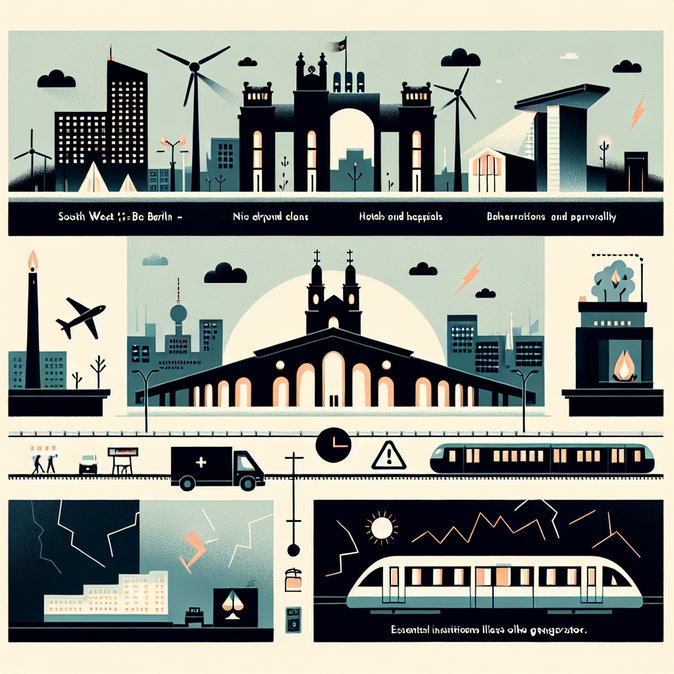
Berlin Restores Power After Four-Day Blackout, Spotlight on Business Travel Resilience
Electricity, heating and phone service were fully restored to south-west Berlin on 7 January after a suspected left-wing arson attack that caused the city’s worst blackout in 80 years. The four-day outage paralysed S-Bahn lines, disrupted BER airport ground operations and forced hotels and hospitals onto generators. Companies with travellers or assignees in Berlin face knock-on costs and are revising contingency and insurance cover. The incident is a stark reminder that critical-infrastructure threats must now sit alongside visa and tax issues on every Germany mobility risk register.

Winter Storm Keeps Germany’s Mobility Sector on Alert as Snow and Ice Persist
Germany is still facing widespread ice and snow warnings, causing slower ICE trains, regional bus cancellations and tactical flight cuts at Frankfurt and Munich. Travellers are urged to build in extra connection time and claim EC 261 rights where eligible. Employers should review ground-transport and accommodation contingencies as another cold surge is expected within days.

Germany Sharpens EU Blue Card Rules for 2026: Higher Salaries but Broader Talent Pool
As of January 2026 the minimum salary for a German EU Blue Card rises to €50 700 (standard) and €45 630 for shortage occupations. New rules also open eligibility to recent graduates and experienced IT specialists without a degree, while expanding the shortage-occupation list. Employers must update offer letters immediately or risk visa refusals; assignees gain faster paths to long-term residence and greater intra-EU mobility.