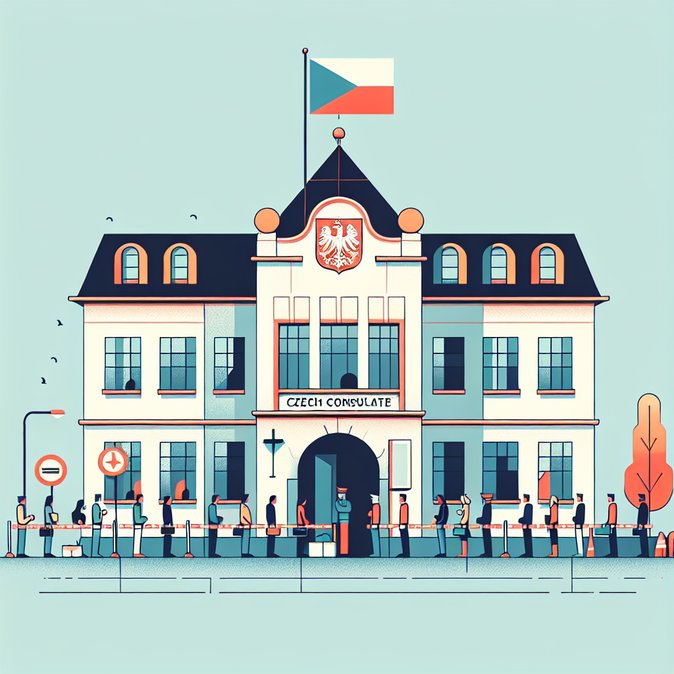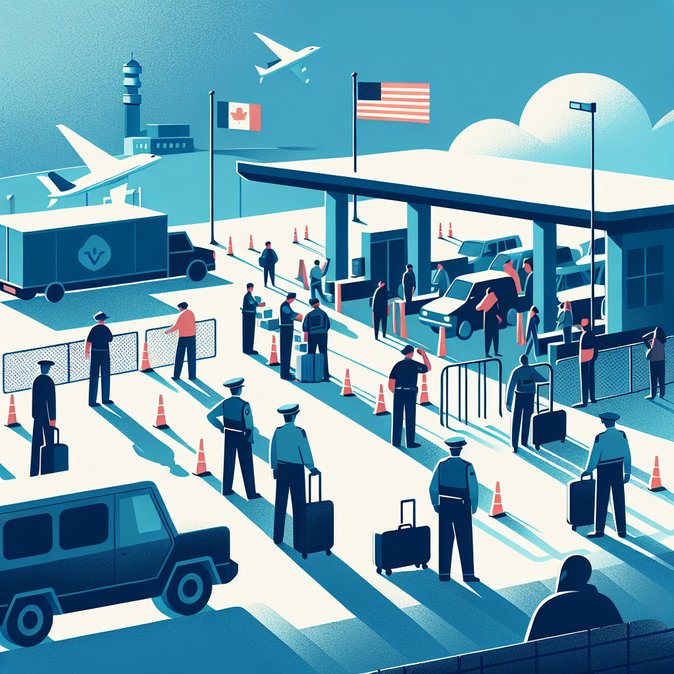
Germany has quietly extended the ‘temporary’ controls it re-introduced last September on all nine land crossings with Czechia—including the busy D5 and D8 motorways and the Prague-Berlin rail corridor—until 15 March 2026. The move pushes Berlin to the six-month ceiling allowed under Article 25 of the Schengen Borders Code without special approval from Brussels and underscores the political pressure on the new coalition to curb secondary migration.
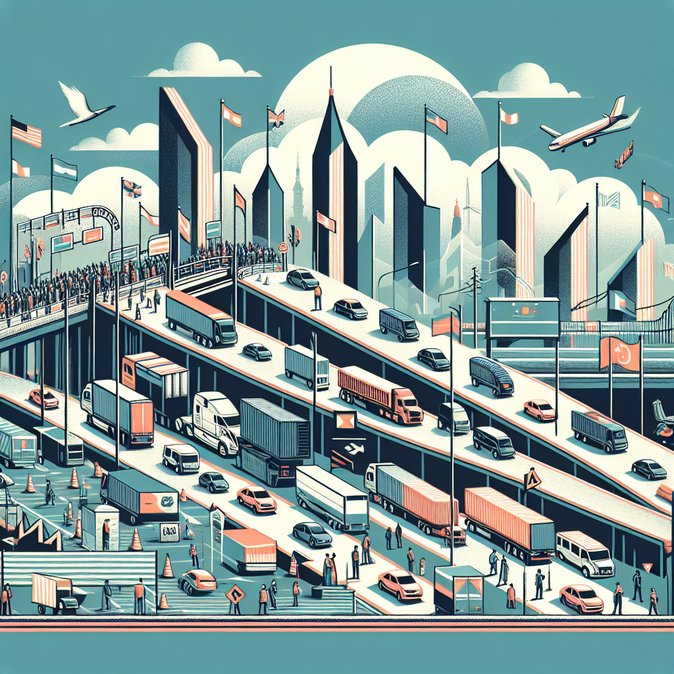
Under the measure, Bundespolizei officers can stop motorists, coach passengers and rail travellers at random to verify identity documents, travel plans or proof of funds. Rail operators report average delays of 30 minutes when whole carriages are screened, while freight forwarders cite kilometre-long tailbacks at peak hours. Logistics associations warn that prolonged checks are inflating transport costs and may disrupt just-in-time production chains between Prague, Plzeň and Munich.
Travel coordinators who need clarity on what documents will satisfy German border officers can save time by consulting VisaHQ. The platform’s Czech Republic portal (https://www.visahq.com/czech-republic/) tracks real-time changes to Schengen entry rules, helps users check passport validity requirements, and even arranges expedited visa or document renewals when needed—handy for commuters and logistics managers juggling last-minute schedule shifts.
![Germany Prolongs Border Checks on Czech Frontier to 15 March 2026]()
Roughly 37 000 Czech commuters who cross into Bavaria and Saxony daily now face less predictable journey times. Employers are advising staff to carry passports—not just national ID cards—and to build at least 45 minutes of buffer into meetings. Holders of Czech residence cards should note that only the physical plastic card is accepted; digital copies on smartphones are not.
Brussels will review the situation in February, but analysts see little chance of an early rollback before key German regional elections in March. Businesses with cross-border operations are updating travel policies, exploring remote-work options for affected staff and monitoring further announcements from both governments.
For mobility teams the message is clear: treat the Czech–German frontier as an external Schengen border for the next two months, ensure travellers have the right documents on their person and factor potential delays into delivery schedules and project timelines.
Under the measure, Bundespolizei officers can stop motorists, coach passengers and rail travellers at random to verify identity documents, travel plans or proof of funds. Rail operators report average delays of 30 minutes when whole carriages are screened, while freight forwarders cite kilometre-long tailbacks at peak hours. Logistics associations warn that prolonged checks are inflating transport costs and may disrupt just-in-time production chains between Prague, Plzeň and Munich.
Travel coordinators who need clarity on what documents will satisfy German border officers can save time by consulting VisaHQ. The platform’s Czech Republic portal (https://www.visahq.com/czech-republic/) tracks real-time changes to Schengen entry rules, helps users check passport validity requirements, and even arranges expedited visa or document renewals when needed—handy for commuters and logistics managers juggling last-minute schedule shifts.
Roughly 37 000 Czech commuters who cross into Bavaria and Saxony daily now face less predictable journey times. Employers are advising staff to carry passports—not just national ID cards—and to build at least 45 minutes of buffer into meetings. Holders of Czech residence cards should note that only the physical plastic card is accepted; digital copies on smartphones are not.
Brussels will review the situation in February, but analysts see little chance of an early rollback before key German regional elections in March. Businesses with cross-border operations are updating travel policies, exploring remote-work options for affected staff and monitoring further announcements from both governments.
For mobility teams the message is clear: treat the Czech–German frontier as an external Schengen border for the next two months, ensure travellers have the right documents on their person and factor potential delays into delivery schedules and project timelines.