Hong Kong’s Immigration Department says it processed 3.2 million passenger movements between 1 and 3 January, the first long weekend of 2026. Of these, 1.63 million were arrivals, with the Lo Wu rail crossing (620 000) and Lok Ma Chau/Futian spur line (570 000) handling the bulk of the traffic. Total flows reached 85 per cent of the 2019 New-Year peak, showing how quickly cross-boundary mobility is normalising fifteen months after the last pandemic restrictions were lifted.
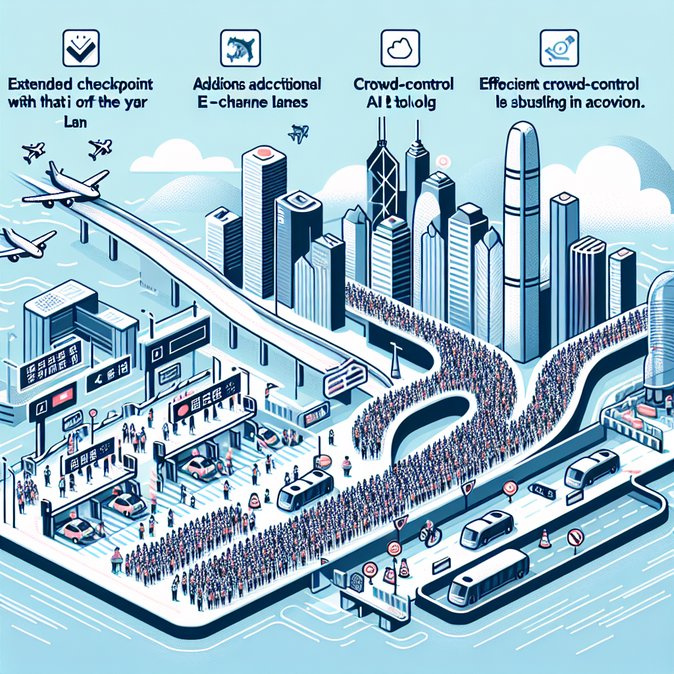
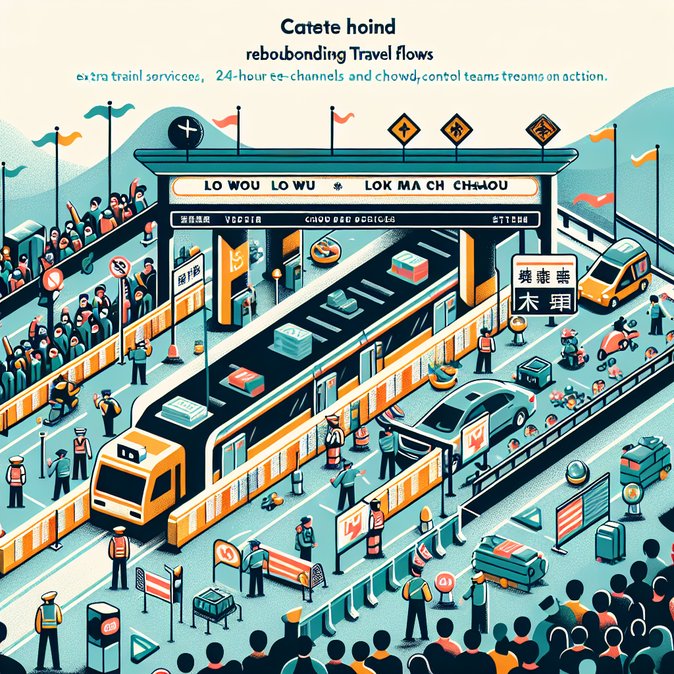
Officials credit several “holiday surge” measures. Roving “immigration marshals” were deployed to redirect crowds in real time, all land checkpoints kept at least half of their e-Channel gates open 24 hours a day, and MTR Corporation ran six extra Intercity Through-Train services funded under the Greater Bay Area Transport Facilitation Scheme. On the technology front, the Smart Departure QR-code lanes—now fully rolled out at every control point—cut average clearance times to under 20 seconds.
![Holiday border rush pushes Hong Kong to 3.2 million crossings—85 % of pre-Covid level]()
For travelers who want to be just as prepared, VisaHQ’s Hong Kong platform (https://www.visahq.com/hong-kong/) makes it easy to check visa requirements, submit online applications, and arrange courier pickup of passports before hitting the e-Channels. The site also sends real-time alerts on rule changes such as the new Smart Departure QR codes, helping visitors breeze through immigration even during peak-holiday crowds.
Retailers and hotels on both sides of the boundary welcomed the numbers. Mong Kok cosmetics shops reported takings up 35 per cent over the previous year, while Shenzhen hotel occupancy hit 92 per cent as day-trippers opted to stay overnight to avoid crowds. Logistics firms also benefited: trucking group Man Sang Logistics said same-day cross-border deliveries were back to “near-normal rhythm”, helping exporters hit tight post-holiday deadlines.
Yet capacity constraints remain. Lo Wu station, built for 300 000 daily passengers, handled more than double that on 2 January. The Immigration Department plans to trial “dynamic lane switching”, converting departure lanes to arrival lanes on demand, during the upcoming Lunar New Year golden week. Businesses are being advised to stagger staff travel dates and encourage use of lesser-known crossings such as Heung Yuen Wai to avoid bottlenecks.
Officials credit several “holiday surge” measures. Roving “immigration marshals” were deployed to redirect crowds in real time, all land checkpoints kept at least half of their e-Channel gates open 24 hours a day, and MTR Corporation ran six extra Intercity Through-Train services funded under the Greater Bay Area Transport Facilitation Scheme. On the technology front, the Smart Departure QR-code lanes—now fully rolled out at every control point—cut average clearance times to under 20 seconds.

For travelers who want to be just as prepared, VisaHQ’s Hong Kong platform (https://www.visahq.com/hong-kong/) makes it easy to check visa requirements, submit online applications, and arrange courier pickup of passports before hitting the e-Channels. The site also sends real-time alerts on rule changes such as the new Smart Departure QR codes, helping visitors breeze through immigration even during peak-holiday crowds.
Retailers and hotels on both sides of the boundary welcomed the numbers. Mong Kok cosmetics shops reported takings up 35 per cent over the previous year, while Shenzhen hotel occupancy hit 92 per cent as day-trippers opted to stay overnight to avoid crowds. Logistics firms also benefited: trucking group Man Sang Logistics said same-day cross-border deliveries were back to “near-normal rhythm”, helping exporters hit tight post-holiday deadlines.
Yet capacity constraints remain. Lo Wu station, built for 300 000 daily passengers, handled more than double that on 2 January. The Immigration Department plans to trial “dynamic lane switching”, converting departure lanes to arrival lanes on demand, during the upcoming Lunar New Year golden week. Businesses are being advised to stagger staff travel dates and encourage use of lesser-known crossings such as Heung Yuen Wai to avoid bottlenecks.