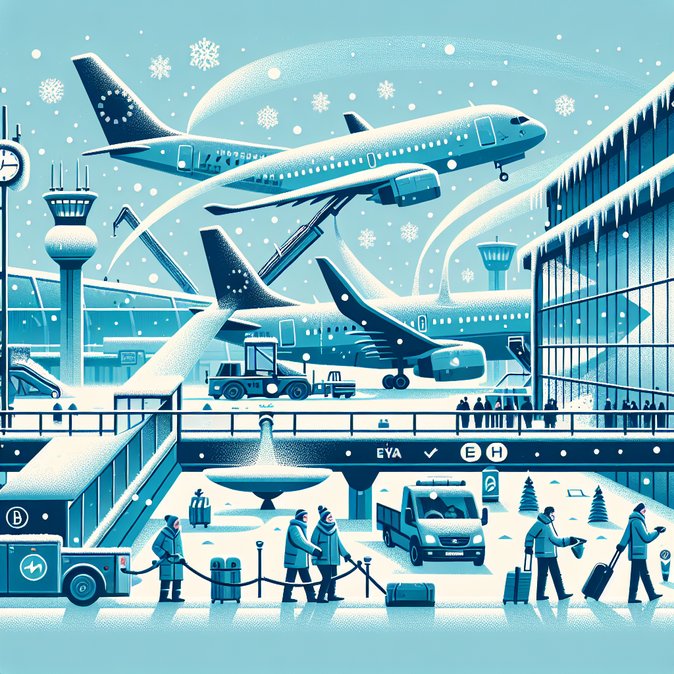
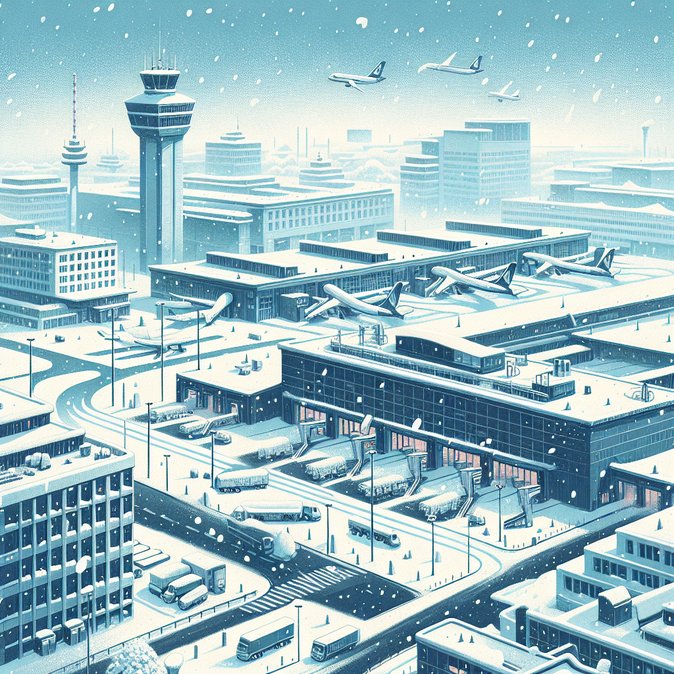
Brussels woke up on 7 January 2026 to the tail-end of Storm Goretti, a polar system that swept heavy snow and black ice across France, the Netherlands and Belgium overnight. By mid-morning more than 120 movements at Brussels Airport (BRU) had been cancelled or delayed as ground handlers battled freezing fog and airline crews queued for scarce de-icing trucks. The impact extended far beyond leisure traffic: hundreds of consultants and sales teams returning from the holiday break saw meetings scrapped, while pharmaceutical exporters in Wallonia had to reroute temperature-sensitive shipments through Liège.
The storm created a domino effect across Europe’s integrated aviation network. Schiphol scrapped 700 flights and set up makeshift dormitories for stranded passengers; Paris-Charles de Gaulle and Orly dropped a combined 140 flights, and Eurostar thinned out its timetable. Belgian flag-carrier Brussels Airlines cancelled 18 intra-European rotations and warned that crew-duty limits could force further cuts if delays persisted into the evening. Freight forwarders reported that chilled-cargo truck queues at the French–Belgian border stretched more than eight kilometres, forcing “cold-chain triage” for perishable goods.
Under Belgian contingency rules introduced after the 2022 winter chaos, airlines can waive minimum-service obligations during officially declared ‘exceptional weather events’. That allows carriers to cancel flights without paying standard EU 261 compensation, but they must still offer re-booking or refunds and provide lodging if overnight stays are required. Mobility managers should therefore pre-authorise corporate credit cards for emergency accommodation and build at least 24 hours of buffer into critical-staff itineraries this week.
![Storm Goretti Grounds Flights Across Northwest Europe, Disrupting Brussels Airport and Business Travel]()
Immigration implications lurk beneath the meteorological headlines. Third-country nationals diverted to Brussels may find that an unplanned layover pushes them over Belgium’s 48-hour visa-free transit limit. The Foreigners Office confirmed to local media that short-stay “Type C” Schengen visas could be issued airside in genuine hardship cases, but only during business hours. Employers are advised to keep electronic scans of workers’ residence titles on file and to brief travellers on the nearest Belgian consulate should onward travel be rerouted outside Schengen.
Should travellers suddenly need a Belgian short-stay or transit visa, online specialists like VisaHQ can fast-track the paperwork, arrange courier collection of passports and monitor embassy appointment slots in real time. The company’s Brussels-dedicated portal (https://www.visahq.com/belgium/) also sends automated alerts on documentation changes, giving duty travel managers an extra layer of assurance when severe weather scrambles itineraries.
Looking ahead, Brussels Airport said it has 900 tonnes of glycol in reserve—triple last year’s stock—and expects to clear the backlog within 48 hours if temperatures rise as forecast. For now, global-mobility teams with time-critical assignments are being urged to consider rail via Cologne or Luxembourg or to re-book on flights via Madrid, which remained largely unaffected.
The storm created a domino effect across Europe’s integrated aviation network. Schiphol scrapped 700 flights and set up makeshift dormitories for stranded passengers; Paris-Charles de Gaulle and Orly dropped a combined 140 flights, and Eurostar thinned out its timetable. Belgian flag-carrier Brussels Airlines cancelled 18 intra-European rotations and warned that crew-duty limits could force further cuts if delays persisted into the evening. Freight forwarders reported that chilled-cargo truck queues at the French–Belgian border stretched more than eight kilometres, forcing “cold-chain triage” for perishable goods.
Under Belgian contingency rules introduced after the 2022 winter chaos, airlines can waive minimum-service obligations during officially declared ‘exceptional weather events’. That allows carriers to cancel flights without paying standard EU 261 compensation, but they must still offer re-booking or refunds and provide lodging if overnight stays are required. Mobility managers should therefore pre-authorise corporate credit cards for emergency accommodation and build at least 24 hours of buffer into critical-staff itineraries this week.
Immigration implications lurk beneath the meteorological headlines. Third-country nationals diverted to Brussels may find that an unplanned layover pushes them over Belgium’s 48-hour visa-free transit limit. The Foreigners Office confirmed to local media that short-stay “Type C” Schengen visas could be issued airside in genuine hardship cases, but only during business hours. Employers are advised to keep electronic scans of workers’ residence titles on file and to brief travellers on the nearest Belgian consulate should onward travel be rerouted outside Schengen.
Should travellers suddenly need a Belgian short-stay or transit visa, online specialists like VisaHQ can fast-track the paperwork, arrange courier collection of passports and monitor embassy appointment slots in real time. The company’s Brussels-dedicated portal (https://www.visahq.com/belgium/) also sends automated alerts on documentation changes, giving duty travel managers an extra layer of assurance when severe weather scrambles itineraries.
Looking ahead, Brussels Airport said it has 900 tonnes of glycol in reserve—triple last year’s stock—and expects to clear the backlog within 48 hours if temperatures rise as forecast. For now, global-mobility teams with time-critical assignments are being urged to consider rail via Cologne or Luxembourg or to re-book on flights via Madrid, which remained largely unaffected.