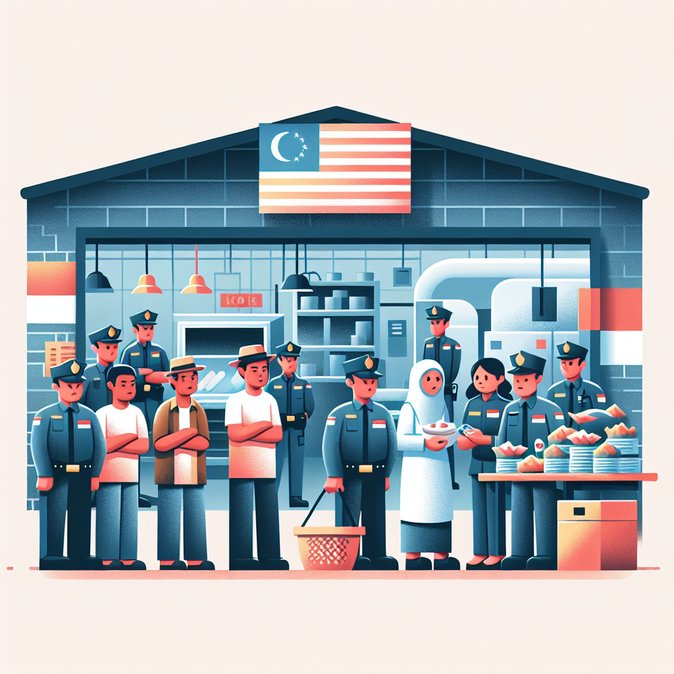
Hong Kong’s Immigration Department has continued its aggressive campaign against illegal employment, arresting two local restaurant proprietors and five Indonesian nationals during a weekend raid on a Kwai Chung food-processing factory. Officers also seized packaging equipment and production logs indicating that products made by undocumented workers were supplied to the owners’ eatery and to food fairs around the city. (scmp.com)
The arrested workers—three men and two women aged 24–52—had either overstayed visas or lacked permission to work under the recognisance-form regime. The factory itself held a valid licence, highlighting how legitimate shells can mask illicit labour practices. Under Section 38AA of the Immigration Ordinance, employing illegal workers carries penalties of up to HK$500,000 and 10 years’ imprisonment; the case has been transferred to the Department of Justice for possible prosecution.
For employers, the case reinforces the need for rigorous right-to-work checks, especially where supply-chain partners or third-party vendors are involved. The Immigration Department has increased spot inspections of F&B outlets and dark kitchens following several high-profile prosecutions in 2025. Businesses found negligent face not only fines but suspension of food-factory permits, which can disrupt supply chains for weeks.
![Restaurant owners and five Indonesian nationals arrested in Hong Kong’s latest illegal-worker sweep]()
Compliance teams that lack in-house immigration expertise may benefit from specialist support. VisaHQ’s Hong Kong portal (https://www.visahq.com/hong-kong/) aggregates the latest visa rules, provides digital document checks and can submit applications on a company’s behalf, helping employers and their staff stay on the right side of Section 38AA.
The crackdown also has broader mobility implications. Indonesia supplies more than 150,000 foreign domestic helpers to Hong Kong, and consular officials are sensitive to public perception that nationals are involved in illegal work. Consulate staff told reporters they will step up outreach to remind job-seekers that factory or catering work is prohibited on helper or visitor visas.
Multinational corporates should audit their caterers and event suppliers to ensure they hold valid staff-vetting records. Mobility teams processing dependent or training visas should brief assignees on the strict separation between permissible and impermissible work activities to avoid inadvertent violations.
The arrested workers—three men and two women aged 24–52—had either overstayed visas or lacked permission to work under the recognisance-form regime. The factory itself held a valid licence, highlighting how legitimate shells can mask illicit labour practices. Under Section 38AA of the Immigration Ordinance, employing illegal workers carries penalties of up to HK$500,000 and 10 years’ imprisonment; the case has been transferred to the Department of Justice for possible prosecution.
For employers, the case reinforces the need for rigorous right-to-work checks, especially where supply-chain partners or third-party vendors are involved. The Immigration Department has increased spot inspections of F&B outlets and dark kitchens following several high-profile prosecutions in 2025. Businesses found negligent face not only fines but suspension of food-factory permits, which can disrupt supply chains for weeks.

Compliance teams that lack in-house immigration expertise may benefit from specialist support. VisaHQ’s Hong Kong portal (https://www.visahq.com/hong-kong/) aggregates the latest visa rules, provides digital document checks and can submit applications on a company’s behalf, helping employers and their staff stay on the right side of Section 38AA.
The crackdown also has broader mobility implications. Indonesia supplies more than 150,000 foreign domestic helpers to Hong Kong, and consular officials are sensitive to public perception that nationals are involved in illegal work. Consulate staff told reporters they will step up outreach to remind job-seekers that factory or catering work is prohibited on helper or visitor visas.
Multinational corporates should audit their caterers and event suppliers to ensure they hold valid staff-vetting records. Mobility teams processing dependent or training visas should brief assignees on the strict separation between permissible and impermissible work activities to avoid inadvertent violations.