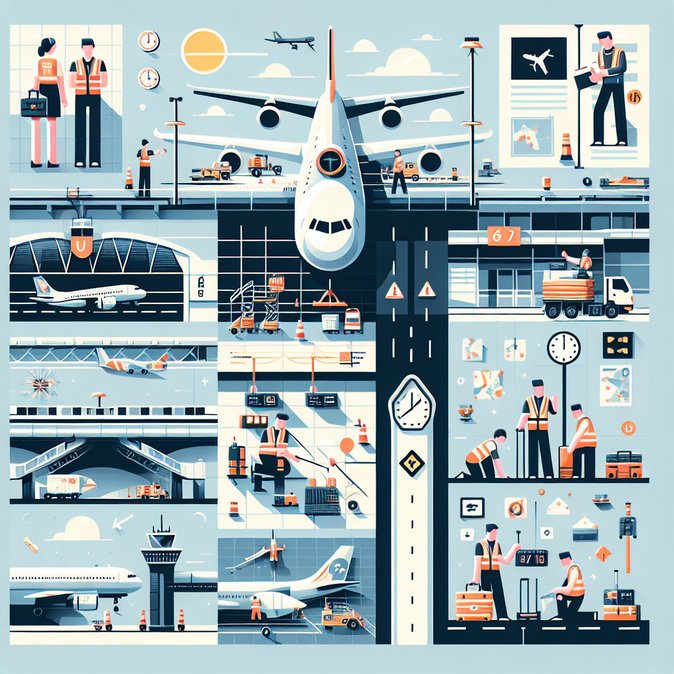
In the small hours of 3 January, Hong Kong International Airport’s overnight wave hit turbulence when Hong Kong Express flight UO245 and Cathay Pacific cargo service CX5245 were cancelled at 01:15, stranding roughly 460 passengers. Airport Authority staff moved quickly, re-routing some travellers onto later flights and arranging hotel rooms, preventing baggage pile-ups that often accompany red-eye disruptions.
Industry insiders told VisaHQ that crew-rostering constraints following the holiday rush were the root cause: airlines maximised aircraft utilisation by stacking red-eye rotations, leaving minimal reserve crew when sickness or duty-time limits struck. The airport had handled 1,100 passenger flights on 2 January—an 18 percent year-on-year jump—so even two cancellations threatened to ripple into the morning peak.
For business-travel planners, the incident is a warning. Tight overnight connections remain risky until carriers rebuild fuller staffing buffers. Travel-management companies recommend building at least four-hour connection cushions and booking refundable airport-area hotels for executives on critical Asia-Pacific routings.
![Overnight Flight Cancellations at Chek Lap Kok Expose Crew-Rostering Weaknesses]()
If sudden flight changes leave you scrambling for travel documents, VisaHQ’s Hong Kong portal (https://www.visahq.com/hong-kong/) can step in instantly. The service arranges emergency visa renewals, e-visa applications and replacement passport pages, coordinating directly with local consulates while you sort out new flights—saving valuable time and sparing travellers from lengthy immigration queues.
From a global-mobility angle, cancelled or missed flights can trigger urgent visa-validity or entry-stamp problems—particularly for travellers on short-duty visits nearing their permitted stay. Digital visa-service platforms such as VisaHQ streamline extensions or re-issuances, reducing the risk of non-compliance when itineraries shift at the last minute.
The Airport Authority says help is on the way: a new satellite concourse and 40 additional biometric e-gates are slated to open before Easter, expanding hourly throughput by 12 percent and giving airlines more flexibility to re-schedule disrupted services without clogging stands.
Industry insiders told VisaHQ that crew-rostering constraints following the holiday rush were the root cause: airlines maximised aircraft utilisation by stacking red-eye rotations, leaving minimal reserve crew when sickness or duty-time limits struck. The airport had handled 1,100 passenger flights on 2 January—an 18 percent year-on-year jump—so even two cancellations threatened to ripple into the morning peak.
For business-travel planners, the incident is a warning. Tight overnight connections remain risky until carriers rebuild fuller staffing buffers. Travel-management companies recommend building at least four-hour connection cushions and booking refundable airport-area hotels for executives on critical Asia-Pacific routings.

If sudden flight changes leave you scrambling for travel documents, VisaHQ’s Hong Kong portal (https://www.visahq.com/hong-kong/) can step in instantly. The service arranges emergency visa renewals, e-visa applications and replacement passport pages, coordinating directly with local consulates while you sort out new flights—saving valuable time and sparing travellers from lengthy immigration queues.
From a global-mobility angle, cancelled or missed flights can trigger urgent visa-validity or entry-stamp problems—particularly for travellers on short-duty visits nearing their permitted stay. Digital visa-service platforms such as VisaHQ streamline extensions or re-issuances, reducing the risk of non-compliance when itineraries shift at the last minute.
The Airport Authority says help is on the way: a new satellite concourse and 40 additional biometric e-gates are slated to open before Easter, expanding hourly throughput by 12 percent and giving airlines more flexibility to re-schedule disrupted services without clogging stands.