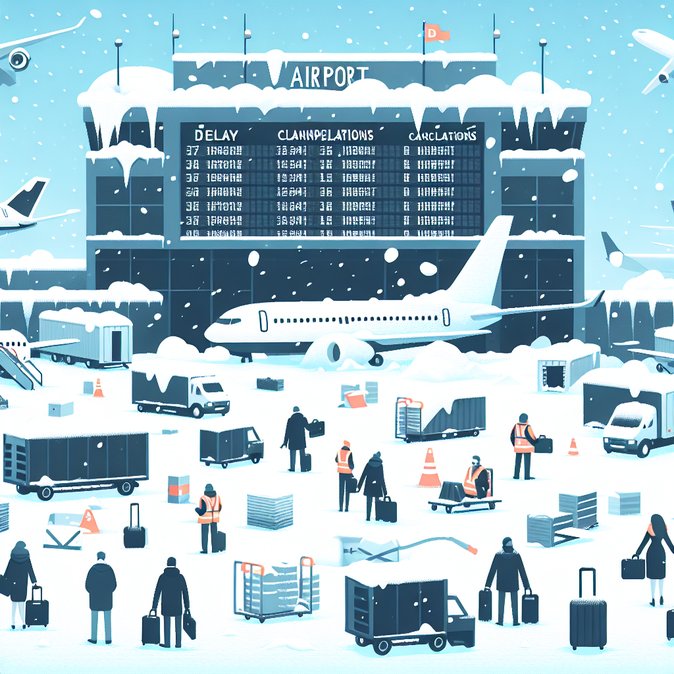
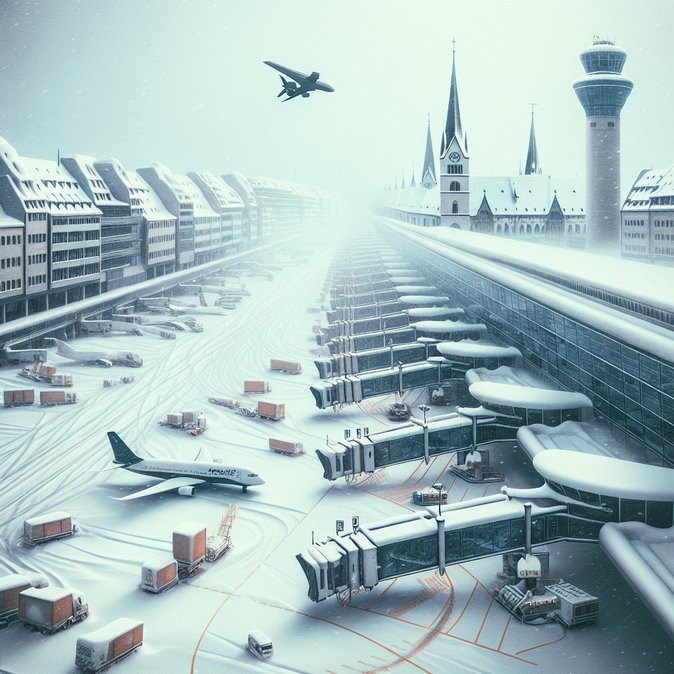
Severe snow, gale-force winds and near-zero visibility have thrown Germany’s aviation schedule into disarray today, 5 January 2026. According to industry monitor Cirium, at least 69 flights were cancelled and 1,222 delayed by mid-afternoon across Berlin, Frankfurt, Munich, Düsseldorf and Hamburg. Flag-carrier Lufthansa, together with partners Air Dolomiti and German Airways, bore the brunt of the disruption as ground crews struggled to keep runways clear.
The knock-on effect for business travellers is significant. Frankfurt—Europe’s fourth-busiest hub—saw departure banks collapse, sending connecting passengers scrambling for hotel rooms. Cargo flows also suffered: logistics giant DHL reported that three overnight freighters diverted to Leipzig, delaying just-in-time automotive parts.
Airlines invoked ‘extraordinary circumstances’ clauses to avoid EU 261 compensation, but corporate travel managers should still log disruptions for duty-of-care reporting. Rail operator Deutsche Bahn attempted to absorb overflow, yet many long-distance ICE services were themselves curtailed north of Hanover due to iced overhead lines.
![Winter storm paralyses German air network, triggering 69 cancellations and 1,200+ delays]()
Amid that chaos, VisaHQ can remove at least one headache: the platform (https://www.visahq.com/germany/) streamlines German visa processing, tracks real-time entry requirements and stores digital travel documents, allowing stranded passengers and assignees to rebook with confidence once flights resume.
Meteorologists at the German Weather Service (DWD) expect conditions to stabilise overnight, but airport slot backlogs typically take 24–36 hours to clear. Mobility teams with Monday-morning assignee moves should proactively rebook onto later flights and issue remote-work contingency instructions.
Longer term, the episode will intensify calls for resilient winter-ops planning. Industry body ADV wants federal funding for heated runway technology, while unions argue staffing levels are too thin after pandemic-era cuts. Either way, today’s chaos is a stark reminder that climate-related disruptions must be baked into relocation timelines.
The knock-on effect for business travellers is significant. Frankfurt—Europe’s fourth-busiest hub—saw departure banks collapse, sending connecting passengers scrambling for hotel rooms. Cargo flows also suffered: logistics giant DHL reported that three overnight freighters diverted to Leipzig, delaying just-in-time automotive parts.
Airlines invoked ‘extraordinary circumstances’ clauses to avoid EU 261 compensation, but corporate travel managers should still log disruptions for duty-of-care reporting. Rail operator Deutsche Bahn attempted to absorb overflow, yet many long-distance ICE services were themselves curtailed north of Hanover due to iced overhead lines.
Amid that chaos, VisaHQ can remove at least one headache: the platform (https://www.visahq.com/germany/) streamlines German visa processing, tracks real-time entry requirements and stores digital travel documents, allowing stranded passengers and assignees to rebook with confidence once flights resume.
Meteorologists at the German Weather Service (DWD) expect conditions to stabilise overnight, but airport slot backlogs typically take 24–36 hours to clear. Mobility teams with Monday-morning assignee moves should proactively rebook onto later flights and issue remote-work contingency instructions.
Longer term, the episode will intensify calls for resilient winter-ops planning. Industry body ADV wants federal funding for heated runway technology, while unions argue staffing levels are too thin after pandemic-era cuts. Either way, today’s chaos is a stark reminder that climate-related disruptions must be baked into relocation timelines.