The Federal Interior Ministry has quietly extended the temporary controls it re-introduced in September 2025 at all nine German land borders—including crossings from Czechia, Poland, Austria and the Netherlands—until 15 March 2026. A notice confirming the step was published in the Bundesanzeiger on 29 December and acknowledged by neighbouring governments over New Year; Czech officials publicly confirmed the extension on 3 January 2026.
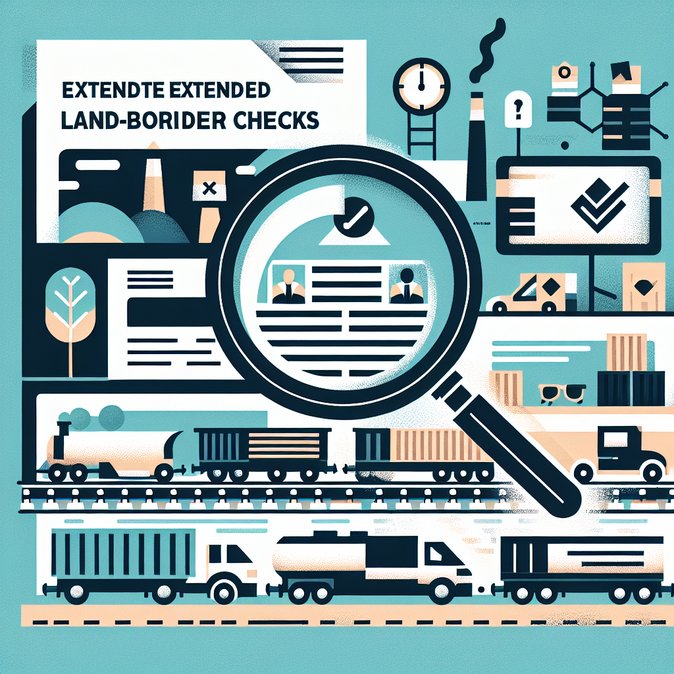
Under the measure, Bundespolizei officers may stop cars, coaches and trains to verify identity documents, onward-travel arrangements and, where relevant, proof of sufficient funds. While most checks are cursory, freight operators report peak-hour tailbacks of several kilometres on the A17 and A4 corridors. Rail operators on the Prague-Berlin route cite delays of up to 30 minutes when full carriages are screened.
The extension pushes Germany to the six-month maximum allowed under Article 25 of the Schengen Borders Code without special authorisation from Brussels, raising questions about what happens after mid-March. Interior Minister Alexander Dobrindt defends the measure as necessary against people-smuggling networks, noting a 35 % drop in irregular entries since checks resumed.
![Germany prolongs land-border checks to 15 March 2026, reaching EU time-limit]()
For travellers unsure about which documents will satisfy officers at the border, VisaHQ can simplify the process by securing the correct German or Schengen travel authorisations and providing real-time updates on rule changes. Its online platform (https://www.visahq.com/germany/) lets corporate mobility teams and individual passengers upload passports, apply for visas and track approvals in one dashboard—minimising the risk of delays when controls tighten without warning.
Corporate mobility teams must advise cross-border commuters to carry passports (not just ID cards) and allow buffer time for meetings. Employers posting staff should also keep A1 certificates and minimum-wage documentation on hand: spot checks have led to referrals to labour inspectors in the past.
Trade bodies such as the German Chambers of Commerce warn that rolling extensions risk normalising an emergency tool and eroding the single market. For now, however, the controls stay—and so does the red tape for business travel.
Under the measure, Bundespolizei officers may stop cars, coaches and trains to verify identity documents, onward-travel arrangements and, where relevant, proof of sufficient funds. While most checks are cursory, freight operators report peak-hour tailbacks of several kilometres on the A17 and A4 corridors. Rail operators on the Prague-Berlin route cite delays of up to 30 minutes when full carriages are screened.
The extension pushes Germany to the six-month maximum allowed under Article 25 of the Schengen Borders Code without special authorisation from Brussels, raising questions about what happens after mid-March. Interior Minister Alexander Dobrindt defends the measure as necessary against people-smuggling networks, noting a 35 % drop in irregular entries since checks resumed.

For travellers unsure about which documents will satisfy officers at the border, VisaHQ can simplify the process by securing the correct German or Schengen travel authorisations and providing real-time updates on rule changes. Its online platform (https://www.visahq.com/germany/) lets corporate mobility teams and individual passengers upload passports, apply for visas and track approvals in one dashboard—minimising the risk of delays when controls tighten without warning.
Corporate mobility teams must advise cross-border commuters to carry passports (not just ID cards) and allow buffer time for meetings. Employers posting staff should also keep A1 certificates and minimum-wage documentation on hand: spot checks have led to referrals to labour inspectors in the past.
Trade bodies such as the German Chambers of Commerce warn that rolling extensions risk normalising an emergency tool and eroding the single market. For now, however, the controls stay—and so does the red tape for business travel.