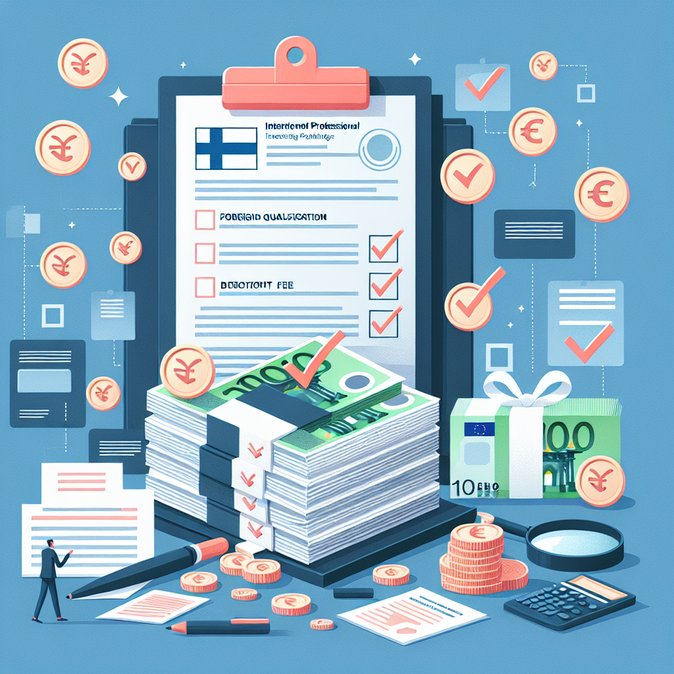
The Finnish Immigration Service (Migri) started 2026 by implementing the largest single-year increase to immigration processing charges in more than a decade. From 00:00 on 1 January 2026, the fee for an electronic permanent-residence application surged 58 percent to €380, while a paper submission now costs €600. First-time work- and study-based residence permits climbed to €750 online and €800 on paper, and even straightforward extensions now attract a €210 charge. Only applications for international protection remain exempt.
Interior-ministry officials said the new tariff is designed to make Migri “cost-neutral” by shifting a greater share of administrative expenses from taxpayers to applicants. Application volumes have fallen by almost 30 percent since 2024 as Finland’s economy cooled, inflating the average per-case cost. According to Migri’s 2025 annual report, personnel expenses now account for 71 percent of the agency’s budget, a proportion the ministry wants to cap at 65 percent through automation and the higher fee income.
To navigate these higher costs and evolving requirements, VisaHQ offers a streamlined, fully digital service for Finnish visas and residence permits. The platform’s step-by-step guidance, pre-submission document checks and real-time status alerts can reduce the risk of costly rejections while giving employers and assignees clear visibility over fees and timelines. Explore VisaHQ’s Finland solutions at https://www.visahq.com/finland/
![Finland Raises Immigration Processing Fees as 2026 Tariff Takes Effect]()
For employers that rely on foreign talent, the higher fees come on top of stricter eligibility criteria that enter into force on 8 January 2026 (longer residence requirements and mandatory language proficiency). A single software engineer relocating with a spouse and two children will now pay €3,100 in government fees for first-time permits—almost double the 2025 outlay. Multinationals are already revisiting mobility budgets and may front-load more costs (for example, covering family permits) to remain competitive in Finland’s tight labour market.
Companies should audit current assignment pipelines immediately: applications submitted before the New Year are processed under the old tariff, but any corrections, re-filings or missing documents filed after 1 January trigger the new fee. Employers should also adjust cost projections for renewals falling due in 2026–27, communicate the changes to assignees, and review whether the higher costs alter the business case for short-term assignments versus local hiring.
Finally, immigration advisers warn that the spike in fees could prompt an uptick in “do-it-yourself” filings, increasing the risk of incomplete applications and longer processing times. HR teams are encouraged to reinforce document-quality checks and provide clearer guidance to mobile employees to avoid costly rejections.
Interior-ministry officials said the new tariff is designed to make Migri “cost-neutral” by shifting a greater share of administrative expenses from taxpayers to applicants. Application volumes have fallen by almost 30 percent since 2024 as Finland’s economy cooled, inflating the average per-case cost. According to Migri’s 2025 annual report, personnel expenses now account for 71 percent of the agency’s budget, a proportion the ministry wants to cap at 65 percent through automation and the higher fee income.
To navigate these higher costs and evolving requirements, VisaHQ offers a streamlined, fully digital service for Finnish visas and residence permits. The platform’s step-by-step guidance, pre-submission document checks and real-time status alerts can reduce the risk of costly rejections while giving employers and assignees clear visibility over fees and timelines. Explore VisaHQ’s Finland solutions at https://www.visahq.com/finland/

For employers that rely on foreign talent, the higher fees come on top of stricter eligibility criteria that enter into force on 8 January 2026 (longer residence requirements and mandatory language proficiency). A single software engineer relocating with a spouse and two children will now pay €3,100 in government fees for first-time permits—almost double the 2025 outlay. Multinationals are already revisiting mobility budgets and may front-load more costs (for example, covering family permits) to remain competitive in Finland’s tight labour market.
Companies should audit current assignment pipelines immediately: applications submitted before the New Year are processed under the old tariff, but any corrections, re-filings or missing documents filed after 1 January trigger the new fee. Employers should also adjust cost projections for renewals falling due in 2026–27, communicate the changes to assignees, and review whether the higher costs alter the business case for short-term assignments versus local hiring.
Finally, immigration advisers warn that the spike in fees could prompt an uptick in “do-it-yourself” filings, increasing the risk of incomplete applications and longer processing times. HR teams are encouraged to reinforce document-quality checks and provide clearer guidance to mobile employees to avoid costly rejections.