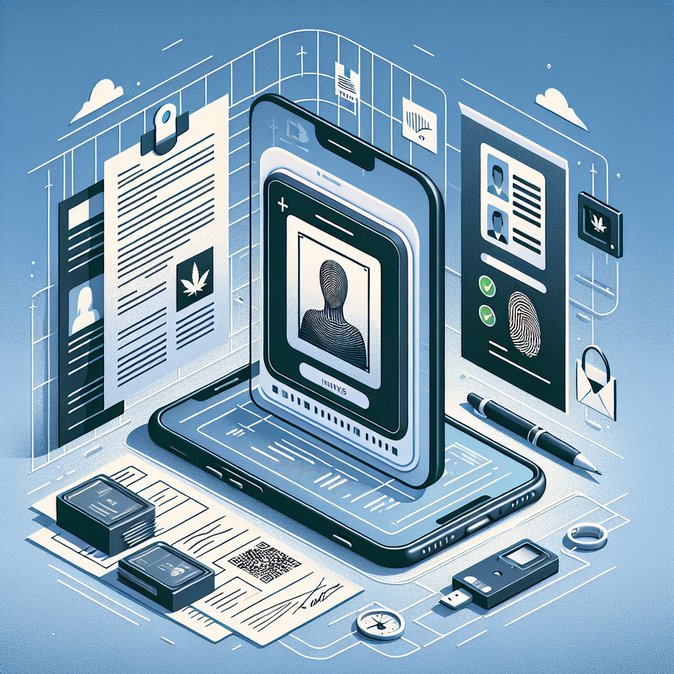
At 00:00 on 1 January 2026 the Czech Interior Ministry switched on a brand-new Act on the Stay of Foreigners, replacing more than seventy piecemeal amendments that had accumulated since EU accession. The centre-piece of the reform is a secure on-line “Foreigner Account” linked to every applicant’s Czech electronic identity (e-ID). Once activated, the account lets foreign nationals submit applications, upload contracts, pay fees, report address changes and request renewals entirely on-line; only one biometric visit to a Client Centre is still required.
For employers the digital workflow promises to cut weeks off standard processing times. HR teams can now track case status in real time instead of waiting for physical letters, and the system automatically flags expiring documents three months in advance. Multinationals piloting the portal during the soft-launch in December reported a 40 % reduction in document rejects thanks to integrated data validation.
Behind the scenes the ministry has migrated more than two million active files to a new cloud platform operated by state IT agency NAKIT. Data are shared with Labour-Office and Police databases in near-real-time, allowing officers to spot double filings or sham contracts earlier. Privacy groups had pushed for an independent audit; the government responded by appointing the national cyber-security agency (NUKIB) to run monthly penetration tests.
![Czech Republic Launches Fully-Digital Immigration System as New Residence Law Enters Into Force]()
VisaHQ’s specialists are already working with companies and individuals to navigate the post-1 January landscape. Whether you need help registering for a Czech e-ID, uploading contracts to the Foreigner Account, or scheduling that single biometric visit, their online platform (https://www.visahq.com/czech-republic/) streamlines every step and flags approaching deadlines, so you stay fully compliant.
Practical implications: foreign assignees arriving after 1 January must obtain a Czech e-ID as soon as they receive their birth-number (rodné číslo). Companies should update onboarding materials and train staff on the mandatory two-factor login. Legacy paper applications filed before 31 December will continue under the old rules but can be ported into the new account once a decision is issued.
Longer term, Prague hopes the all-digital model will burnish its credentials as a regional tech hub and help lure more high-skilled migrants. A second release planned for April will add an English interface and API connections for accredited relocation vendors.
For employers the digital workflow promises to cut weeks off standard processing times. HR teams can now track case status in real time instead of waiting for physical letters, and the system automatically flags expiring documents three months in advance. Multinationals piloting the portal during the soft-launch in December reported a 40 % reduction in document rejects thanks to integrated data validation.
Behind the scenes the ministry has migrated more than two million active files to a new cloud platform operated by state IT agency NAKIT. Data are shared with Labour-Office and Police databases in near-real-time, allowing officers to spot double filings or sham contracts earlier. Privacy groups had pushed for an independent audit; the government responded by appointing the national cyber-security agency (NUKIB) to run monthly penetration tests.

VisaHQ’s specialists are already working with companies and individuals to navigate the post-1 January landscape. Whether you need help registering for a Czech e-ID, uploading contracts to the Foreigner Account, or scheduling that single biometric visit, their online platform (https://www.visahq.com/czech-republic/) streamlines every step and flags approaching deadlines, so you stay fully compliant.
Practical implications: foreign assignees arriving after 1 January must obtain a Czech e-ID as soon as they receive their birth-number (rodné číslo). Companies should update onboarding materials and train staff on the mandatory two-factor login. Legacy paper applications filed before 31 December will continue under the old rules but can be ported into the new account once a decision is issued.
Longer term, Prague hopes the all-digital model will burnish its credentials as a regional tech hub and help lure more high-skilled migrants. A second release planned for April will add an English interface and API connections for accredited relocation vendors.