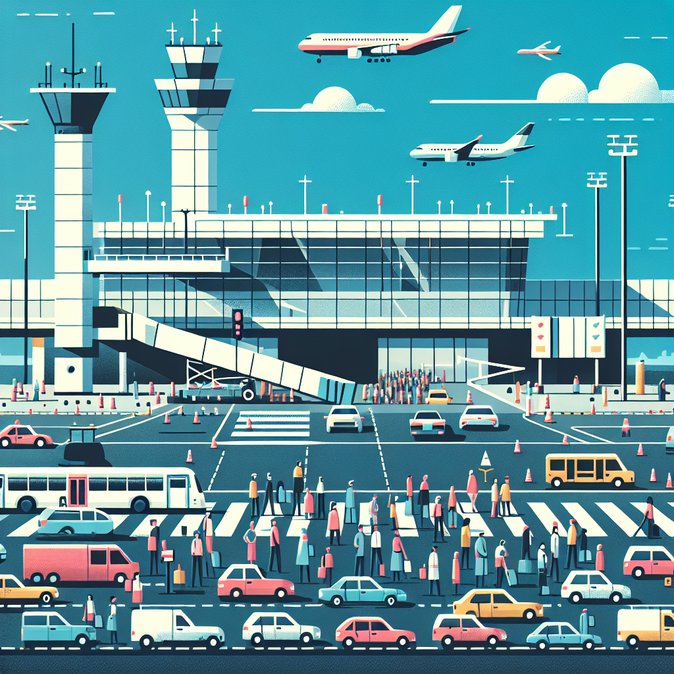
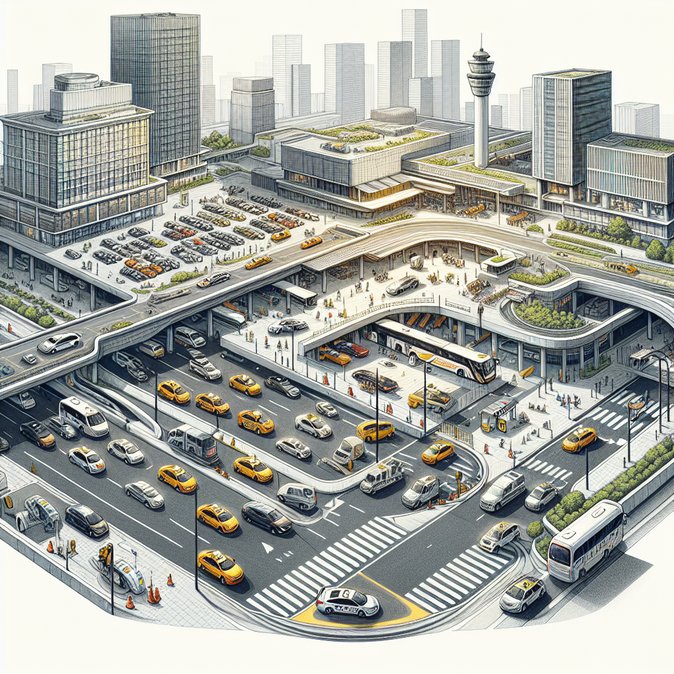
Travellers arriving at Larnaca International Airport on the morning of 2 January experienced unexpected post-flight delays when the terminal’s temporary pick-up zone reached full capacity, forcing police to redirect private cars to overflow parking lots. The logjam created tailbacks along the airport perimeter road and led to reports of passengers waiting more than 40 minutes for rides.
Hermes Airports blamed the crunch on a surge of returning holidaymakers combined with ongoing construction that has reduced kerb-side space by a third. Ride-hailing apps exacerbated the problem as multiple drivers circled the terminal simultaneously instead of staging in the designated holding area.
While visas weren’t the cause of the congestion, travellers can at least simplify their paperwork before arriving in Cyprus. VisaHQ (https://www.visahq.com/cyprus/) offers an easy online service that checks entry requirements, processes visa applications and provides real-time status updates, allowing passengers to focus on ground-transport logistics rather than last-minute documentation worries.
![Vehicle Pick-Up Bottleneck Causes Hour-Long Delays Outside Larnaca Airport]()
For corporate mobility managers the incident is a reminder that ground-transport planning matters as much as flight schedules. Chauffeur firms with pre-booked landside parking fared better, while self-drive assignees were advised to delay pick-up or use short-stay car parks.
Hermes has since installed variable-message signs guiding drivers to real-time capacity updates and is considering a pre-booked e-ticketing system similar to those at Heathrow and Schiphol. Until then, travellers should allow extra buffer time when scheduling onward meetings or connecting inter-city transfers.
Although minor compared with flight cancellations, landside congestion can erode traveller satisfaction scores and trigger knock-on costs such as overtime for waiting drivers—issues that global mobility teams increasingly track in their KPIs.
Hermes Airports blamed the crunch on a surge of returning holidaymakers combined with ongoing construction that has reduced kerb-side space by a third. Ride-hailing apps exacerbated the problem as multiple drivers circled the terminal simultaneously instead of staging in the designated holding area.
While visas weren’t the cause of the congestion, travellers can at least simplify their paperwork before arriving in Cyprus. VisaHQ (https://www.visahq.com/cyprus/) offers an easy online service that checks entry requirements, processes visa applications and provides real-time status updates, allowing passengers to focus on ground-transport logistics rather than last-minute documentation worries.
For corporate mobility managers the incident is a reminder that ground-transport planning matters as much as flight schedules. Chauffeur firms with pre-booked landside parking fared better, while self-drive assignees were advised to delay pick-up or use short-stay car parks.
Hermes has since installed variable-message signs guiding drivers to real-time capacity updates and is considering a pre-booked e-ticketing system similar to those at Heathrow and Schiphol. Until then, travellers should allow extra buffer time when scheduling onward meetings or connecting inter-city transfers.
Although minor compared with flight cancellations, landside congestion can erode traveller satisfaction scores and trigger knock-on costs such as overtime for waiting drivers—issues that global mobility teams increasingly track in their KPIs.