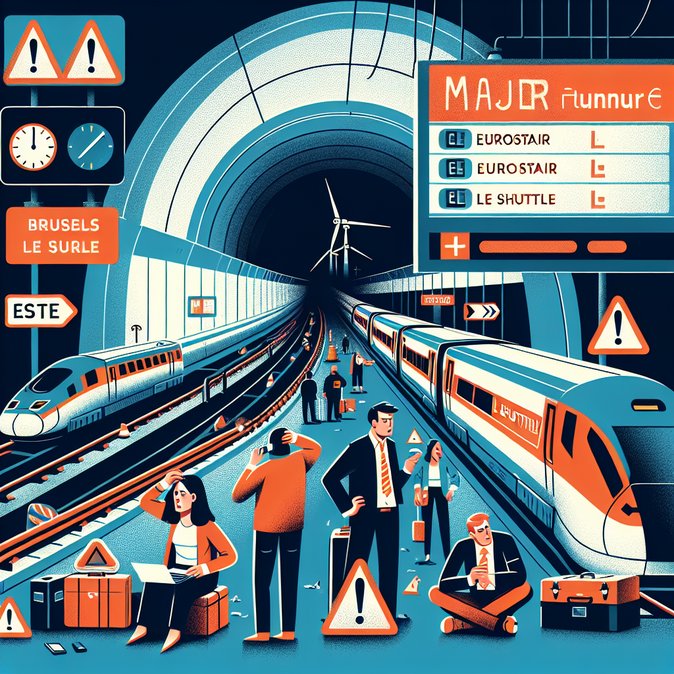
A New-Year’s-Eve power failure inside the Channel Tunnel immobilised four trains and forced Eurostar and Le Shuttle to suspend services for more than ten hours, leaving thousands of passengers stranded. Limited traffic resumed in the early hours of 1 January 2026, but Eurostar warned of “substantial residual delays and short-notice cancellations” that spilled into the evening of 2 January. Brussels-South (Midi) station displayed average three-hour holdups as crews cleared the backlog.
The incident originated on the UK side yet caused signalling faults along the entire 50-kilometre under-sea link. One London-to-Lille service arrived 11 hours late after ventilation and lavatory systems failed when auxiliary power drained. Criticism of Eurostar’s high fares and limited capacity has intensified as business travellers question the route’s resilience.
Corporate travel managers scrambled to rebook executives due in Brussels for 2 January board meetings, shifting passengers onto Thalys services or short-haul flights via Paris and Amsterdam. Logistics providers reported minimal freight backlog, but supply-chain experts warn that even a 24-hour disruption can ripple through just-in-time production at Belgian automotive and pharma plants.
![Channel-Tunnel Power Failure Triggers 24-Hour Chaos on Brussels–London Corridor]()
For travelers who suddenly need to arrange or amend travel documents—particularly multi-entry Schengen visas—VisaHQ provides fast, online assistance. Its Belgium page (https://www.visahq.com/belgium/) outlines current requirements and can expedite processing, offering a useful safety net when itineraries change at the last minute because of tunnel or airline disruptions.
The event highlights how a single infrastructure failure outside Belgium can paralyse its key business corridor with the UK. Mobility teams should ensure travellers hold multi-entry Schengen visas in case rerouting through airports is required and keep contingency budgets for last-minute hotel nights.
Tunnel operator Getlink has pledged a joint incident-response drill with UK Network Rail and Belgium’s Infrabel before the Easter peak. Until then, experts recommend buying flexible tickets and avoiding tight same-day meeting schedules.
The incident originated on the UK side yet caused signalling faults along the entire 50-kilometre under-sea link. One London-to-Lille service arrived 11 hours late after ventilation and lavatory systems failed when auxiliary power drained. Criticism of Eurostar’s high fares and limited capacity has intensified as business travellers question the route’s resilience.
Corporate travel managers scrambled to rebook executives due in Brussels for 2 January board meetings, shifting passengers onto Thalys services or short-haul flights via Paris and Amsterdam. Logistics providers reported minimal freight backlog, but supply-chain experts warn that even a 24-hour disruption can ripple through just-in-time production at Belgian automotive and pharma plants.
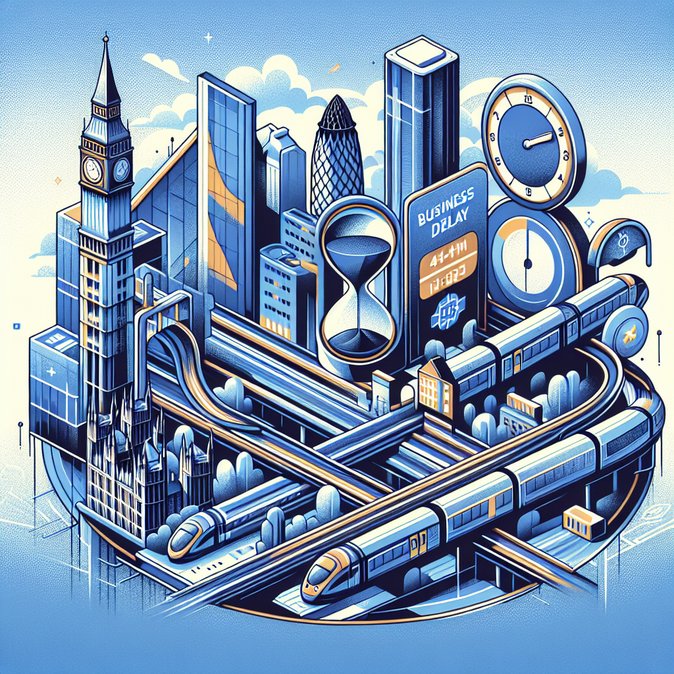
For travelers who suddenly need to arrange or amend travel documents—particularly multi-entry Schengen visas—VisaHQ provides fast, online assistance. Its Belgium page (https://www.visahq.com/belgium/) outlines current requirements and can expedite processing, offering a useful safety net when itineraries change at the last minute because of tunnel or airline disruptions.
The event highlights how a single infrastructure failure outside Belgium can paralyse its key business corridor with the UK. Mobility teams should ensure travellers hold multi-entry Schengen visas in case rerouting through airports is required and keep contingency budgets for last-minute hotel nights.
Tunnel operator Getlink has pledged a joint incident-response drill with UK Network Rail and Belgium’s Infrabel before the Easter peak. Until then, experts recommend buying flexible tickets and avoiding tight same-day meeting schedules.