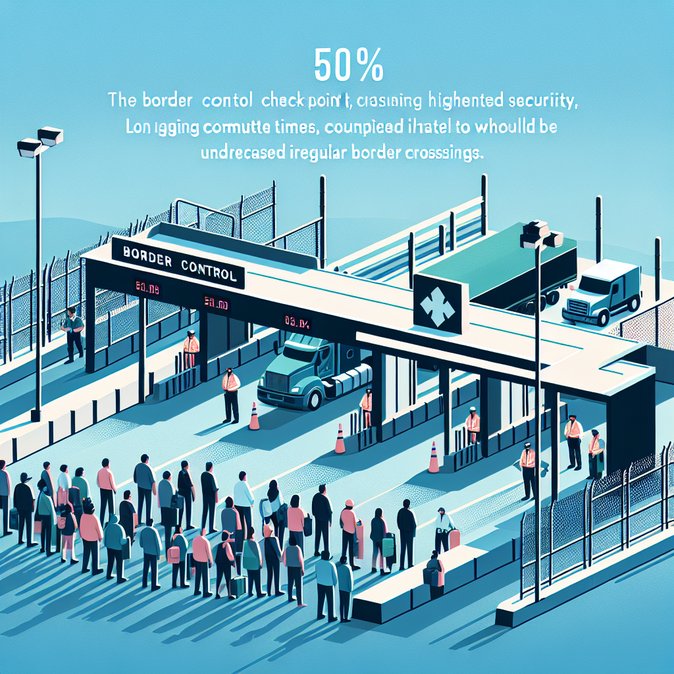
Germany’s decision to re-introduce full border controls in September 2024 is yielding tangible results: Federal Police figures released on 1 January 2026 show only 62,526 illegal entries in 2025—down from 83,572 in 2024 and a staggering 127,549 in 2023.
December 2025 alone registered roughly 4,600 unauthorised crossings, the lowest monthly total since 2021. Authorities credit on-site document checks, mobile patrols and instant turn-backs for the decline; more than 46,000 would-be entrants were refused entry or pushed back under bilateral readmission rules. More than 2,500 people were stopped because of re-entry bans, and nearly 2,000 suspected smugglers were arrested.
For travellers and employers trying to navigate these shifting requirements, VisaHQ offers a convenient one-stop portal. Through its Germany-dedicated page (https://www.visahq.com/germany/) the service provides up-to-date visa guidance, digital document reviews and application support, helping visitors avoid last-minute surprises at the checkpoint.
![Border-control extension slashes irregular entries into Germany]()
Interior Minister Alexander Dobrindt doubled down in May 2025, instructing officers to reject asylum-seekers at the frontier unless they belong to vulnerable groups. Since that tightening, 33,338 further attempts were detected, but most were turned away within hours.
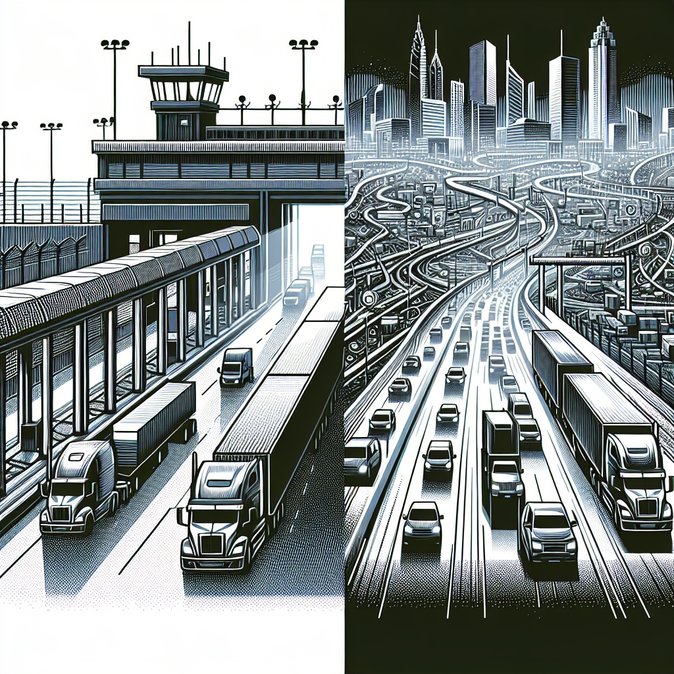
The tougher stance has political backing from regional leaders worried about housing shortages and integration costs, yet critics argue it undermines the EU’s Schengen ideals and jeopardises refugees’ right to seek protection. Business-travel analysts note that while freight flows remain largely unaffected, cross-border commuters from Austria, Czechia and Poland continue to face longer queues—an operational headache for manufacturing plants near the frontier.
Multinationals with staff shuttling across borders should advise early-morning travellers to carry passports (not just ID cards) and to factor in an extra 30–45 minutes for checks at busy crossings like Kufstein and Görlitz.
December 2025 alone registered roughly 4,600 unauthorised crossings, the lowest monthly total since 2021. Authorities credit on-site document checks, mobile patrols and instant turn-backs for the decline; more than 46,000 would-be entrants were refused entry or pushed back under bilateral readmission rules. More than 2,500 people were stopped because of re-entry bans, and nearly 2,000 suspected smugglers were arrested.
For travellers and employers trying to navigate these shifting requirements, VisaHQ offers a convenient one-stop portal. Through its Germany-dedicated page (https://www.visahq.com/germany/) the service provides up-to-date visa guidance, digital document reviews and application support, helping visitors avoid last-minute surprises at the checkpoint.
Interior Minister Alexander Dobrindt doubled down in May 2025, instructing officers to reject asylum-seekers at the frontier unless they belong to vulnerable groups. Since that tightening, 33,338 further attempts were detected, but most were turned away within hours.
The tougher stance has political backing from regional leaders worried about housing shortages and integration costs, yet critics argue it undermines the EU’s Schengen ideals and jeopardises refugees’ right to seek protection. Business-travel analysts note that while freight flows remain largely unaffected, cross-border commuters from Austria, Czechia and Poland continue to face longer queues—an operational headache for manufacturing plants near the frontier.
Multinationals with staff shuttling across borders should advise early-morning travellers to carry passports (not just ID cards) and to factor in an extra 30–45 minutes for checks at busy crossings like Kufstein and Görlitz.