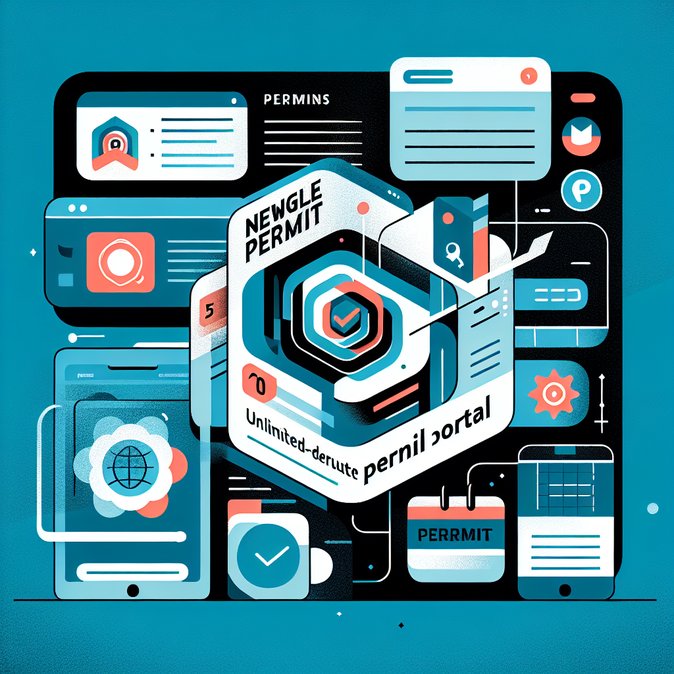
The Flemish Region’s long-awaited overhaul of its economic-migration framework quietly went live on 2 January 2026, when the upgraded online Single-Permit portal opened for submissions under legislation that took effect on New Year’s Day. Employers can now file both fixed-term permits and—crucially—applications for unlimited-duration Single Permits through a single digital front door.
The reform harmonises Flemish practice with Brussels, Wallonia and the German-speaking Community while introducing tighter criteria for some medium-skilled roles. Among the headline changes: new document-upload standards, an integrated mandate (Mahis) workflow for third-party representatives and automated data-sharing with Belgium’s national social-security database.
Because the portal was offline on 1 January, companies that paused filings over the holidays now face a 48-hour backlog. Regional officials advise HR teams to clear browser cookies and use eID signatures to avoid login errors during the first week. Processing-time targets remain 60 days, but the government warns of “learning-curve” delays this month.
![Flanders Launches New Single-Permit Portal as 2026 Work-Permit Rules Enter Force]()
For organisations that would rather outsource the learning curve, VisaHQ can streamline the entire process. Its Belgium specialists (https://www.visahq.com/belgium/) handle mandate drafting, document collation and direct portal uploads, giving employers real-time dashboard visibility into each application’s status—an especially handy safeguard while the new system beds in.
For global-mobility managers, the practical implications are twofold. First, assignments scheduled for March start-dates should be lodged immediately to absorb any teething issues. Second, the new system finally allows applications for indefinite-duration permits online, reducing mid-career paperwork for long-term assignees who qualify after five years of residence and work.
Employers unfamiliar with the Flemish interface should invest in quick refresher training and ensure power-of-attorney mandates are correctly uploaded; incomplete or mismatched mandates are the main cause of technical rejections.
The reform harmonises Flemish practice with Brussels, Wallonia and the German-speaking Community while introducing tighter criteria for some medium-skilled roles. Among the headline changes: new document-upload standards, an integrated mandate (Mahis) workflow for third-party representatives and automated data-sharing with Belgium’s national social-security database.
Because the portal was offline on 1 January, companies that paused filings over the holidays now face a 48-hour backlog. Regional officials advise HR teams to clear browser cookies and use eID signatures to avoid login errors during the first week. Processing-time targets remain 60 days, but the government warns of “learning-curve” delays this month.

For organisations that would rather outsource the learning curve, VisaHQ can streamline the entire process. Its Belgium specialists (https://www.visahq.com/belgium/) handle mandate drafting, document collation and direct portal uploads, giving employers real-time dashboard visibility into each application’s status—an especially handy safeguard while the new system beds in.
For global-mobility managers, the practical implications are twofold. First, assignments scheduled for March start-dates should be lodged immediately to absorb any teething issues. Second, the new system finally allows applications for indefinite-duration permits online, reducing mid-career paperwork for long-term assignees who qualify after five years of residence and work.
Employers unfamiliar with the Flemish interface should invest in quick refresher training and ensure power-of-attorney mandates are correctly uploaded; incomplete or mismatched mandates are the main cause of technical rejections.