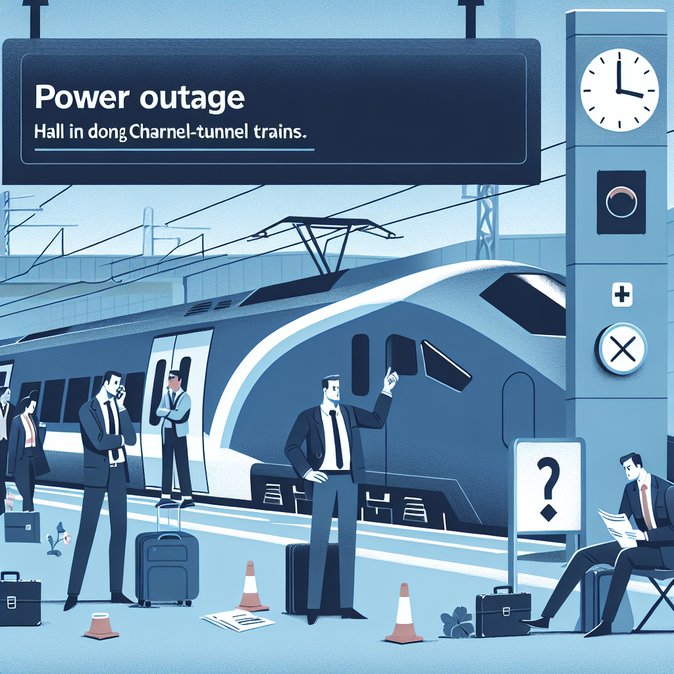
Belgium’s first major labour confrontation of 2026 is already on the calendar: rail unions CGSP-Cheminots / ACOD-Spoor and ACV-Transcom announced on 31 December a five-day nationwide strike from Monday 26 to Friday 30 January. The formal strike notice will be filed during the week of 5 January, but union leaders describe the move as “irrevocable” unless the federal government withdraws contested rail-reform plans.
At issue is the cabinet’s decision to abolish civil-service status for new recruits at passenger operator SNCB/NMBS and infrastructure manager Infrabel from mid-2026, alongside rule changes allowing HR Rail to impose decisions if social-dialogue committees fail to reach a two-thirds majority. Unions say the package undermines job security, pensions and collective bargaining; the government argues it is necessary to align Belgium with EU rail-liberalisation rules.
Previous 24-hour stoppages in 2025 slashed service to 25 % and cost employers an estimated €12 million a day in lost productivity. A full working-week walkout would disrupt 900,000 daily passenger journeys and key freight corridors linking Zeebrugge, Antwerp and the German Ruhr. Multinationals with manufacturing plants in Flanders are dusting off contingency plans that include charter buses, car-rental pools and remote-work directives.
![Belgian Rail Unions Schedule 26-30 January Strike, Threatening Commuter and Cargo Flows]()
From a global-mobility standpoint, the strike coincides with the annual rotation of expatriates and a spike in kick-off meetings. HR teams should map critical journeys, secure hotel allocations near worksites and brief non-EU assignees on visa-overstay risks if itinerary changes extend their Schengen stay.
If uncertainties around rail travel force last-minute itinerary changes, companies can lean on VisaHQ’s Belgium specialists (https://www.visahq.com/belgium/) to fast-track any additional visa, passport or legalization needs that arise—especially for employees rerouting through alternative Schengen hubs or extending stays beyond planned exit dates. Their online platform streamlines document collection and appointment scheduling, helping mobility managers keep projects on track even when transport disruptions upend carefully laid plans.
Negotiations may continue, but observers see little room for compromise before 26 January. Mobility managers should assume significant rail disruption and lock in alternative ground or air capacity by mid-month.
At issue is the cabinet’s decision to abolish civil-service status for new recruits at passenger operator SNCB/NMBS and infrastructure manager Infrabel from mid-2026, alongside rule changes allowing HR Rail to impose decisions if social-dialogue committees fail to reach a two-thirds majority. Unions say the package undermines job security, pensions and collective bargaining; the government argues it is necessary to align Belgium with EU rail-liberalisation rules.
Previous 24-hour stoppages in 2025 slashed service to 25 % and cost employers an estimated €12 million a day in lost productivity. A full working-week walkout would disrupt 900,000 daily passenger journeys and key freight corridors linking Zeebrugge, Antwerp and the German Ruhr. Multinationals with manufacturing plants in Flanders are dusting off contingency plans that include charter buses, car-rental pools and remote-work directives.

From a global-mobility standpoint, the strike coincides with the annual rotation of expatriates and a spike in kick-off meetings. HR teams should map critical journeys, secure hotel allocations near worksites and brief non-EU assignees on visa-overstay risks if itinerary changes extend their Schengen stay.
If uncertainties around rail travel force last-minute itinerary changes, companies can lean on VisaHQ’s Belgium specialists (https://www.visahq.com/belgium/) to fast-track any additional visa, passport or legalization needs that arise—especially for employees rerouting through alternative Schengen hubs or extending stays beyond planned exit dates. Their online platform streamlines document collection and appointment scheduling, helping mobility managers keep projects on track even when transport disruptions upend carefully laid plans.
Negotiations may continue, but observers see little room for compromise before 26 January. Mobility managers should assume significant rail disruption and lock in alternative ground or air capacity by mid-month.