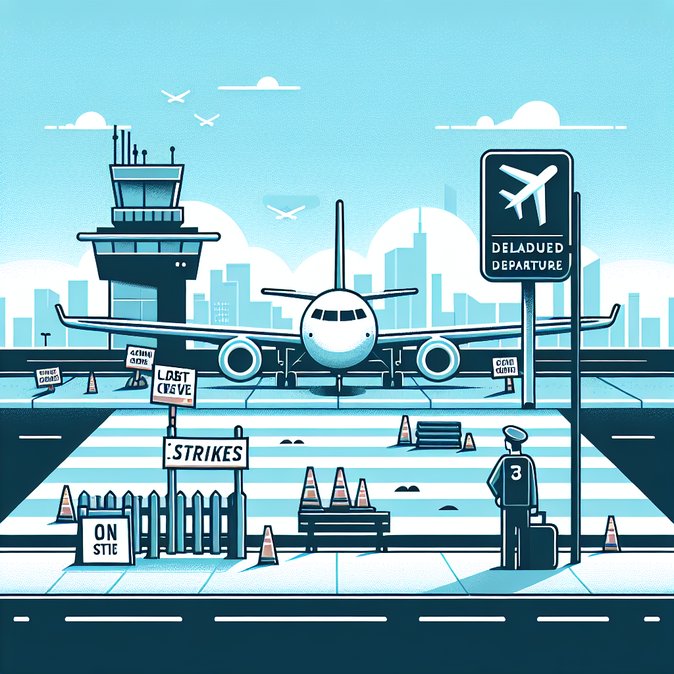
Travellers planning to fly into or out of France on New Year’s Day face potential disruption after the UNAC cabin-crew union filed a 24-hour strike notice against easyJet for 1 January 2026. Although UNAC represents only a minority of the airline’s French-based crews, it has called for “zéro décollage” (zero take-offs) from the carrier’s six French bases—Paris-Orly, Paris-Charles-de-Gaulle, Nice, Lyon, Bordeaux and Nantes. The move follows the breakdown of mandatory annual negotiations over scheduling, which crews say has become increasingly erratic, leading to last-minute roster changes, fatigue and difficulties balancing family life.
EasyJet has said it intends to operate “the majority” of its programme but has warned that early-morning departures are most at risk because crew shortages at the start of the day can cascade through the network. Passengers on affected flights were contacted on 31 December with options to re-route or obtain refunds, but the airline is urging all travellers to monitor flight status closely. Under EU Regulation 261/2004, compensation may be due because the stoppage is an internal labour dispute rather than an ‘extraordinary circumstance.’
For corporate travel managers the timing is awkward: 1 January is one of the busiest return-to-work peaks for multinational staff after the holiday break. Travellers connecting via France to Africa and the Middle East—important markets for energy, construction and NGO sectors—could see missed onward flights. Firms with time-sensitive assignments are being advised to build in additional lay-over time, activate travel-risk alerts and confirm that travel-insurance policies cover strike-related costs.
![France: easyJet cabin-crew strike threatens New-Year travel on 1 January 2026]()
Should itineraries change at short notice, it’s wise to double-check visa validity—especially for non-EU passport holders who may decide to transit or stay longer in the Schengen Area while awaiting a rebooked flight. VisaHQ can streamline that process: its France portal (https://www.visahq.com/france/) lets travellers and mobility teams arrange or extend Schengen, transit and work visas online, with live status tracking and support staff who can fast-track urgent submissions when trips are disrupted.
The dispute also highlights a broader trend of labour unrest in Europe’s aviation sector as carriers ramp up schedules but struggle with crew shortages, higher costs and regulatory pressures to reduce carbon emissions. EasyJet’s French crews secured a 7 % pay rise in 2025, but UNAC argues this has been offset by longer duty days. If the 1-January walk-out gains support from larger unions such as SNPNC, further action later in the winter cannot be ruled out.
Practical advice for travellers includes using the airline’s app for live updates, carrying hand luggage only in case of overnight stays, and being aware that rail alternatives such as TGV and Eurostar may already be busy due to the separate Channel-Tunnel disruption (see story below). Employers should remind mobile employees that strike-related delays do not automatically extend Schengen visa allowances, and over-stay penalties still apply.
EasyJet has said it intends to operate “the majority” of its programme but has warned that early-morning departures are most at risk because crew shortages at the start of the day can cascade through the network. Passengers on affected flights were contacted on 31 December with options to re-route or obtain refunds, but the airline is urging all travellers to monitor flight status closely. Under EU Regulation 261/2004, compensation may be due because the stoppage is an internal labour dispute rather than an ‘extraordinary circumstance.’
For corporate travel managers the timing is awkward: 1 January is one of the busiest return-to-work peaks for multinational staff after the holiday break. Travellers connecting via France to Africa and the Middle East—important markets for energy, construction and NGO sectors—could see missed onward flights. Firms with time-sensitive assignments are being advised to build in additional lay-over time, activate travel-risk alerts and confirm that travel-insurance policies cover strike-related costs.

Should itineraries change at short notice, it’s wise to double-check visa validity—especially for non-EU passport holders who may decide to transit or stay longer in the Schengen Area while awaiting a rebooked flight. VisaHQ can streamline that process: its France portal (https://www.visahq.com/france/) lets travellers and mobility teams arrange or extend Schengen, transit and work visas online, with live status tracking and support staff who can fast-track urgent submissions when trips are disrupted.
The dispute also highlights a broader trend of labour unrest in Europe’s aviation sector as carriers ramp up schedules but struggle with crew shortages, higher costs and regulatory pressures to reduce carbon emissions. EasyJet’s French crews secured a 7 % pay rise in 2025, but UNAC argues this has been offset by longer duty days. If the 1-January walk-out gains support from larger unions such as SNPNC, further action later in the winter cannot be ruled out.
Practical advice for travellers includes using the airline’s app for live updates, carrying hand luggage only in case of overnight stays, and being aware that rail alternatives such as TGV and Eurostar may already be busy due to the separate Channel-Tunnel disruption (see story below). Employers should remind mobile employees that strike-related delays do not automatically extend Schengen visa allowances, and over-stay penalties still apply.