Early-morning fog and Saharan dust reduced visibility at Larnaca International Airport to below 400 metres on 31 December, prompting air-traffic control to divert four inbound flights—two from Athens, one from Dubai and one from Vienna—to Paphos, 130 kilometres to the west. Operations resumed within two hours, but knock-on delays affected some departing services throughout the day.
Airport operator Hermes Airports said the diversions were executed under established low-visibility procedures and that passengers were bused to Larnaca once conditions improved. Meteorologists at the Department of Civil Aviation blamed an inversion layer that trapped dust particles over the south-east coast, a phenomenon expected to recur periodically until mid-January.
Before booking any flights, travellers should also make sure their paperwork is in order. VisaHQ’s Cyprus portal (https://www.visahq.com/cyprus/) provides a fast visa-eligibility check, step-by-step application guidance and real-time status updates, helping visitors avoid last-minute document issues that could compound any weather-related delays.
![Thick Fog Forces Diversion of Four Larnaca Flights to Paphos on New Year’s Eve]()
For travellers, the incident is a reminder that weather volatility can disrupt Cyprus’ two-airport system, with Paphos acting as the chief diversionary field. Corporates with holiday-season assignees or fly-in contractors should build contingency time into itineraries and ensure that tickets allow for arrival at an alternate Cypriot airport.
Hermes said it is accelerating the installation of a second category-III instrument-landing-system (ILS) array at Larnaca in 2026, a €12 million upgrade that will enable operations down to 200 metres visibility and cut future diversions by an estimated 60 %.
While the disruption was minor, it illustrates the growing strain on Larnaca, which handled a record 6.9 million passengers in 2025. Mobility planners should track infrastructure upgrades and seasonal weather advisories when scheduling time-sensitive travel to Cyprus.
Airport operator Hermes Airports said the diversions were executed under established low-visibility procedures and that passengers were bused to Larnaca once conditions improved. Meteorologists at the Department of Civil Aviation blamed an inversion layer that trapped dust particles over the south-east coast, a phenomenon expected to recur periodically until mid-January.
Before booking any flights, travellers should also make sure their paperwork is in order. VisaHQ’s Cyprus portal (https://www.visahq.com/cyprus/) provides a fast visa-eligibility check, step-by-step application guidance and real-time status updates, helping visitors avoid last-minute document issues that could compound any weather-related delays.
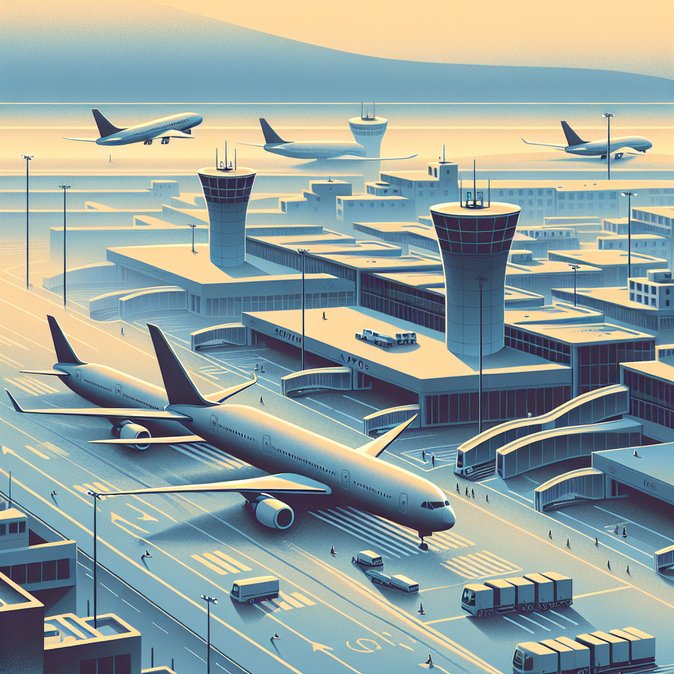
For travellers, the incident is a reminder that weather volatility can disrupt Cyprus’ two-airport system, with Paphos acting as the chief diversionary field. Corporates with holiday-season assignees or fly-in contractors should build contingency time into itineraries and ensure that tickets allow for arrival at an alternate Cypriot airport.
Hermes said it is accelerating the installation of a second category-III instrument-landing-system (ILS) array at Larnaca in 2026, a €12 million upgrade that will enable operations down to 200 metres visibility and cut future diversions by an estimated 60 %.
While the disruption was minor, it illustrates the growing strain on Larnaca, which handled a record 6.9 million passengers in 2025. Mobility planners should track infrastructure upgrades and seasonal weather advisories when scheduling time-sensitive travel to Cyprus.