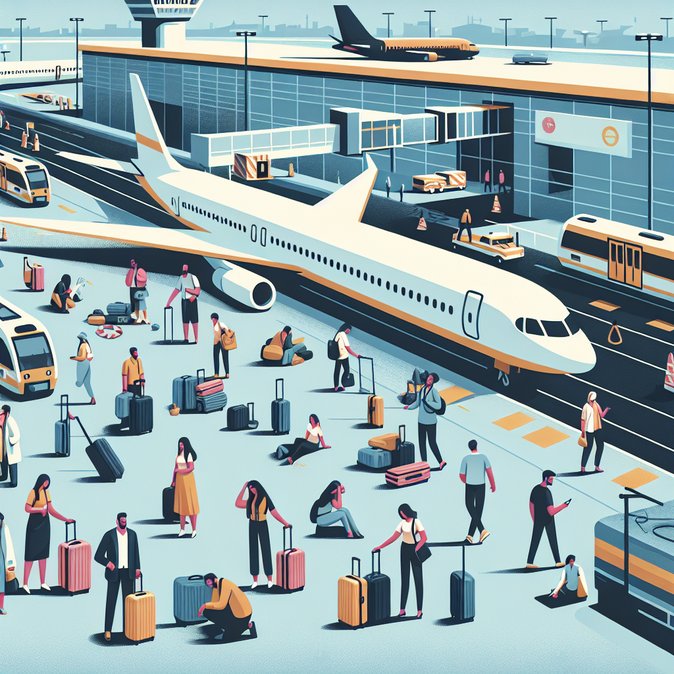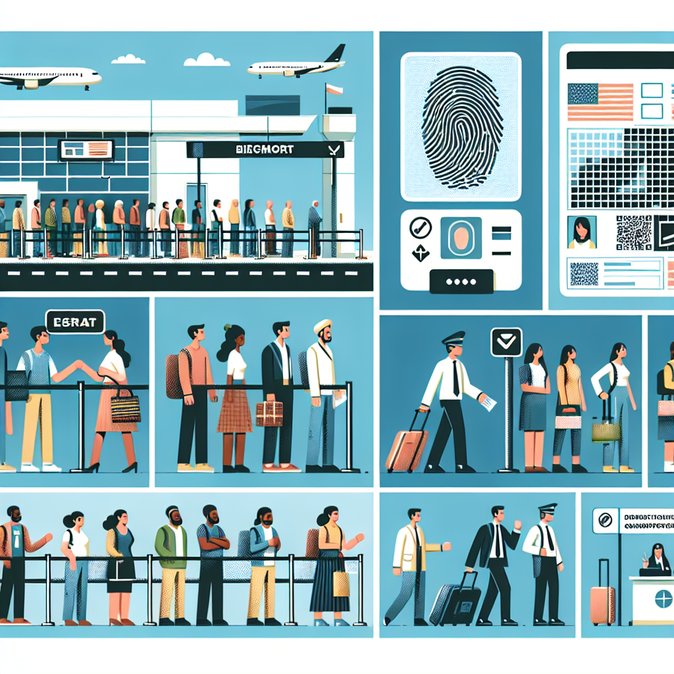
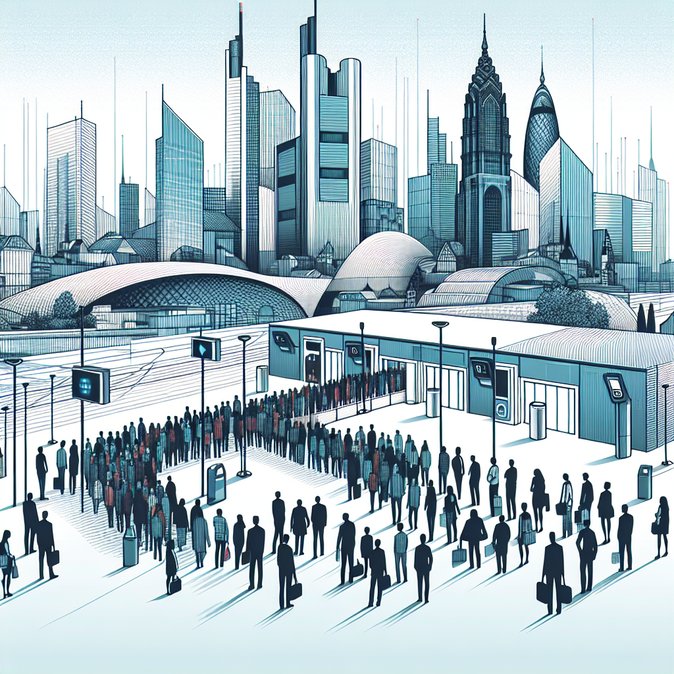
The post-Christmas travel lull turned into a nightmare for thousands of passengers transiting Germany’s two largest hubs on 30 December, as the phased roll-out of the EU’s new Entry/Exit System (EES) collided with peak holiday traffic. Frankfurt-Main and Munich Airports, which had switched a growing share of third-country passengers to self-service kiosks that capture fingerprints and facial scans, saw queues stretching for hours when many of the machines failed to cope with the volume.
At Frankfurt, travellers reported waiting more than two hours at automated gates before being redirected to understaffed manual counters, forcing Lufthansa to delay several connecting flights. Munich fared little better: ground handlers added staff, but the biometric hardware itself proved the bottleneck. Airport operator Fraport said checkpoint staffing had already been increased by 20 %, yet throughput remained far below normal because “first-time” scans take significantly longer.
Under the EU regulation, every non-EU national must provide four fingerprints and a facial image the first time they enter the Schengen Area after the system goes live. Once the data are stored, subsequent crossings should be quicker – but the initial enrolment phase is proving painful.
![Biometric Entry/Exit System causes holiday chaos at Frankfurt and Munich airports]()
Travel managers looking for extra support during this transition can tap VisaHQ’s Germany portal (https://www.visahq.com/germany/), which offers real-time updates on Schengen entry rules, guidance on biometric enrolment, and expedited visa assistance. The service can pre-screen documentation, flag impending passport expirations, and send alerts when EES procedures change—helping companies keep itineraries on track despite the turbulence.
Corporate mobility teams are therefore advising assignees and visitors to schedule a minimum three-hour connection if their first Schengen entry point is Frankfurt or Munich.
Airlines and industry associations are pressing the federal police to ease fingerprint requirements during the New-Year rush, but Berlin insists the biometric data are critical for detecting overstays and identity fraud. Until software updates arrive in mid-January, companies with time-sensitive travellers are considering rerouting via Zurich, Copenhagen or Vienna.
Practical tips: pre-check whether staff have already supplied EES biometrics on an earlier trip; book fast-track services where available; brief travellers that passport stamps are disappearing and that the kiosk photograph replaces the old ink stamp for proof of entry.
At Frankfurt, travellers reported waiting more than two hours at automated gates before being redirected to understaffed manual counters, forcing Lufthansa to delay several connecting flights. Munich fared little better: ground handlers added staff, but the biometric hardware itself proved the bottleneck. Airport operator Fraport said checkpoint staffing had already been increased by 20 %, yet throughput remained far below normal because “first-time” scans take significantly longer.
Under the EU regulation, every non-EU national must provide four fingerprints and a facial image the first time they enter the Schengen Area after the system goes live. Once the data are stored, subsequent crossings should be quicker – but the initial enrolment phase is proving painful.
Travel managers looking for extra support during this transition can tap VisaHQ’s Germany portal (https://www.visahq.com/germany/), which offers real-time updates on Schengen entry rules, guidance on biometric enrolment, and expedited visa assistance. The service can pre-screen documentation, flag impending passport expirations, and send alerts when EES procedures change—helping companies keep itineraries on track despite the turbulence.
Corporate mobility teams are therefore advising assignees and visitors to schedule a minimum three-hour connection if their first Schengen entry point is Frankfurt or Munich.
Airlines and industry associations are pressing the federal police to ease fingerprint requirements during the New-Year rush, but Berlin insists the biometric data are critical for detecting overstays and identity fraud. Until software updates arrive in mid-January, companies with time-sensitive travellers are considering rerouting via Zurich, Copenhagen or Vienna.
Practical tips: pre-check whether staff have already supplied EES biometrics on an earlier trip; book fast-track services where available; brief travellers that passport stamps are disappearing and that the kiosk photograph replaces the old ink stamp for proof of entry.