Travellers returning from the festive break faced a wave of disruption on 27 December that continued to reverberate through Brussels Airport over the weekend. Data compiled by passenger-rights specialist AirHelp show 740 delayed and 43 cancelled flights across five major hubs – Amsterdam Schiphol, London Heathrow, Paris Charles de Gaulle, Oslo Gardermoen and Brussels Zaventem. The consolidated bulletin, published in the early hours of 29 December, confirms that operational bottlenecks rather than weather were the primary cause, affecting airlines such as British Airways, KLM and Air France.
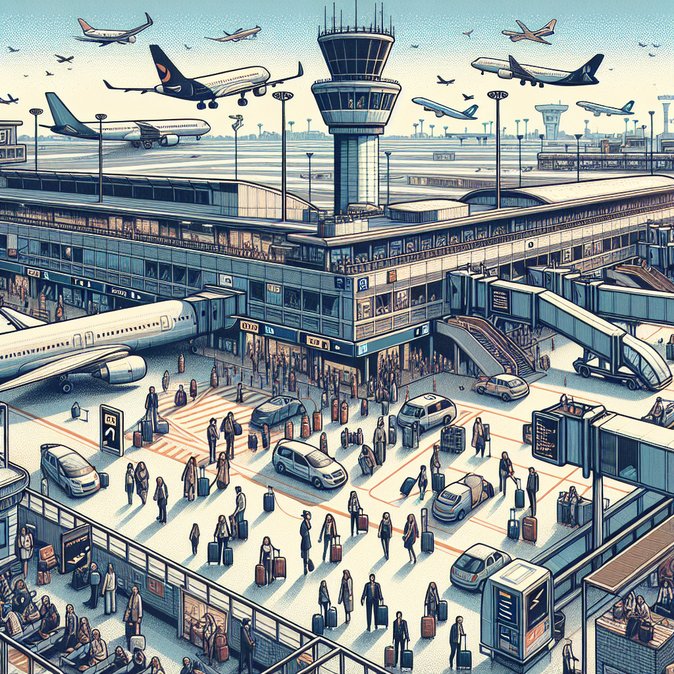
At Brussels, ground-handling resource constraints coincided with record holiday traffic: more than 72 000 passengers are scheduled to pass through the terminal today alone. Knock-on delays averaged 54 minutes, according to airport-operations dashboards, with several evening departures pushed into the small hours. Airlines scrambled to tow wide-body aircraft to remote stands and bus passengers to immigration to free up contact gates.
![Holiday ripple effect: 740 flight delays and 43 cancellations hit Brussels and four other European hubs]()
To keep avoidable headaches to a minimum, travellers should also double-check that their travel documents meet entry requirements well before heading to the airport. VisaHQ’s dedicated Belgium page (https://www.visahq.com/belgium/) streamlines visa, passport and eTA applications, sending real-time status updates and couriering documents door-to-door, so paperwork glitches don’t exacerbate already-chaotic travel days.
AirHelp reminds passengers that, under EU 261, delays of more than three hours or cancellations announced less than 14 days before departure may entitle them to compensation of up to €600. However, the company warns that compensation portals were “swamped within hours”, urging travellers to retain boarding passes and delay notifications.
For businesses the episode underscores the value of real-time duty-of-care alerts and flexible travel policies. Mobility managers are advising staff to download airline apps, build additional meeting buffers and pre-approve hotel stays in case of overnight delays. Some firms are trialling subscription-based disruption-insurance products that automatically book alternative flights when a delay threshold is breached.
At Brussels, ground-handling resource constraints coincided with record holiday traffic: more than 72 000 passengers are scheduled to pass through the terminal today alone. Knock-on delays averaged 54 minutes, according to airport-operations dashboards, with several evening departures pushed into the small hours. Airlines scrambled to tow wide-body aircraft to remote stands and bus passengers to immigration to free up contact gates.
To keep avoidable headaches to a minimum, travellers should also double-check that their travel documents meet entry requirements well before heading to the airport. VisaHQ’s dedicated Belgium page (https://www.visahq.com/belgium/) streamlines visa, passport and eTA applications, sending real-time status updates and couriering documents door-to-door, so paperwork glitches don’t exacerbate already-chaotic travel days.
AirHelp reminds passengers that, under EU 261, delays of more than three hours or cancellations announced less than 14 days before departure may entitle them to compensation of up to €600. However, the company warns that compensation portals were “swamped within hours”, urging travellers to retain boarding passes and delay notifications.
For businesses the episode underscores the value of real-time duty-of-care alerts and flexible travel policies. Mobility managers are advising staff to download airline apps, build additional meeting buffers and pre-approve hotel stays in case of overnight delays. Some firms are trialling subscription-based disruption-insurance products that automatically book alternative flights when a delay threshold is breached.