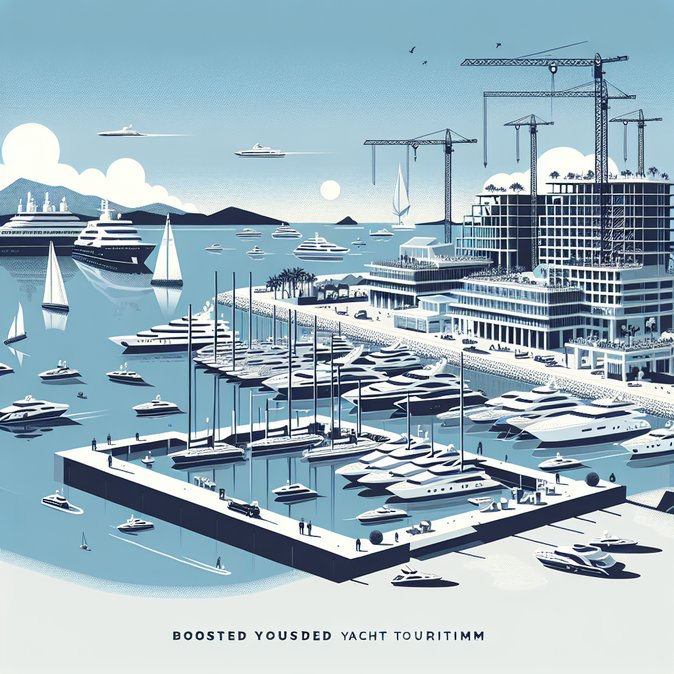
After three decades of false starts and litigation, the long-planned Paphos Marina moved a step closer to reality on 26 December when Cyprus Property News reported that the Deputy Ministry of Tourism expects to award Phase-1 tender evaluations in early 2026. The envisioned €300-million development at Potima Bay would offer berths for up to 1,000 leisure vessels, dry-dock facilities and mixed-use real-estate capable of hosting boutique cruise calls.
For global-mobility stakeholders, the project is more than a property story. A fully-operational Paphos Marina would create a new maritime port-of-entry on Cyprus’ west coast, easing pressure on Limassol and Larnaca and giving super-yacht operators—and their high-net-worth clients—direct access to the Troodos hinterland and nearby UNESCO sites. Immigration and Customs will need a new outpost; sources in the Port & Marine Police say design studies include a Schengen-compliant arrivals hall, anticipating Cyprus’ planned entry into the passport-free zone.
Whether you’re a yacht crew member planning a season in the Med or a conference delegate lining up a quick trip, VisaHQ can streamline the paperwork. Their online Cyprus visa service (https://www.visahq.com/cyprus/) walks applicants through requirements, fees and processing times, letting stakeholders focus on charter schedules and event agendas rather than embassy queues.
![Paphos Marina Project Nears Green Light, Poised to Reshape Nautical Mobility]()
Local business groups also see upside for conference tourism. Plans call for a 200-room MICE-ready hotel within the marina complex, complementing Paphos’ existing resort inventory and offering large corporates an alternative venue for regional incentive trips. Combined with Paphos Airport’s expanding European network—30 destinations next summer—the marina could make the district a self-contained ‘fly-sail’ hub.
However, the report reminds observers of the project’s chequered past. Earlier concession awards dissolved into court battles, and environmental NGOs continue to raise concerns over Posidonia sea-grass beds in Potima Bay. To avoid further delays, the ministry has structured the tender as a two-phase competitive dialogue and embedded strict milestones—failure to secure funds or permits within 18 months could void the concession.
If the timeline holds, construction would start in late 2026 with first-phase berths opening by 2029—placing Cyprus in a better position to attract Mediterranean yacht traffic diverted from Red-Sea and Suez Canal unrest. Companies involved in crew rotation, yacht management and maritime immigration services should begin scenario-planning for a western Cyprus gateway.
For global-mobility stakeholders, the project is more than a property story. A fully-operational Paphos Marina would create a new maritime port-of-entry on Cyprus’ west coast, easing pressure on Limassol and Larnaca and giving super-yacht operators—and their high-net-worth clients—direct access to the Troodos hinterland and nearby UNESCO sites. Immigration and Customs will need a new outpost; sources in the Port & Marine Police say design studies include a Schengen-compliant arrivals hall, anticipating Cyprus’ planned entry into the passport-free zone.
Whether you’re a yacht crew member planning a season in the Med or a conference delegate lining up a quick trip, VisaHQ can streamline the paperwork. Their online Cyprus visa service (https://www.visahq.com/cyprus/) walks applicants through requirements, fees and processing times, letting stakeholders focus on charter schedules and event agendas rather than embassy queues.

Local business groups also see upside for conference tourism. Plans call for a 200-room MICE-ready hotel within the marina complex, complementing Paphos’ existing resort inventory and offering large corporates an alternative venue for regional incentive trips. Combined with Paphos Airport’s expanding European network—30 destinations next summer—the marina could make the district a self-contained ‘fly-sail’ hub.
However, the report reminds observers of the project’s chequered past. Earlier concession awards dissolved into court battles, and environmental NGOs continue to raise concerns over Posidonia sea-grass beds in Potima Bay. To avoid further delays, the ministry has structured the tender as a two-phase competitive dialogue and embedded strict milestones—failure to secure funds or permits within 18 months could void the concession.
If the timeline holds, construction would start in late 2026 with first-phase berths opening by 2029—placing Cyprus in a better position to attract Mediterranean yacht traffic diverted from Red-Sea and Suez Canal unrest. Companies involved in crew rotation, yacht management and maritime immigration services should begin scenario-planning for a western Cyprus gateway.