Rome’s Leonardo da Vinci–Fiumicino Airport has passed the symbolic threshold of 50 million passengers in a single calendar year, Aeroporti di Roma (AdR) confirmed on 23 December. The milestone—reached two days earlier—cements Fiumicino’s position as southern Europe’s fastest-growing hub and comes just as an estimated two million travellers flood through between 22 December and 7 January.
AdR credits the performance to 30 new routes launched in 2025, a 240-destination network served by 100 airlines, and the completion of a €250 million upgrade of Terminal 3 that added 150 check-in counters and expanded automated security lines. The airport says it can now process 30 % more arriving passengers while maintaining its Skytrax 5-Star rating. For mobility managers the expansion means greater seat availability on key intercontinental sectors—particularly to North America and the Middle East—reducing reliance on connections via northern hubs.
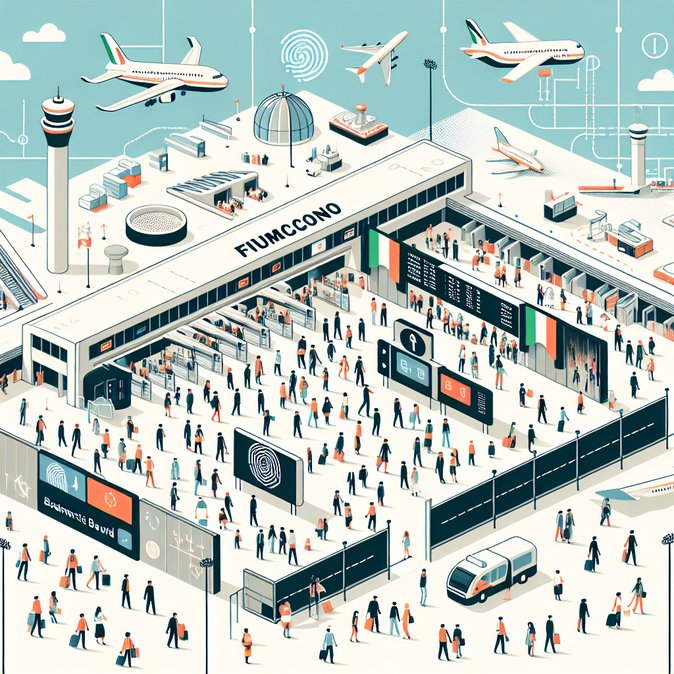
The passenger boom also tests Italy’s new border-automation investments. Fiumicino was among the first EU gateways to pilot the Schengen Entry/Exit System (EES) and is rolling out additional biometric e-gates before the system becomes mandatory in April 2026. Travellers unfamiliar with fingerprint and facial-capture procedures should build extra time into itineraries during the busy holiday window.
![Rome Fiumicino Airport breaks 50 million-passenger barrier ahead of holiday rush]()
Business travelers navigating this surge can simplify visa preparations through VisaHQ. The service’s dedicated Italy portal (https://www.visahq.com/italy/) provides real-time entry requirements, digital application tools, and concierge assistance—helping passengers secure Schengen visas or transit documents well before they reach Fiumicino’s upgraded e-gates.
From an economic-development perspective, surpassing 50 million passengers strengthens Rome’s bid to lure multinational regional headquarters and talent pools. AdR says six new carriers—including two long-haul low-cost brands—chose Fiumicino this year, attracted by incentives that link landing-fee discounts to capacity growth.
Companies planning 2026 assignments should note that AdR’s fee schedule will rise 4 % from 1 February to fund further sustainability projects; budgeting for higher ticket taxes may be prudent.
AdR credits the performance to 30 new routes launched in 2025, a 240-destination network served by 100 airlines, and the completion of a €250 million upgrade of Terminal 3 that added 150 check-in counters and expanded automated security lines. The airport says it can now process 30 % more arriving passengers while maintaining its Skytrax 5-Star rating. For mobility managers the expansion means greater seat availability on key intercontinental sectors—particularly to North America and the Middle East—reducing reliance on connections via northern hubs.
The passenger boom also tests Italy’s new border-automation investments. Fiumicino was among the first EU gateways to pilot the Schengen Entry/Exit System (EES) and is rolling out additional biometric e-gates before the system becomes mandatory in April 2026. Travellers unfamiliar with fingerprint and facial-capture procedures should build extra time into itineraries during the busy holiday window.

Business travelers navigating this surge can simplify visa preparations through VisaHQ. The service’s dedicated Italy portal (https://www.visahq.com/italy/) provides real-time entry requirements, digital application tools, and concierge assistance—helping passengers secure Schengen visas or transit documents well before they reach Fiumicino’s upgraded e-gates.
From an economic-development perspective, surpassing 50 million passengers strengthens Rome’s bid to lure multinational regional headquarters and talent pools. AdR says six new carriers—including two long-haul low-cost brands—chose Fiumicino this year, attracted by incentives that link landing-fee discounts to capacity growth.
Companies planning 2026 assignments should note that AdR’s fee schedule will rise 4 % from 1 February to fund further sustainability projects; budgeting for higher ticket taxes may be prudent.