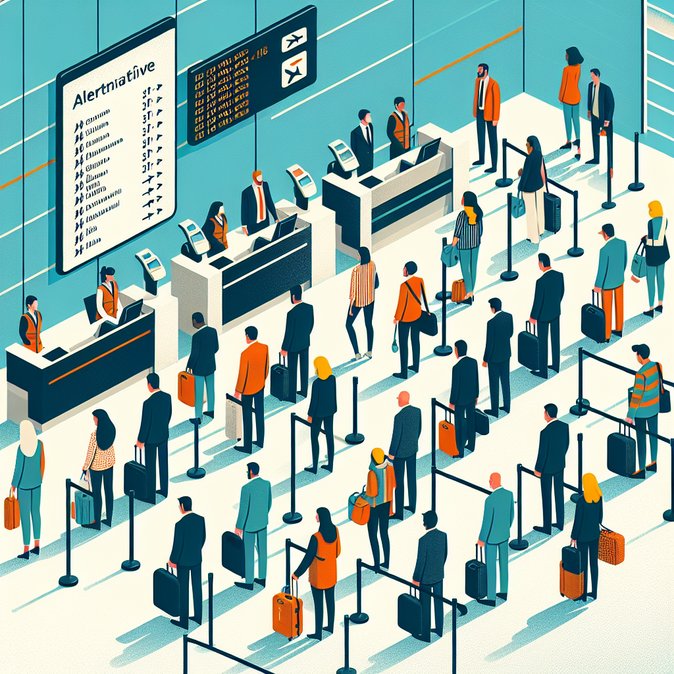
Euronews Travel warns that passengers transiting Italy over the holiday peak should prepare for a double whammy of industrial action and border-control delays. Ground-handling unions have announced a four-hour nationwide walk-out on 9 January (13:00-17:00) and a 24-hour strike at Milan-Linate by Swissport staff the same day. Verona airport faces separate air-traffic-control stoppages on 31 January. The action follows a one-day strike that disrupted more than 300 departures on 17 December.
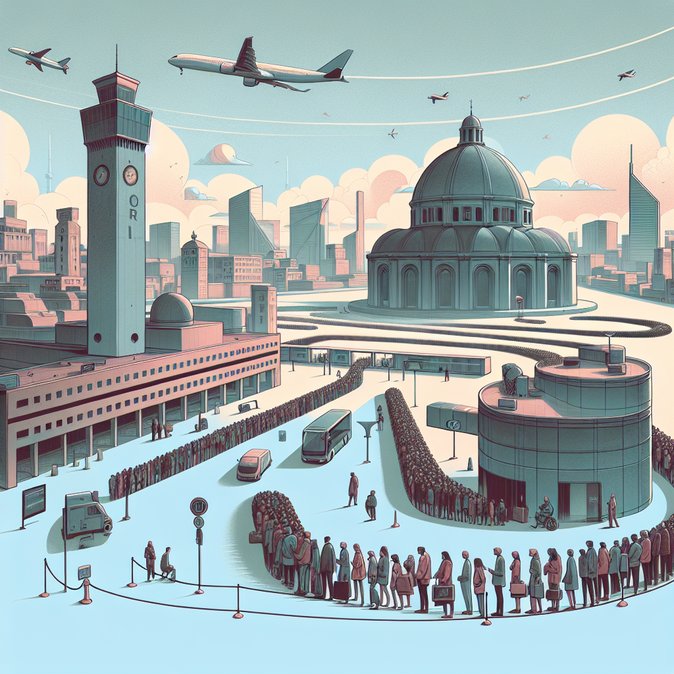
At the same time, roll-out of the EU’s new Entry/Exit System (EES) is creating bottlenecks at Fiumicino, Malpensa and other Schengen hubs. The biometric kiosks—mandatory for UK, US and other visa-exempt travellers—have lengthened border-processing times by up to three hours, according to an Airports Council International (ACI) Europe report. Italian airport operator Aeroporti di Roma says it has redeployed staff to manage queues but concedes that only one in ten passengers has completed EES registration so far.
![Christmas Travel Alert: Italian Airports Brace for New Year Strikes and Long EES Queues]()
For multinational employers the risk is tangible: January is when many expatriate contracts commence, and missed connections can derail onboarding schedules. Mobility managers are therefore advising inbound assignees to build longer layovers, carry printed proof of onward travel and pre-fill EES data where online pre-enrolment is offered. Airlines serving Italy are also adjusting minimum connection times for Schengen transfers and urging status holders to use priority security lanes to offset delays.
Travellers who also need a Schengen visa—or simply want guidance on the evolving border formalities—can lighten the administrative load by using VisaHQ. The platform offers step-by-step assistance for Italian visa applications and up-to-date advice on EES procedures, all accessible at https://www.visahq.com/italy/
The strikes shine a light on Italy’s fragmented ground-handling market—recent liberalisation has spawned more than a dozen operators, complicating labour talks. The Ministry of Infrastructure has offered to mediate but, with collective agreements expiring in early 2026, further disruptions are likely. Business-travel insurers already report an uptick in claims for missed meetings and additional accommodation costs. Companies with mission-critical travel in January should prepare contingency plans or consider rail alternatives on the high-speed Frecciarossa network for domestic legs.
At the same time, roll-out of the EU’s new Entry/Exit System (EES) is creating bottlenecks at Fiumicino, Malpensa and other Schengen hubs. The biometric kiosks—mandatory for UK, US and other visa-exempt travellers—have lengthened border-processing times by up to three hours, according to an Airports Council International (ACI) Europe report. Italian airport operator Aeroporti di Roma says it has redeployed staff to manage queues but concedes that only one in ten passengers has completed EES registration so far.
For multinational employers the risk is tangible: January is when many expatriate contracts commence, and missed connections can derail onboarding schedules. Mobility managers are therefore advising inbound assignees to build longer layovers, carry printed proof of onward travel and pre-fill EES data where online pre-enrolment is offered. Airlines serving Italy are also adjusting minimum connection times for Schengen transfers and urging status holders to use priority security lanes to offset delays.
Travellers who also need a Schengen visa—or simply want guidance on the evolving border formalities—can lighten the administrative load by using VisaHQ. The platform offers step-by-step assistance for Italian visa applications and up-to-date advice on EES procedures, all accessible at https://www.visahq.com/italy/
The strikes shine a light on Italy’s fragmented ground-handling market—recent liberalisation has spawned more than a dozen operators, complicating labour talks. The Ministry of Infrastructure has offered to mediate but, with collective agreements expiring in early 2026, further disruptions are likely. Business-travel insurers already report an uptick in claims for missed meetings and additional accommodation costs. Companies with mission-critical travel in January should prepare contingency plans or consider rail alternatives on the high-speed Frecciarossa network for domestic legs.