Finland Switches to All-Digital Citizenship Applications and Raises Eligibility Bar
Biometric Bottlenecks: EU Entry/Exit System Triggers Holiday Queues at Helsinki Airport
Permanent Residence Now Requires Six Years and A2 Language Level in Finland
Latest News

Government Plans Higher Living-Cost Proof and Language Test for Non-EU Students
Draft legislation would raise the monthly living-cost requirement for non-EU students to €850, delay family reunification and introduce a compulsory A1-level language test. Businesses that rely on graduate talent may need to adjust funding models and onboarding timelines before the planned 1 August 2026 start date.
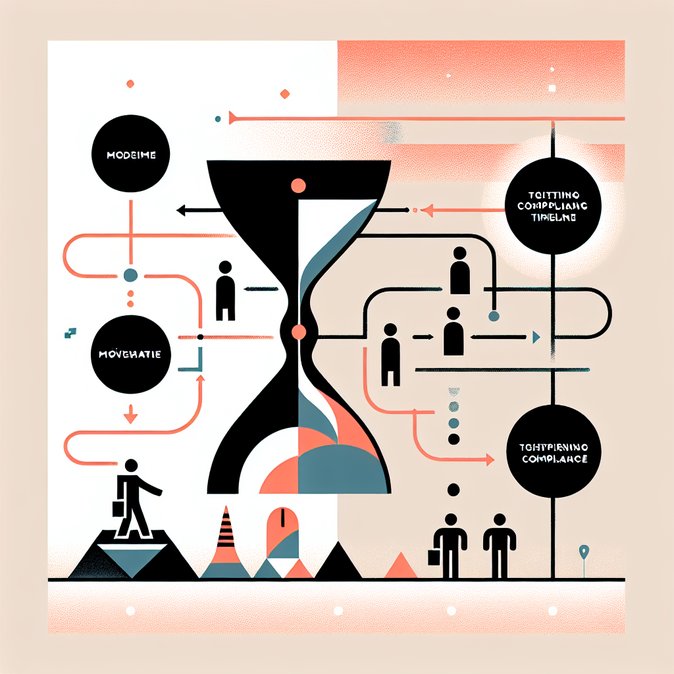
Job-Seeker Service Reform Shifts Burden to Municipalities and Tightens Rules for Foreign Talent
Legislation taking effect on 1 January 2026 decentralises Finland’s employment services, imposes faster benefit sanctions for missed appointments and forces part-time migrant workers to accept full-time jobs. Mobility managers must coordinate with multiple municipalities and brief foreign staff on tighter compliance timelines.

Finland’s New Citizenship Act Goes Live with Fully-Digital Process and Higher Hurdles
From 17 December 2025, Finnish citizenship applications must be filed entirely online, and applicants now need six years’ legal residence plus proof of sustainable earned income. The overhaul promises faster processing but imposes higher thresholds, forcing employers to rethink retention plans and applicants to master a fully digital workflow.

Permanent Residence in Finland Now Requires Six Years of Stay and Language Test
Finland has raised the bar for permanent residence: six straight years of legal stay plus an A2 language exam are now required. The change aligns the integration timeline with new citizenship rules but forces companies and assignees to lengthen stay plans and invest in language training.

Government Proposes Higher Financial Proof and Language Tests for Non-EU Students
Draft legislation would raise the minimum living-expense proof for non-EU students to €850 per month, delay family reunification and introduce a first-year language-test requirement. Universities fear lower enrolment, while employers of sponsored students must adjust relocation budgets.

Job-Seeker Service Reform Shifts Obligations for Foreign Talent from January 2026
Public-employment services will be decentralised to municipalities on 1 January 2026, with stricter obligations for foreign job-seekers and faster benefit sanctions for non-compliance. Companies must navigate varying local procedures and warn assignees about tougher part-time work rules.
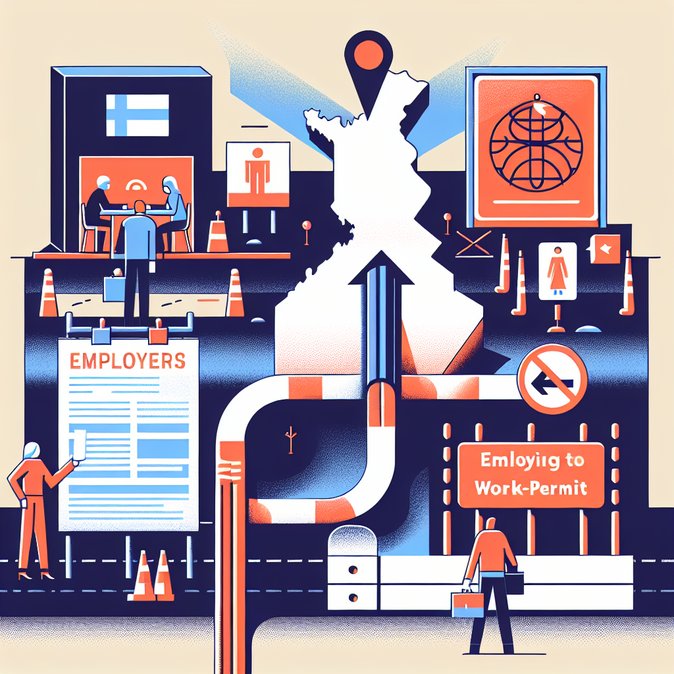
Finland Closes Loophole on ‘Second’ Temporary-Protection Permits
Finland will no longer accept temporary-protection applications from people already protected in another EU country. Employers must screen candidates for existing status and pivot to work-permit routes, while NGOs warn of obstacles to family reunification.

EU Entry/Exit System Causes Long Queues — Helsinki Airport Issues Holiday Warning
The EU’s new biometric Entry/Exit System has already produced queues of almost an hour at Helsinki Airport, and throughput will worsen when registration quotas rise on 9 January 2026. Travel managers should build in longer layovers and brief UK and US staff on kiosk enrolment.

Tighter Social-Assistance Rules Could Hit Migrant Households from February 2026
From 1 February 2026, social-assistance applicants must first seek other benefits and register as job-seekers; non-compliance will trim payments and scrap income deductions. Migrant households on tight budgets and employers offering local contracts need to reassess financial support.