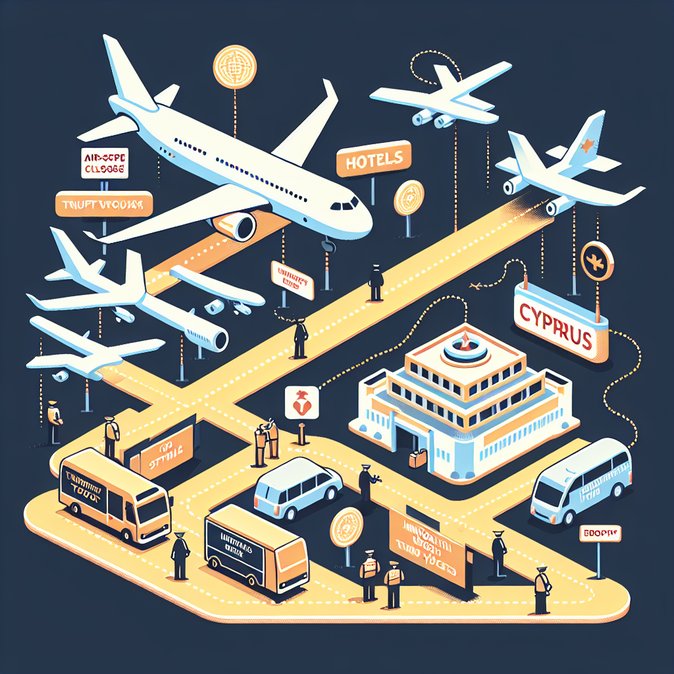
Regional air-space closures on 8 December turned Cyprus into the Eastern Mediterranean’s emergency runway when roughly 30 Israel-bound aircraft—16 of them wide-bodies—were forced to land at Larnaca and Pafos. Hermes Airports activated standby gates within minutes, while the Deputy Ministry of Tourism triggered “Estia”, a contingency blueprint forged during the 2021 Gaza conflict. Pre-booked hotel blocks, shuttle buses and meal vouchers swung into action, pushing Larnaca occupancy to 90 percent and generating an estimated €600,000 in unplanned room revenue for the local economy.
Immigration authorities opened every passport booth and issued 48-hour transit stamps to passengers carrying single-entry Schengen visas, averting status violations that could have led to fines or re-routing. Travel-risk consultants applauded the streamlined procedure, noting that Cyprus’ diversion-readiness agreements guarantee refuelling slots and ground-handling crews in exchange for modest airline retainers—an approach Malta and Crete are now studying.
![Thirty Israel-bound jets divert to Cyprus; ‘Estia’ plan shelters 2,400 unexpected guests]()
If travellers want to be fully prepared for such sudden diversions, VisaHQ can simplify the paperwork. The company’s Cyprus portal (https://www.visahq.com/cyprus/) provides up-to-date entry guidance, rapid processing of transit extensions and full visa services, giving both corporate mobility managers and individual passengers a one-stop resource when itineraries change at short notice.
For corporate mobility managers the episode underscored the wisdom of keeping contingency hotel blocks in Larnaca and Limassol when stationing staff in Israel or Lebanon. Employers are being urged to remind travellers to carry proof of onward travel, as Cypriot officers routinely verify intent to depart before stamping passports. Visa-service platforms reported a spike in on-the-spot extension requests from travellers whose layovers risked exceeding the 24-hour visa-free transit window.
While passengers praised Cyprus’ hospitality, local hoteliers warned that capacity could be stretched if multiple hubs close simultaneously. The tourism ministry is therefore mapping additional “Estia-Plus” sites, including university dorms and cruise ships docked in Limassol, to ensure beds for up to 6,000 people. Airlines, meanwhile, are updating their operational manuals to list Larnaca as the primary diversion airport for Tel Aviv, Beirut and Amman flights whenever geopolitical risk flares.
Immigration authorities opened every passport booth and issued 48-hour transit stamps to passengers carrying single-entry Schengen visas, averting status violations that could have led to fines or re-routing. Travel-risk consultants applauded the streamlined procedure, noting that Cyprus’ diversion-readiness agreements guarantee refuelling slots and ground-handling crews in exchange for modest airline retainers—an approach Malta and Crete are now studying.
If travellers want to be fully prepared for such sudden diversions, VisaHQ can simplify the paperwork. The company’s Cyprus portal (https://www.visahq.com/cyprus/) provides up-to-date entry guidance, rapid processing of transit extensions and full visa services, giving both corporate mobility managers and individual passengers a one-stop resource when itineraries change at short notice.
For corporate mobility managers the episode underscored the wisdom of keeping contingency hotel blocks in Larnaca and Limassol when stationing staff in Israel or Lebanon. Employers are being urged to remind travellers to carry proof of onward travel, as Cypriot officers routinely verify intent to depart before stamping passports. Visa-service platforms reported a spike in on-the-spot extension requests from travellers whose layovers risked exceeding the 24-hour visa-free transit window.
While passengers praised Cyprus’ hospitality, local hoteliers warned that capacity could be stretched if multiple hubs close simultaneously. The tourism ministry is therefore mapping additional “Estia-Plus” sites, including university dorms and cruise ships docked in Limassol, to ensure beds for up to 6,000 people. Airlines, meanwhile, are updating their operational manuals to list Larnaca as the primary diversion airport for Tel Aviv, Beirut and Amman flights whenever geopolitical risk flares.