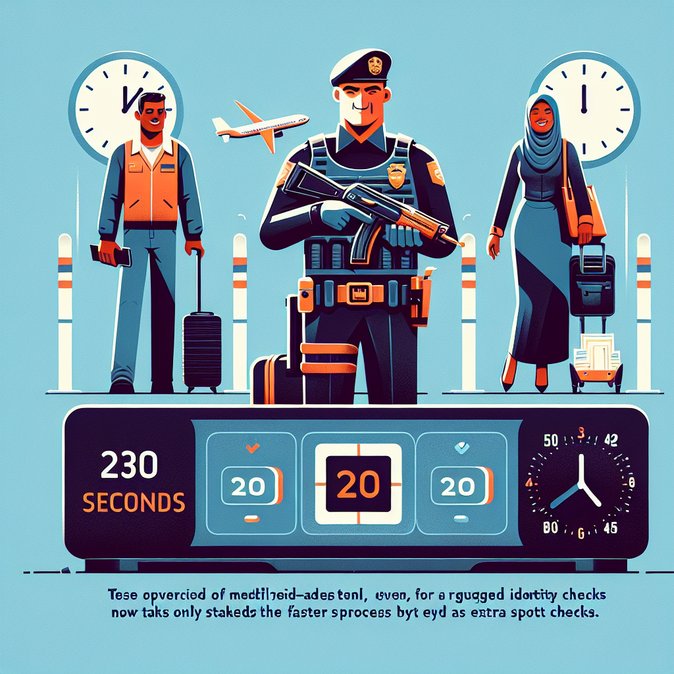
Interior Minister Constantinos Ioannou has confirmed that all 2,300 rugged Android tablets ordered under the €4 million “CY Patrol Check” project are now live in police cruisers, airport units and coastal-guard launches. The devices provide instant access to the Schengen Information System (SIS), Interpol notices and EU-wide vehicle registers, slashing roadside ID-check times from up to five minutes to barely 30 seconds.
The upgrade replaces a voice-radio process in which officers relayed passport or licence numbers to a dispatcher for database queries—a bottleneck that often frustrated tourists driving rental cars in the Troodos mountains. Officers have completed GDPR compliance workshops, and an EU penetration-testing team will audit cyber-resilience early next year as part of Cyprus’ final push to satisfy Schengen technical criteria before the 2026 Council vote on the island’s full accession.
![Cyprus rolls out 2,300 Schengen-linked tablets to every police patrol ahead of 2026 accession bid]()
For travellers the benefits are mixed. Faster controls mean shorter queues at ad-hoc checkpoints and airport arrivals, but HR advisers predict a temporary spike in random stops while officers familiarise themselves with the new kit. Employers are advising assignees to carry original passports rather than photocopies and to store digital copies of work contracts on their phones in case questions arise about right-to-work status.
Travellers looking to stay ahead of these enhanced checks can streamline their paperwork through VisaHQ, which provides step-by-step guidance for Cyprus visa applications, securely stores supporting documents and issues real-time alerts when entry requirements change. You can start or review an application at https://www.visahq.com/cyprus/
Technology vendors note that the tablet roll-out dovetails with biometric e-gates at Larnaca Airport and the soon-to-launch queue-monitoring API at Green-Line crossings, giving Cyprus a near-real-time picture of who enters, exits or transits the republic. Mobility managers say the integrated ecosystem could eventually allow pre-clearance of frequent business travellers, provided data-privacy safeguards satisfy Brussels.
The upgrade replaces a voice-radio process in which officers relayed passport or licence numbers to a dispatcher for database queries—a bottleneck that often frustrated tourists driving rental cars in the Troodos mountains. Officers have completed GDPR compliance workshops, and an EU penetration-testing team will audit cyber-resilience early next year as part of Cyprus’ final push to satisfy Schengen technical criteria before the 2026 Council vote on the island’s full accession.

For travellers the benefits are mixed. Faster controls mean shorter queues at ad-hoc checkpoints and airport arrivals, but HR advisers predict a temporary spike in random stops while officers familiarise themselves with the new kit. Employers are advising assignees to carry original passports rather than photocopies and to store digital copies of work contracts on their phones in case questions arise about right-to-work status.
Travellers looking to stay ahead of these enhanced checks can streamline their paperwork through VisaHQ, which provides step-by-step guidance for Cyprus visa applications, securely stores supporting documents and issues real-time alerts when entry requirements change. You can start or review an application at https://www.visahq.com/cyprus/
Technology vendors note that the tablet roll-out dovetails with biometric e-gates at Larnaca Airport and the soon-to-launch queue-monitoring API at Green-Line crossings, giving Cyprus a near-real-time picture of who enters, exits or transits the republic. Mobility managers say the integrated ecosystem could eventually allow pre-clearance of frequent business travellers, provided data-privacy safeguards satisfy Brussels.