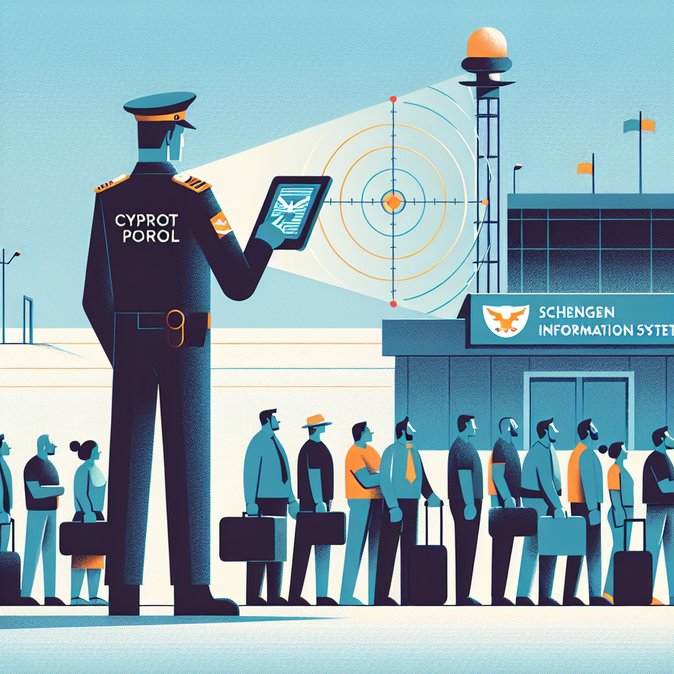
Cyprus yesterday finished rolling out 2,300 rugged Android tablets that give every patrol car, airport unit and coastal-police launch instant access to the Schengen Information System, Interpol notices and EU-wide vehicle registers. The €4 million ‘CY Patrol Check’ project eliminates the old radio bottleneck that forced officers to relay passport numbers to station operators, slashing ID-check times from five minutes to barely 30 seconds.
Interior Minister Constantinos Ioannou called the upgrade “non-negotiable” for the EU inspection now under way. Officers completed GDPR training and an EU penetration-testing team will probe cyber-resilience early next year.
For travellers the benefits are mixed. Faster roadside and airport checks will shorten queues, but HR advisers warn of a temporary spike in random stops as officers familiarise themselves with the hardware. Mobility managers are telling assignees to carry original passports—not photocopies—until procedures settle.
![Cyprus Deploys 2,300 Schengen-Linked Tablets to Every Police Patrol]()
To stay ahead of these evolving border procedures, travellers and mobility managers can rely on VisaHQ’s Cyprus portal (https://www.visahq.com/cyprus/) for real-time entry updates, visa processing, and passport-renewal assistance, ensuring all documents are in perfect order before officers run their new 30-second checks.
The deployment dovetails with new e-gates at Larnaca airport and biometric kiosks at the Agios Dometios crossing, underscoring Cyprus’ determination to tick every technical box before Schengen accession. Tech vendors say the island is the first southern-European country to give all front-line patrols real-time SIS access, a model Greece and Malta are studying.
Corporate travel teams should update compliance briefings and ensure driver handbooks reflect the likelihood of more frequent documentation checks over the next few months.
Interior Minister Constantinos Ioannou called the upgrade “non-negotiable” for the EU inspection now under way. Officers completed GDPR training and an EU penetration-testing team will probe cyber-resilience early next year.
For travellers the benefits are mixed. Faster roadside and airport checks will shorten queues, but HR advisers warn of a temporary spike in random stops as officers familiarise themselves with the hardware. Mobility managers are telling assignees to carry original passports—not photocopies—until procedures settle.

To stay ahead of these evolving border procedures, travellers and mobility managers can rely on VisaHQ’s Cyprus portal (https://www.visahq.com/cyprus/) for real-time entry updates, visa processing, and passport-renewal assistance, ensuring all documents are in perfect order before officers run their new 30-second checks.
The deployment dovetails with new e-gates at Larnaca airport and biometric kiosks at the Agios Dometios crossing, underscoring Cyprus’ determination to tick every technical box before Schengen accession. Tech vendors say the island is the first southern-European country to give all front-line patrols real-time SIS access, a model Greece and Malta are studying.
Corporate travel teams should update compliance briefings and ensure driver handbooks reflect the likelihood of more frequent documentation checks over the next few months.