Regional air-space closures on 8 December turned Cyprus into a safety valve for Middle-East aviation when roughly 30 Israel-bound aircraft were forced to land at Larnaca and Pafos. Hermes Airports confirmed that 16 diversions alone deposited about 2,400 passengers in need of overnight accommodation.
Within minutes the Deputy Ministry of Tourism triggered the ‘Estia’ protocol, a playbook devised after the 2021 Gaza conflict that pre-allocates hotel rooms and shuttle buses. The Larnaca Hoteliers Association released conference-block allocations, pushing occupancy towards 90 percent and generating an estimated €600,000 in unexpected room revenue.
![Thirty Israel-Bound Flights Diverted to Cyprus, Emergency ‘Estia’ Lodging Activated]()
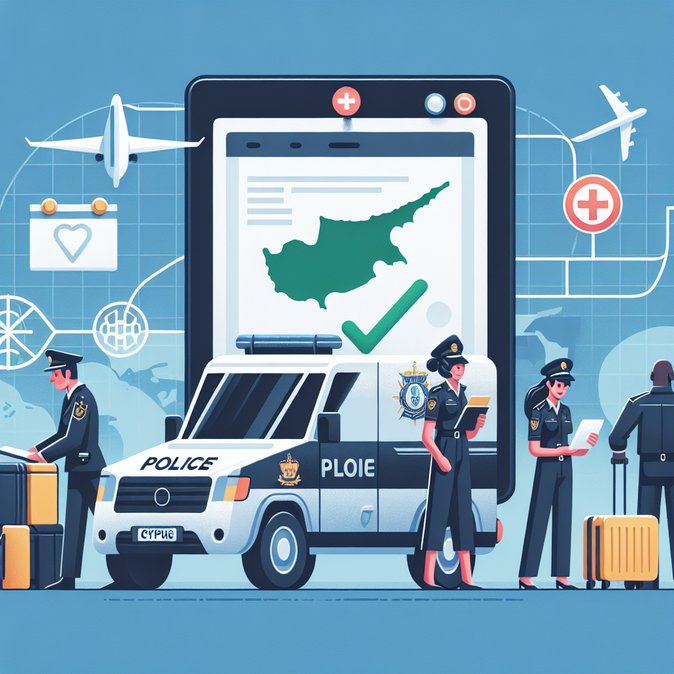
Immigration officers opened all passport booths and issued 48-hour transit stamps for passengers holding only single-entry Schengen visas—avoiding status complications. Ground-handling crews extended shifts, and airlines praised Cyprus’ ‘diversion-readiness agreements’, which guarantee stand-by gates and refuelling slots.
For travellers seeking to avoid last-minute immigration surprises, services such as VisaHQ can streamline pre-trip compliance. The company’s Cyprus portal (https://www.visahq.com/cyprus/) offers up-to-date guidance on transit rules, Schengen visa requirements, and fast-tracked e-visas, giving airlines and corporate travel planners an extra layer of assurance when diversion scenarios unfold.
For corporate travel programmes, the episode underscores the value of maintaining flexible hotel blocks in Larnaca and Limassol and ensuring travellers carry proof of onward travel in case immigration queries intent to depart. Analysts say the event cements Cyprus’ role as the Eastern Mediterranean’s primary diversion hub but exposes limited hotel capacity should multiple regional hubs close simultaneously.
Within minutes the Deputy Ministry of Tourism triggered the ‘Estia’ protocol, a playbook devised after the 2021 Gaza conflict that pre-allocates hotel rooms and shuttle buses. The Larnaca Hoteliers Association released conference-block allocations, pushing occupancy towards 90 percent and generating an estimated €600,000 in unexpected room revenue.
Immigration officers opened all passport booths and issued 48-hour transit stamps for passengers holding only single-entry Schengen visas—avoiding status complications. Ground-handling crews extended shifts, and airlines praised Cyprus’ ‘diversion-readiness agreements’, which guarantee stand-by gates and refuelling slots.
For travellers seeking to avoid last-minute immigration surprises, services such as VisaHQ can streamline pre-trip compliance. The company’s Cyprus portal (https://www.visahq.com/cyprus/) offers up-to-date guidance on transit rules, Schengen visa requirements, and fast-tracked e-visas, giving airlines and corporate travel planners an extra layer of assurance when diversion scenarios unfold.
For corporate travel programmes, the episode underscores the value of maintaining flexible hotel blocks in Larnaca and Limassol and ensuring travellers carry proof of onward travel in case immigration queries intent to depart. Analysts say the event cements Cyprus’ role as the Eastern Mediterranean’s primary diversion hub but exposes limited hotel capacity should multiple regional hubs close simultaneously.