Family-Reunification Salary Floor Jumps to €44,300—Middle-Income Assignees Hit Hard
€12 Million Fast-Track Plan Promises Asylum Decisions in Six Months by 2026
Taxi ‘Slow-Drive’ Gridlocks Dublin Airport, Forcing Corporates to Rip Up Travel Playbooks
Latest News
Student-Visa Crackdown Looms as Government Reviews English-Language Route
Ireland is reviewing its English-language student-visa programme, signalling possible caps and tougher school oversight to stop the route being used as a ‘back-door’ work visa. Cuts could shrink a 60,000-strong annual intake, tightening part-time labour supply for employers.
Ireland considers cutting English-language student visas to curb ‘back-door’ work migration
The Department of Justice is reviewing Ireland’s English-language student-visa programme amid fears it is being used as a ‘back-door’ work route. Ministers say the outcome could see fewer visas and stricter school oversight, potentially shrinking a 60,000-strong annual intake. Employers relying on student workers or graduate-scheme talent should prepare for tighter supply and higher wage demands.
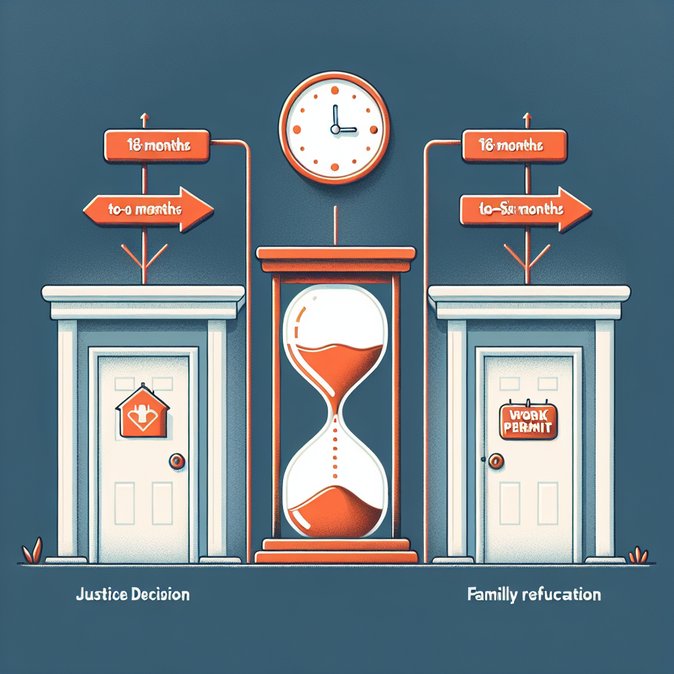
Ireland sets €12 m plan to cut asylum decisions from 18 months to six
A €12 million Justice Department initiative aims to deliver asylum decisions in three-to-six months by mid-2026, down from 18 months. Faster outcomes could ease Direct Provision costs and let recognised refugees move into work-permit or family-reunification channels sooner—good news for employers facing labour shortages.

Income bar for Irish family reunification leaps to €44,300, squeezing mid-tier assignees
Effective immediately, Irish residents who want to sponsor non-EEA spouses or children must earn at least €44,300—up from €30,000—and show proof of housing. The steeper threshold will raise relocation costs for multinationals and could deter mid-level talent unless employers adjust pay packages.
‘Slow-drive’ taxi protest chokes access to Dublin Airport, forcing companies to rewrite travel plans
A co-ordinated ‘slow-drive’ by 1,500 taxis around Dublin Airport on 27 November caused major delays, prompting the DAA to issue passenger warnings. The protest over Uber’s fixed-fare plans underscores the fragility of ground-access for Ireland’s busiest hub and forced firms to authorise unplanned transport work-arounds.