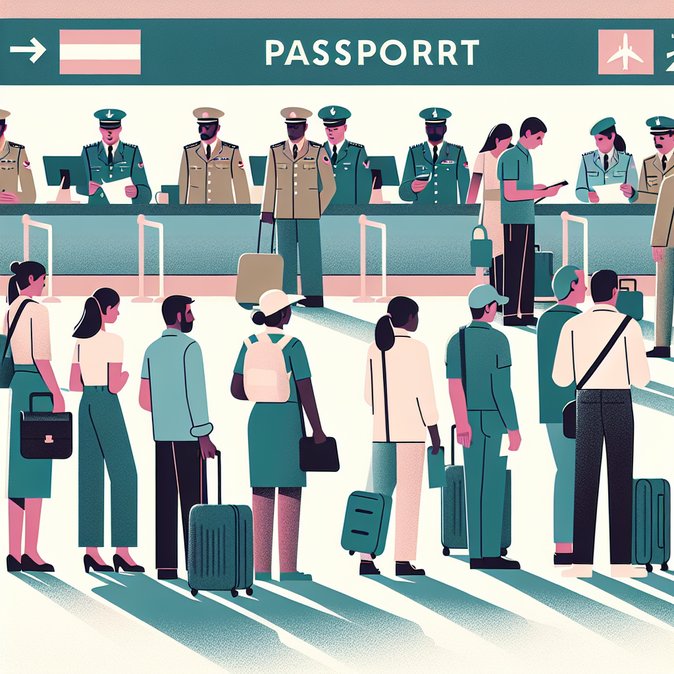
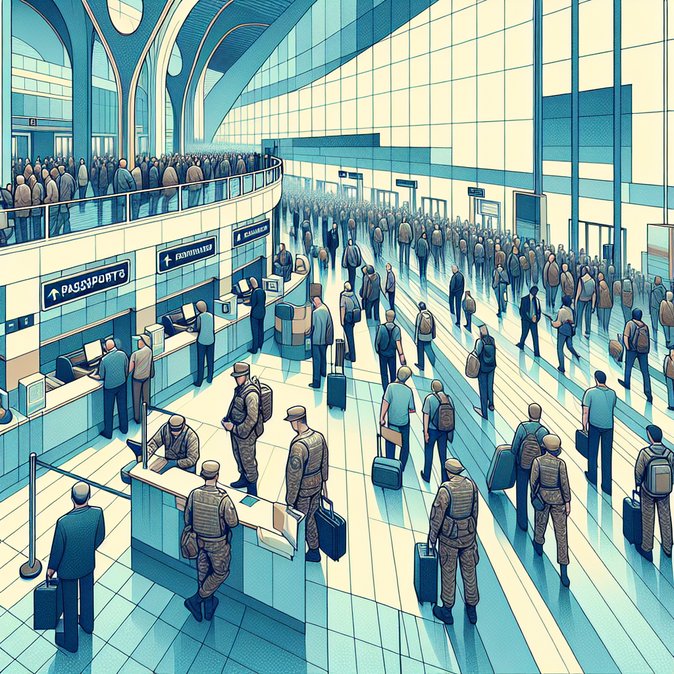
With just weeks to go before the busiest travel fortnight of the year, ministers have authorised the deployment of up to 1,200 military personnel and 1,000 civil servants to staff passport desks at seven UK ports and airports during eight days of Border Force strikes from 23 to 31 December. The PCS-union walkout covers Heathrow, Gatwick, Manchester, Birmingham, Cardiff, Glasgow and the Port of Newhaven.
Operational planning, led by the Cabinet Office’s new Resilience Directorate, will split passport booths into “green lanes” staffed by trained soldiers and “amber lanes” for complex cases handled by remaining senior Border Force officers. Industry simulations suggest throughput could fall to 60 per cent of normal capacity, potentially creating peak-time queues of 90 minutes even if everything runs smoothly.
![UK Government Deploys Troops to Keep Passport Control Running During Christmas Border Force Strikes]()
Business-travel stakeholders fear the strikes coincide with year-end project rotations, expatriate home-leave traffic and the inbound flow of students returning from winter break. Global mobility managers are advising travellers to allow at least four hours between scheduled arrival and critical onward connections, and to consider rerouting through Dublin or Amsterdam where feasible.
While unions accuse the government of “Union-busting theatrics,” the Home Office insists cross-training troops protects national security and keeps trade moving. Airlines, for their part, want clarity on liability if passengers miss connections because of strike-related delays.
The episode underscores the fragility of UK border operations at a time when the Home Office is trying to introduce high-tech “contactless” entry systems. Mobility teams should monitor contingency updates via the Civil Aviation Authority and update duty-of-care alerts as the strike window approaches.
Operational planning, led by the Cabinet Office’s new Resilience Directorate, will split passport booths into “green lanes” staffed by trained soldiers and “amber lanes” for complex cases handled by remaining senior Border Force officers. Industry simulations suggest throughput could fall to 60 per cent of normal capacity, potentially creating peak-time queues of 90 minutes even if everything runs smoothly.
Business-travel stakeholders fear the strikes coincide with year-end project rotations, expatriate home-leave traffic and the inbound flow of students returning from winter break. Global mobility managers are advising travellers to allow at least four hours between scheduled arrival and critical onward connections, and to consider rerouting through Dublin or Amsterdam where feasible.
While unions accuse the government of “Union-busting theatrics,” the Home Office insists cross-training troops protects national security and keeps trade moving. Airlines, for their part, want clarity on liability if passengers miss connections because of strike-related delays.
The episode underscores the fragility of UK border operations at a time when the Home Office is trying to introduce high-tech “contactless” entry systems. Mobility teams should monitor contingency updates via the Civil Aviation Authority and update duty-of-care alerts as the strike window approaches.