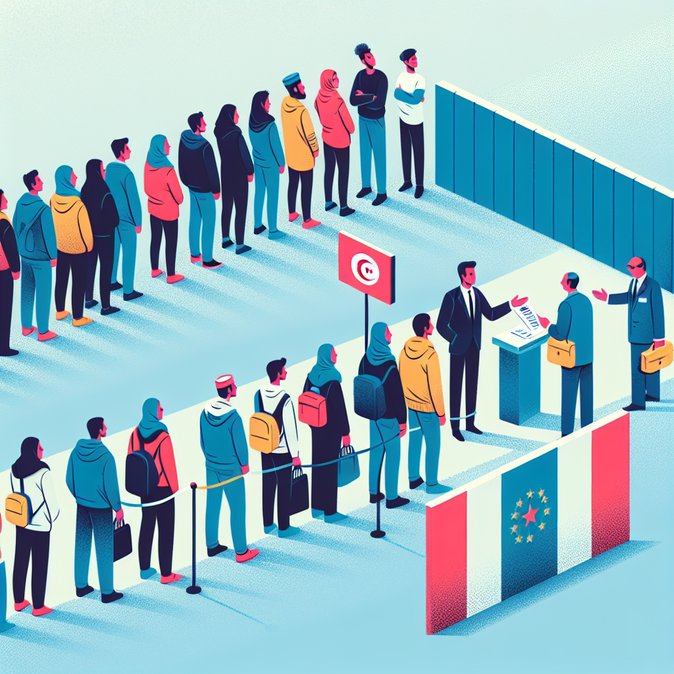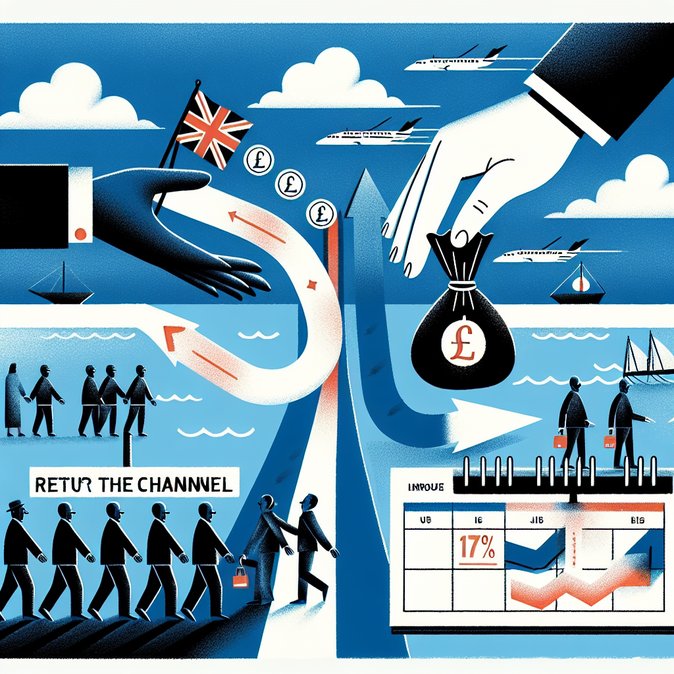
In a letter sent in mid-November and leaked on 28 November, British Prime Minister Keir Starmer pressed President Emmanuel Macron to “step up efforts” to curb irregular Channel crossings, which have reached nearly 40,000 so far in 2025—up 17 % year-on-year. Starmer criticised the slow implementation of the July 2025 “one-in, one-out” returns agreement and called for at least 250 migrant returns per week to France.
The Prime Minister touted upcoming UK measures, including a national electronic ID card and asylum reforms that would render refugee status temporary, as proof of Britain’s commitment. He offered additional equipment and funding to French border forces but warned of political fallout—citing the rise of Reform UK—if crossings are not reduced.
![UK’s Starmer Urges Macron to Accelerate Migrant Returns Under Channel Deal]()
Élysée officials have not commented publicly, but French diplomats privately note that UK funding for joint beach patrols has yet to be fully disbursed. Analysts say Macron will balance domestic pressure to appear firm on migration with the need to preserve bilateral defence and energy cooperation.
For companies moving staff between London and Paris, the rhetoric raises concerns about tighter checks at juxtaposed border controls in Calais and Dover. Logistics firms already report longer wait times for drivers whose documents require manual verification.
A bilateral working group is expected to meet in early December. Mobility managers should monitor for operational changes at the Eurotunnel and ferry ports, and advise travellers to allow extra time for passport inspections.
The Prime Minister touted upcoming UK measures, including a national electronic ID card and asylum reforms that would render refugee status temporary, as proof of Britain’s commitment. He offered additional equipment and funding to French border forces but warned of political fallout—citing the rise of Reform UK—if crossings are not reduced.

Élysée officials have not commented publicly, but French diplomats privately note that UK funding for joint beach patrols has yet to be fully disbursed. Analysts say Macron will balance domestic pressure to appear firm on migration with the need to preserve bilateral defence and energy cooperation.
For companies moving staff between London and Paris, the rhetoric raises concerns about tighter checks at juxtaposed border controls in Calais and Dover. Logistics firms already report longer wait times for drivers whose documents require manual verification.
A bilateral working group is expected to meet in early December. Mobility managers should monitor for operational changes at the Eurotunnel and ferry ports, and advise travellers to allow extra time for passport inspections.