
New analysis published on 28 November by the Economic Times shows a marked shift in Indian student mobility patterns: growing numbers are opting for regional UK cities such as Nottingham, Manchester and Edinburgh rather than London. Almost 99,000 Indian nationals were enrolled at UK universities in 2024, but surveys by agents and universities suggest that as many as 60 % of 2025-entry applicants now list a non-capital campus as their first choice.
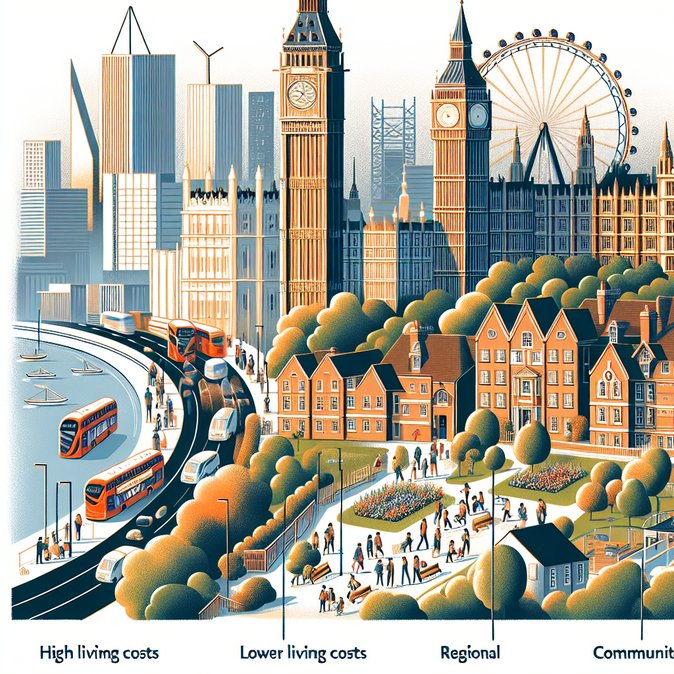
Driving the change is affordability. Average monthly living costs outside London are £550 lower, while tuition fees for comparable programmes can be up to 15 % cheaper. Regional authorities have responded with targeted scholarships, discounted public-transport passes and part-time employment initiatives that dovetail with the Graduate Visa, which allows two years’ post-study work.
![Rising costs push Indian students toward regional UK universities]()
Universities also tout stronger industry links. The Midlands’ life-sciences corridor and Manchester’s digital cluster both offer embedded placements—a selling point as the UK tightens rules on dependants and raises maintenance-fund requirements. Smaller class sizes and community support, including Diwali and Holi celebrations, further enhance the appeal.
For higher-education recruiters, the trend supports a decentralised strategy: partnerships with local councils, co-branded marketing in tier-2 Indian cities, and alumni mentorship designed to showcase regional career pathways. Employers benefit, too, by tapping graduate talent willing to settle outside the overheated South-East housing market.
However, the shift could widen a two-speed internationalisation divide. London institutions warn of a £200 million revenue gap if the pivot continues, potentially driving them to seek more lucrative—but politically sensitive—markets in China and the Gulf.
Driving the change is affordability. Average monthly living costs outside London are £550 lower, while tuition fees for comparable programmes can be up to 15 % cheaper. Regional authorities have responded with targeted scholarships, discounted public-transport passes and part-time employment initiatives that dovetail with the Graduate Visa, which allows two years’ post-study work.
Universities also tout stronger industry links. The Midlands’ life-sciences corridor and Manchester’s digital cluster both offer embedded placements—a selling point as the UK tightens rules on dependants and raises maintenance-fund requirements. Smaller class sizes and community support, including Diwali and Holi celebrations, further enhance the appeal.
For higher-education recruiters, the trend supports a decentralised strategy: partnerships with local councils, co-branded marketing in tier-2 Indian cities, and alumni mentorship designed to showcase regional career pathways. Employers benefit, too, by tapping graduate talent willing to settle outside the overheated South-East housing market.
However, the shift could widen a two-speed internationalisation divide. London institutions warn of a £200 million revenue gap if the pivot continues, potentially driving them to seek more lucrative—but politically sensitive—markets in China and the Gulf.