Germany’s work-visa clock: new data show 6–12 week processing norm, AI pilot promises faster decisions
Netherlands move shines spotlight on Europe-wide internal border checks—Germany’s controls remain in force until March 2026
Berlin hosts international conference on integration and naturalisation amid end of ‘Turbo’ citizenship path
Latest News
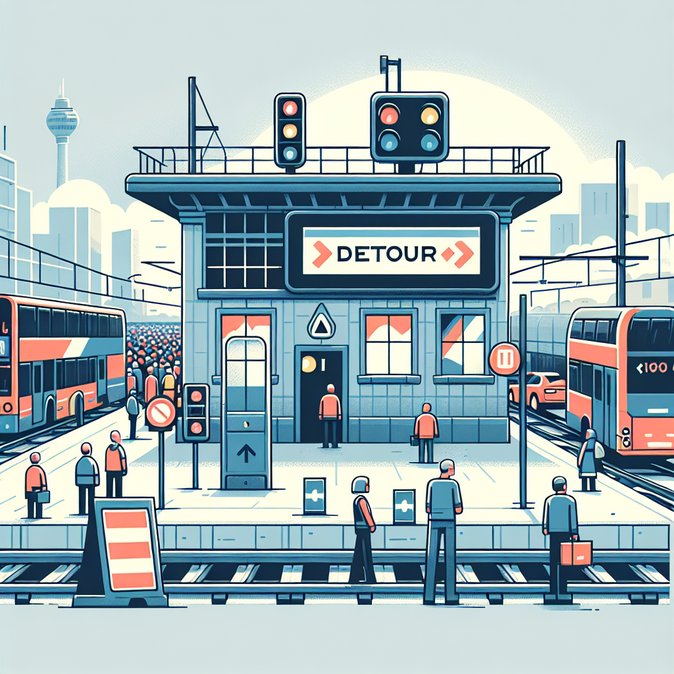
Software glitch forces 10-day closure – and a second closure – of Cologne Central Station
A software defect has derailed Deutsche Bahn’s plan to cut over to a new digital signal box at Cologne Central Station. The hub will still close for 10 days from 14–24 November, but a second full closure is now unavoidable once the fault is fixed, disrupting up to 1,300 daily trains. Business travellers should prepare for detours, longer journey times and overcrowding.

Lufthansa Discover strike extended to Sunday, cancellations mount in Frankfurt and Munich
Pilot and cabin-crew unions have prolonged their strike at Discover Airlines, Lufthansa’s holiday subsidiary, until Sunday. Frankfurt and Munich are already seeing cancellations, and reroutings are pushing up costs and journey times for business travellers heading to leisure destinations or onward long-haul flights.

Border controls boost weapon seizures on Dutch–German frontier, police say
German Federal Police have already recorded 122 weapons offences at the Dutch border this year, topping last year’s total. Officials credit the spike to border controls re-introduced in 2024, warning travellers that prohibited items such as pepper spray or replica guns will trigger heavy fines and delays.

Ryanair abolishes paper boarding passes – digital-only from 12 November
From 12 November Ryanair issues only digital boarding passes in Germany, charging up to €55 for a paper print-out at the airport. Companies must ensure travellers have the app installed and powered; passengers without smartphones risk additional fees or denied boarding.
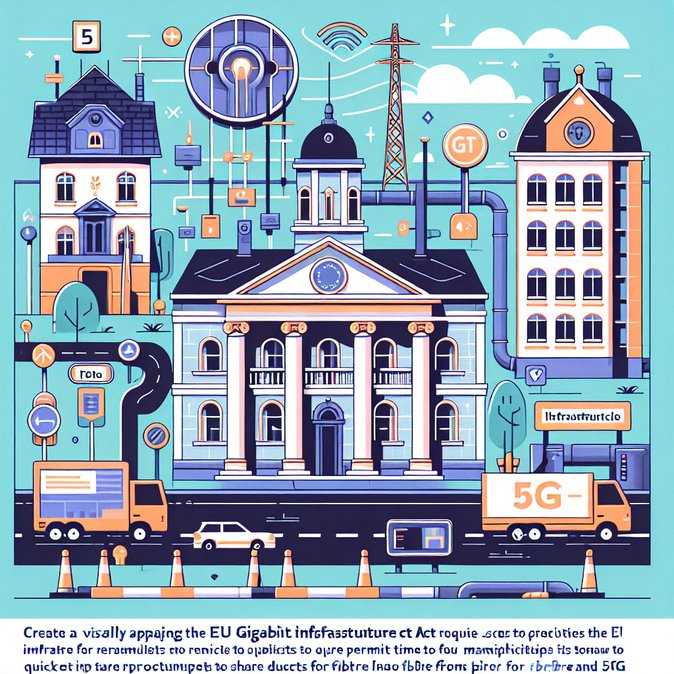
EU Gigabit Infrastructure Act enters into force, paving way for better connectivity in Germany
The EU’s Gigabit Infrastructure Act became law on 12 November, obliging German municipalities to speed up permits and share ducts for fibre and 5G. The rules promise faster, cheaper high-speed internet roll-out—welcome news for expatriates reliant on hybrid work and cloud services.