USCIS Now Demands New $100,000 H-1B Fee in RFEs, Stunning Employers
State Department Tells Consulates to Deny Visas Over Chronic Health Conditions
Government Shutdown Triggers 1,500+ Flight Cancellations as FAA Orders Capacity Cuts
Latest News
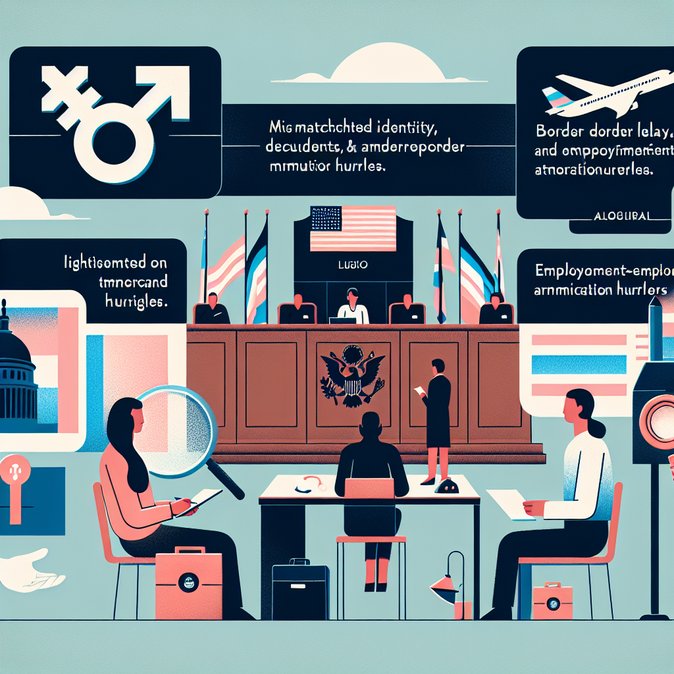
San Francisco Hearing Spotlights Unique Mobility Barriers for Transgender Immigrants
At a November 10 public hearing, San Francisco’s Immigrant Rights Commission examined how mismatched identity documents, border delays, and employment-authorization hurdles uniquely affect transgender immigrants. The session’s recommendations—ranging from legal-aid funding to CBP training—signal emerging best-practice expectations for employers with trans expatriates and assignees.
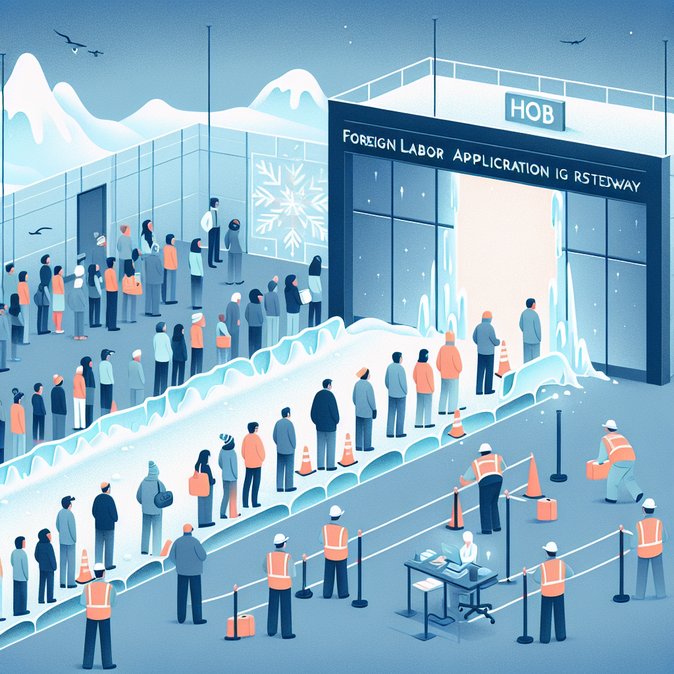
Labor Department reopens FLAG portal, ending month-long freeze on work-visa filings
The Labor Department restored its Foreign Labor Application Gateway on November 8, ending a shutdown-related freeze that had stalled prevailing-wage and labor-certification processing for PERM, H-2 and H-1B cases. Employers can again submit filings but should expect backlogs.
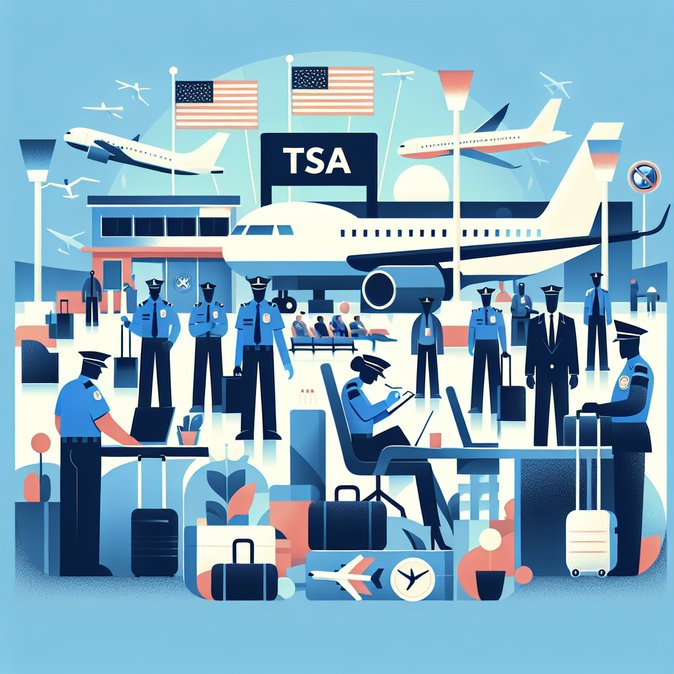
Government shutdown triggers flight cancellations as unpaid TSA staff reach breaking point
With TSA officers unpaid for more than a month, airports are seeing mounting cancellations and delays. A November 8 field report from Indianapolis illustrates the growing strain on business travel and highlights security risks if attrition continues.

Expiration of Venezuelan TPS leaves hundreds of thousands facing deportation
Temporary Protected Status for Venezuelans ended at midnight on November 8, stripping legal status and work permission from roughly 240,000 people. Employers must act quickly to maintain compliance, and affected individuals are scrambling for other immigration options.

New ‘Visa Integrity Fee’ and $100,000 H-1B petition surcharge take effect
A U.S. law effective November 8 adds a US$250 ‘Visa Integrity Fee’ to every non-immigrant visa and slaps a one-time US$100,000 fee on each new H-1B petition. The move dramatically increases mobility costs and could push employers to seek alternative talent strategies.
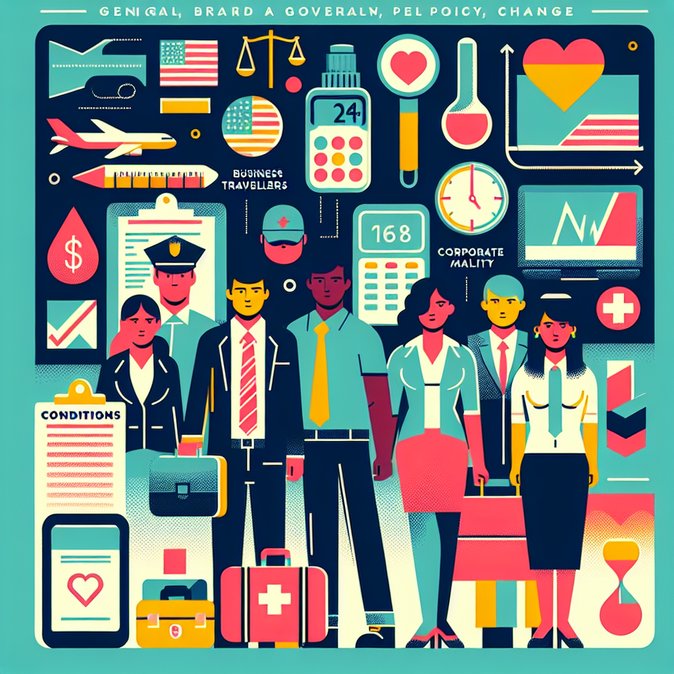
U.S. tightens visa rules: obesity and other chronic health issues now grounds for denial
A new State-Department directive instructs consular officers to deny or delay U.S. visas if an applicant’s chronic health condition—such as obesity, diabetes, or heart disease—could lead to significant public-health costs. The policy applies across immigrant and non-immigrant categories, expanding the long-standing public-charge test and creating immediate compliance headaches for business travelers, students, and corporate mobility teams.
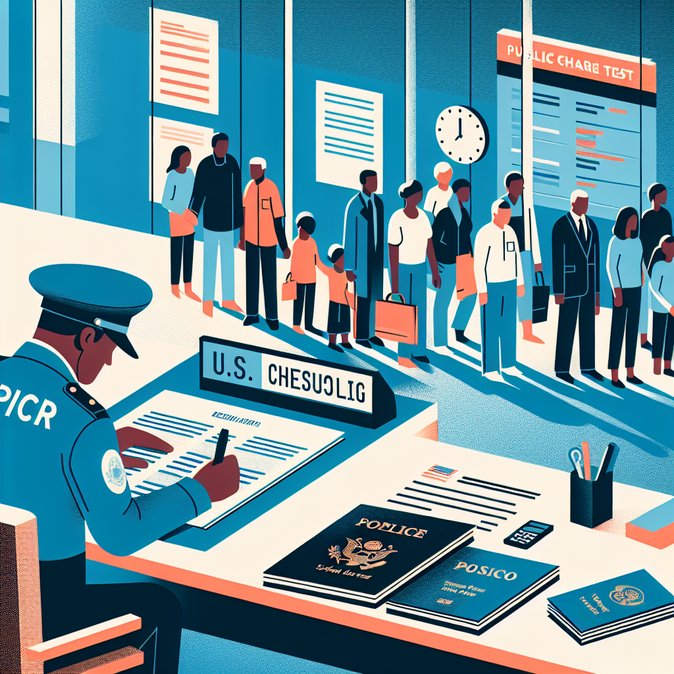
U.S. visa officers told to scrutinize applicants’ health and finances
Effective November 8, 2025, U.S. consular officers must examine whether visa applicants with chronic illnesses have the financial means to pay for treatment in the United States. The expanded "public-charge" test increases documentation burdens and could delay business travel and assignments, especially for older assignees and large family moves.

FAA orders 10 % flight cuts at 40 major U.S. airports as government shutdown drags on
With the U.S. government shutdown now in its sixth week, the FAA has ordered airlines to slash flight schedules by up to 10 % at 40 major airports, triggering thousands of cancellations and delays. Carriers are offering no-penalty rebooking, but corporate mobility teams face higher costs and logistical headaches as peak year-end travel collides with reduced air-traffic-control capacity.

ICE Plans National Call Center in Nashville to Track Unaccompanied Migrant Children
A November 7 procurement notice shows ICE intends to launch a 24/7 call center in Nashville to help law-enforcement agencies locate unaccompanied migrant children. The project, part of a wider enforcement build-out, raises privacy concerns but also signals new technology-driven coordination that employers with public contracts should watch.
USCIS Ends 540-Day Automatic Work-Authorisation Extensions for EAD Renewals
USCIS published an interim rule on Nov 7 eliminating the 540-day automatic extension of Employment Authorisation Documents for renewal filings made on or after Oct 30, 2025. Employers must now ensure EAD renewals are approved before expiry or employees must stop work, raising workforce-planning stakes across multiple industries.

FAA Orders 4 % Flight Reductions at 40 U.S. Airports, Warns 10 % Cut Next Week
Facing severe air-traffic-controller shortages during the government shutdown, the FAA on Nov 7 ordered airlines to cut 4 % of domestic flights at 40 large U.S. airports, with a 10 % cut slated for Nov 14 if funding isn’t restored. The move immediately disrupts business travel, squeezes seat supply ahead of the holidays, and forces companies to re-think itineraries and logistics.

U.S. revokes 80,000 non-immigrant visas in sweeping 2025 crackdown
State Department officials told Reuters they have revoked about 80,000 U.S. non-immigrant visas since January, citing crimes, overstays and even social-media posts. The unprecedented sweep complicates business travel and student mobility, signalling that every existing visa is now subject to continuous vetting.

Government shutdown triggers FAA-ordered flight cuts at 40 U.S. hubs
The FAA ordered airlines to cut up to 10 % of flights at 40 major U.S. airports because thousands of unpaid air-traffic controllers are calling in sick during the ongoing federal shutdown. United, Delta and other carriers began cancellations within hours, disrupting corporate itineraries and threatening supply chains.

Five-hour TSA lines and 6,000 flight delays underscore shutdown’s toll on U.S. air travel
On November 5, TSA checkpoints at major U.S. hubs recorded wait times of up to five hours and roughly 6,000 nationwide flight delays as unpaid security and air-traffic staff stayed home during the government shutdown. The chaos is costing the travel sector $1 billion per week and forcing companies to defer or virtualize business trips.

FAA to cut airline traffic by 10 % at 40 major U.S. airports if shutdown drags on
The FAA says it will begin reducing flight operations by up to 10 % at 40 high-volume U.S. airports starting November 7 if the government shutdown continues. The phased cuts target domestic passenger, cargo, and private flights to relieve unpaid, short-staffed air-traffic controllers. Businesses face significant travel disruption and may need to delay assignments or shift to virtual meetings.
DHS ends Temporary Protected Status for 5,000 South Sudanese, setting 60-day exit clock
The U.S. Department of Homeland Security is cancelling TPS for South Sudan, giving about 5,000 beneficiaries 60 days to leave the country or secure another immigration status. Employers must update I-9s and assess workforce gaps, while legal challenges and humanitarian concerns loom.

Labor Department reopens H-1B and PERM portals after shutdown outage
After a 30-day shutdown-related outage, the Labor Department’s FLAG system reopened on Nov 4, allowing employers to resume filing H-1B LCAs and PERM labor certifications. Backlogged cases are now moving, but residual delays and advertising-window issues remain. Mobility teams should re-file lapsed applications immediately and watch for policy changes to prevent future shutdown disruptions.
Record-long U.S. shutdown forces FAA to plan nationwide flight reductions
On Nov 4 the U.S. shutdown hit day 35, making it the longest in history. Transportation Secretary Sean Duffy said the FAA will slash capacity at 40 major airports starting Nov 7, citing unpaid controller shortages that are already causing hours-long delays. The looming cuts threaten Thanksgiving travel, disrupt expatriate moves and stall airport modernization projects.
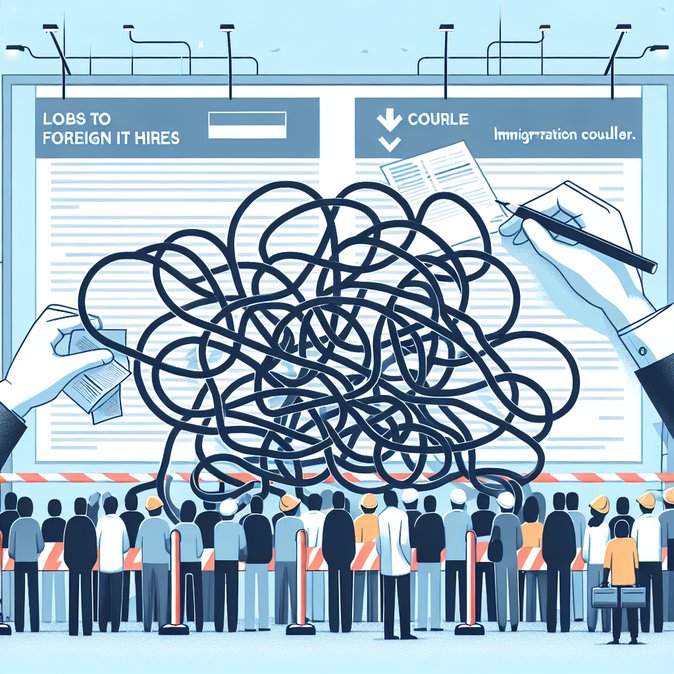
Department of Labor reopens LCA and prevailing-wage systems, allowing H-1B and PERM filings to resume
DOL announced on Nov 3 that the IT systems used for LCAs, prevailing-wage determinations and PERM filings are live again after a shutdown-related outage. Employers can once more file H-1B/E-3 LCAs and PERM cases, but should brace for backlog delays. The restart unlocks stalled foreign-hire start dates and allows immigration counsel to work through a month of pent-up demand.

USCIS ends paper checks: all immigration filing fees must now be paid electronically
Starting Nov 3, USCIS will only accept electronic payments for all filing fees, ending the use of paper checks and money orders. Companies must switch to ACH or credit-card payments; applicants abroad without U.S. banking ties may need workaround strategies. The agency expects faster processing, but employers should audit internal payment workflows immediately.

DHS unveils $2.5 billion plan to collect DNA and other biometrics from all immigration applicants
DHS on November 3 released a proposed rule that would authorize DNA, facial, iris and fingerprint collection from virtually everyone who touches the U.S. immigration system, expanding current biometric screening from 26 forms to all benefit requests and some enforcement actions. The 10-year price tag is pegged at $2.5 billion and more than three million people a year would be affected. Employers should prepare for longer case timelines and possible privacy pushback.