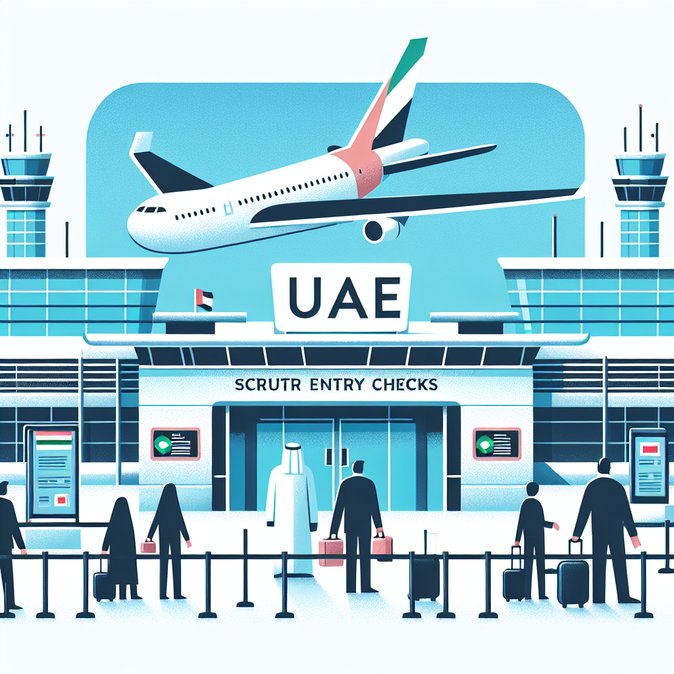
Multiple European tour operators report that Dubai and Abu Dhabi immigration desks have begun subjecting passport holders from Poland, Italy, Sweden, Ireland, Germany, France, Hungary and more than 30 other countries to extra screening despite the countries’ formal eligibility for a 30-day visa on arrival.
Travellers describe being asked for hotel bookings, proof of funds and onward tickets; a minority have been denied boarding when they could not produce the paperwork. Although no Cabinet Resolution has amended the underlying visa-waiver list, airlines face fines for transporting inadmissible passengers and have therefore tightened documentation checks at European departure airports.
Officials link the move to a shift towards risk-based border management and reciprocity: Europe is rolling out the Entry/Exit System and ETIAS, and the UAE wants similar advance vetting. The policy also dovetails with efforts to curb overstays and illegal work, a problem that surged during the post-pandemic tourism boom.
![UAE Quietly Tightens Visa-on-Arrival Checks for 40+ European States—Poland Now on the List]()
At this juncture, travelers and corporate travel managers might consider outsourcing the paperwork: VisaHQ’s UAE portal (https://www.visahq.com/united-arab-emirates/) streamlines the application for 60-day e-visas and other permits, offers real-time status tracking, and pre-screens supporting documents so that last-minute surprises at the gate are minimized.
For European multinationals sending staff into the Gulf, the new reality is clear: rely less on spontaneous travel. HR should update pre-trip checklists to include accommodation confirmations and health insurance proof. Frequent flyers may find it safer to obtain a 60-day e-visa in advance; processing times via the Federal Authority for Identity, Citizenship, Customs and Port Security (ICP) average 48 hours.
Travel insurers meanwhile anticipate a small uptick in claims for missed meetings and unused hotel nights—costs that previously fell below policy excess thresholds when visa on arrival was hassle-free.
Travellers describe being asked for hotel bookings, proof of funds and onward tickets; a minority have been denied boarding when they could not produce the paperwork. Although no Cabinet Resolution has amended the underlying visa-waiver list, airlines face fines for transporting inadmissible passengers and have therefore tightened documentation checks at European departure airports.
Officials link the move to a shift towards risk-based border management and reciprocity: Europe is rolling out the Entry/Exit System and ETIAS, and the UAE wants similar advance vetting. The policy also dovetails with efforts to curb overstays and illegal work, a problem that surged during the post-pandemic tourism boom.

At this juncture, travelers and corporate travel managers might consider outsourcing the paperwork: VisaHQ’s UAE portal (https://www.visahq.com/united-arab-emirates/) streamlines the application for 60-day e-visas and other permits, offers real-time status tracking, and pre-screens supporting documents so that last-minute surprises at the gate are minimized.
For European multinationals sending staff into the Gulf, the new reality is clear: rely less on spontaneous travel. HR should update pre-trip checklists to include accommodation confirmations and health insurance proof. Frequent flyers may find it safer to obtain a 60-day e-visa in advance; processing times via the Federal Authority for Identity, Citizenship, Customs and Port Security (ICP) average 48 hours.
Travel insurers meanwhile anticipate a small uptick in claims for missed meetings and unused hotel nights—costs that previously fell below policy excess thresholds when visa on arrival was hassle-free.